Nearly a year after Republicans muscled President Trump's signature tax cut package through Congress, Democrats are turning the law into a potent campaign weapon in the battle for Senate control. The One Big Beautiful Bill Act—officially H.R. 1—has become a central attack line in the most competitive races, with Democratic candidates linking their GOP opponents to cuts in Medicaid and food assistance that have left hundreds of thousands of constituents without coverage or benefits.
The bill, passed along party lines in 2024, was the centerpiece of the Republican trifecta's first year. It slashed taxes for corporations and high earners while offsetting costs by tightening eligibility for Medicaid and the Supplemental Nutrition Assistance Program (SNAP). At the time, even some Republicans warned of political fallout from the projected loss of benefits for vulnerable Americans. But the party ultimately united, touting the tax cuts as a win for working families—a message that has since struggled to gain traction.
Now, with Election Day months away, Democratic candidates and the party's campaign arm are blanketing swing states with ads and direct mail that quantify the local impact. In Alaska, state Democrats launched a flyer campaign in grocery stores urging customers to "Send Dan Sullivan Your Receipts"—a reference to the incumbent Republican senator's vote for the bill's food assistance changes. The flyers link to a survey on rising grocery costs, a pocketbook issue Sullivan's campaign has tried to counter by highlighting the bill's elimination of taxes on tips and new deductions for seniors and small businesses.
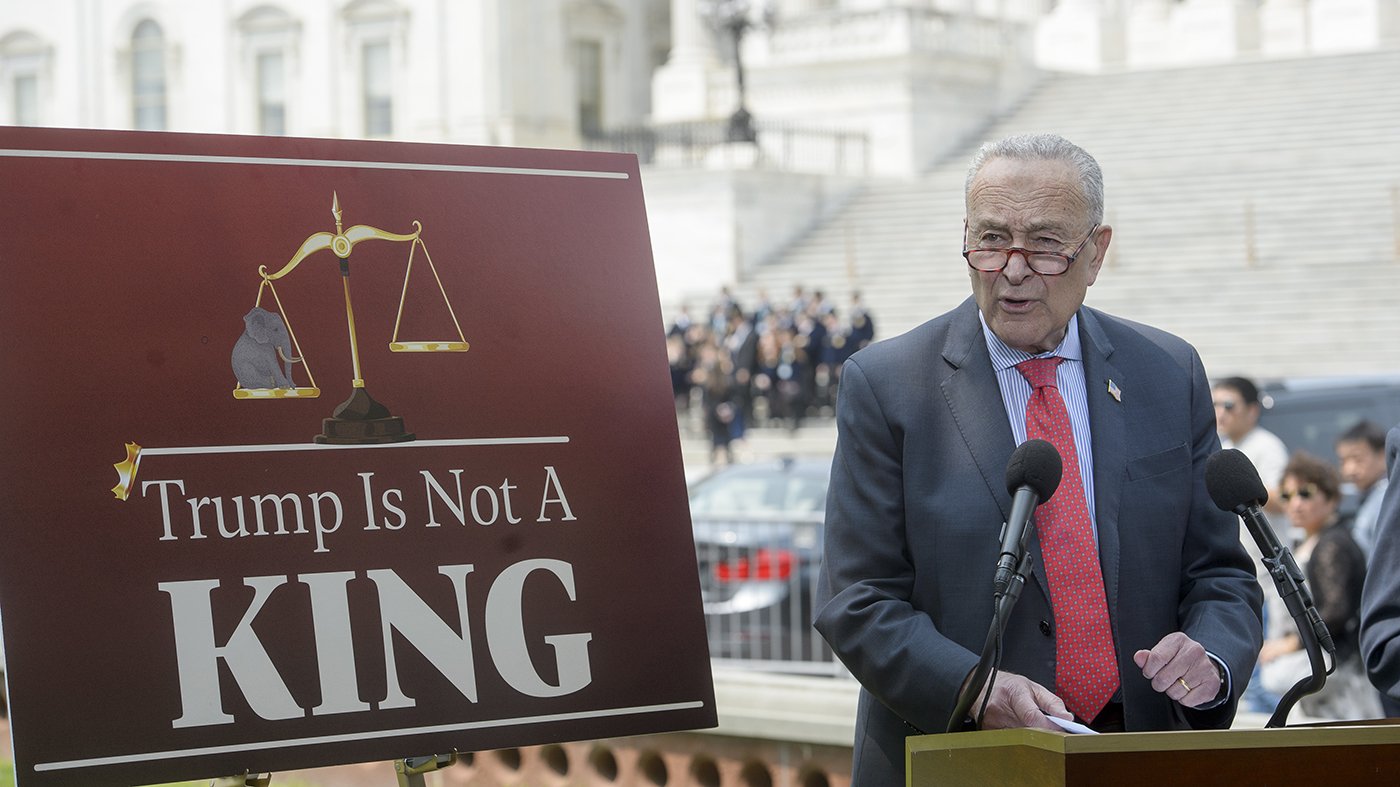
In Michigan, Democratic lawmakers held a press conference on the anniversary of H.R. 1's passage to slam former Rep. Mike Rogers, the GOP Senate candidate, for his support. "Across the country, Americans are living with higher costs, less health care, and looming threats of hospital closures because Senate Republicans sold them out by slashing health care to fund tax giveaways to billionaires," said Maeve Coyle, a spokesperson for the Democratic Senatorial Campaign Committee, in a statement.
Iowa state Rep. Josh Turek, a Democrat running for an open House seat, has held roundtables on Medicaid cuts attributed to his Republican opponent, Rep. Ashley Hinson. In a April TV ad, Turek says: "Working families are losing their healthcare because of Trump's Medicaid cuts." Similarly, Sen. Jon Ossoff of Georgia, a top GOP target, has repeatedly accused his Republican rivals—including now-nominee Rep. Mike Collins—of owning the fallout. "They doubled health insurance premiums for more than a million Georgians and threw 300,000 Georgians off their insurance altogether," Ossoff said at a recent rally, adding, "I never want to hear these two pretend they give a damn about working people again."
The Democratic offensive appears to be drowning out Republican messaging. A Washington Post analysis found that Democrats mentioned H.R. 1 far more often than Republicans in June—52 Democrats versus just 25 Republicans. GOP social media posts touting the bill's anniversary have been sparse, though some incumbents have pushed back. Sen. Dan Sullivan of Alaska, trailing in recent polls, posted a video calling the measure the "Alaska Opportunity Act," citing economic growth and tax relief. Sen. Jon Husted of Ohio, another Democratic target, released a similar clip featuring business owners praising the law.
Republicans insist the tax cuts will still be a midterm selling point. But the Democratic focus on lost healthcare and food aid—issues that resonate in states where hospital closures and benefit reductions are tangible—has forced GOP candidates into a defensive posture. The battle over H.R. 1 underscores how a bill designed as a Republican victory lap has become a liability on the campaign trail, with Democrats betting that voters will punish those who backed it.