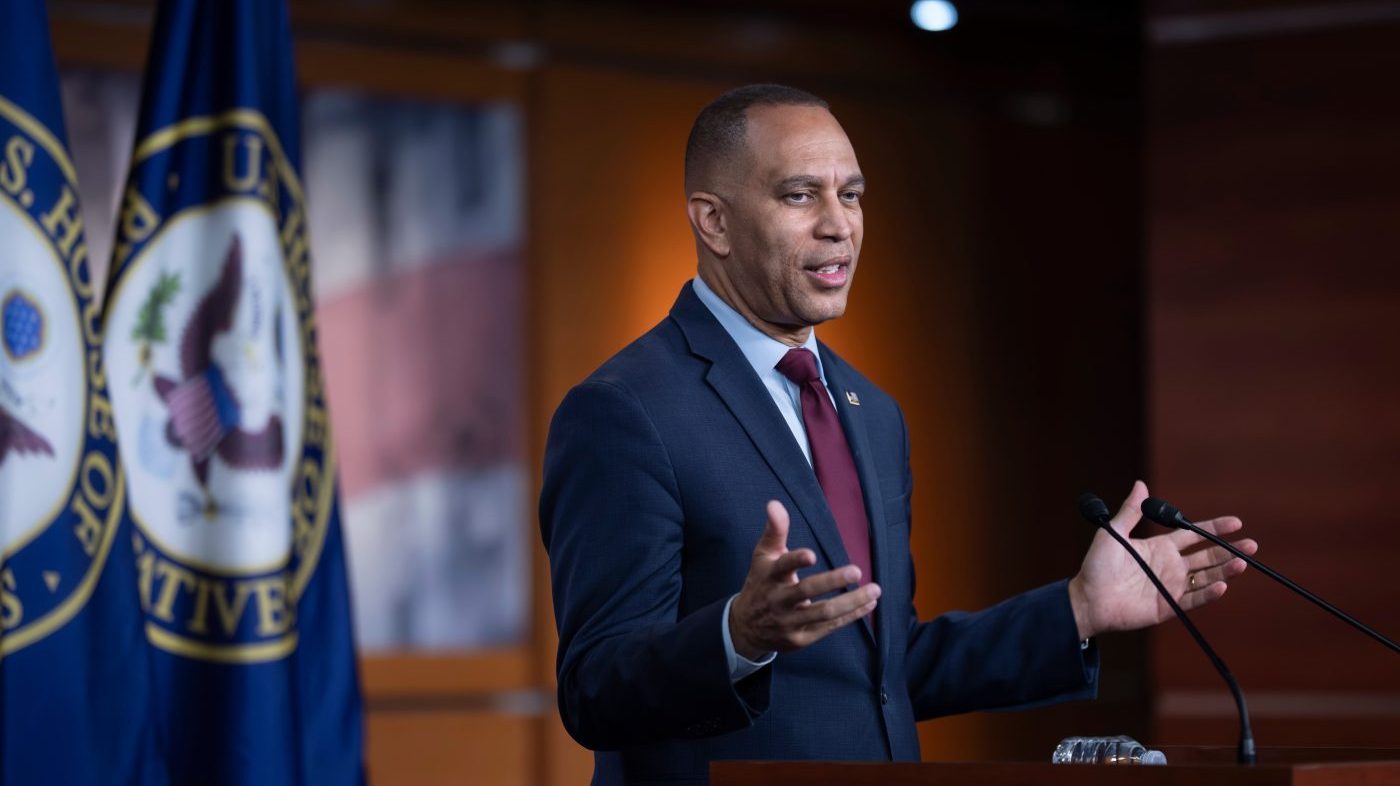
Democrats have secured a majority in the U.S. House of Representatives, ending four years of Republican control and ushering in a new era of divided government, according to projections from Decision Desk HQ.
The shift, confirmed by Tuesday's election results, will immediately reshape Washington's power dynamics. It will stall President Trump's legislative priorities and set the stage for confrontations over immigration, federal spending, tariffs, and the ongoing conflict with Iran.
Investigations and Accountability
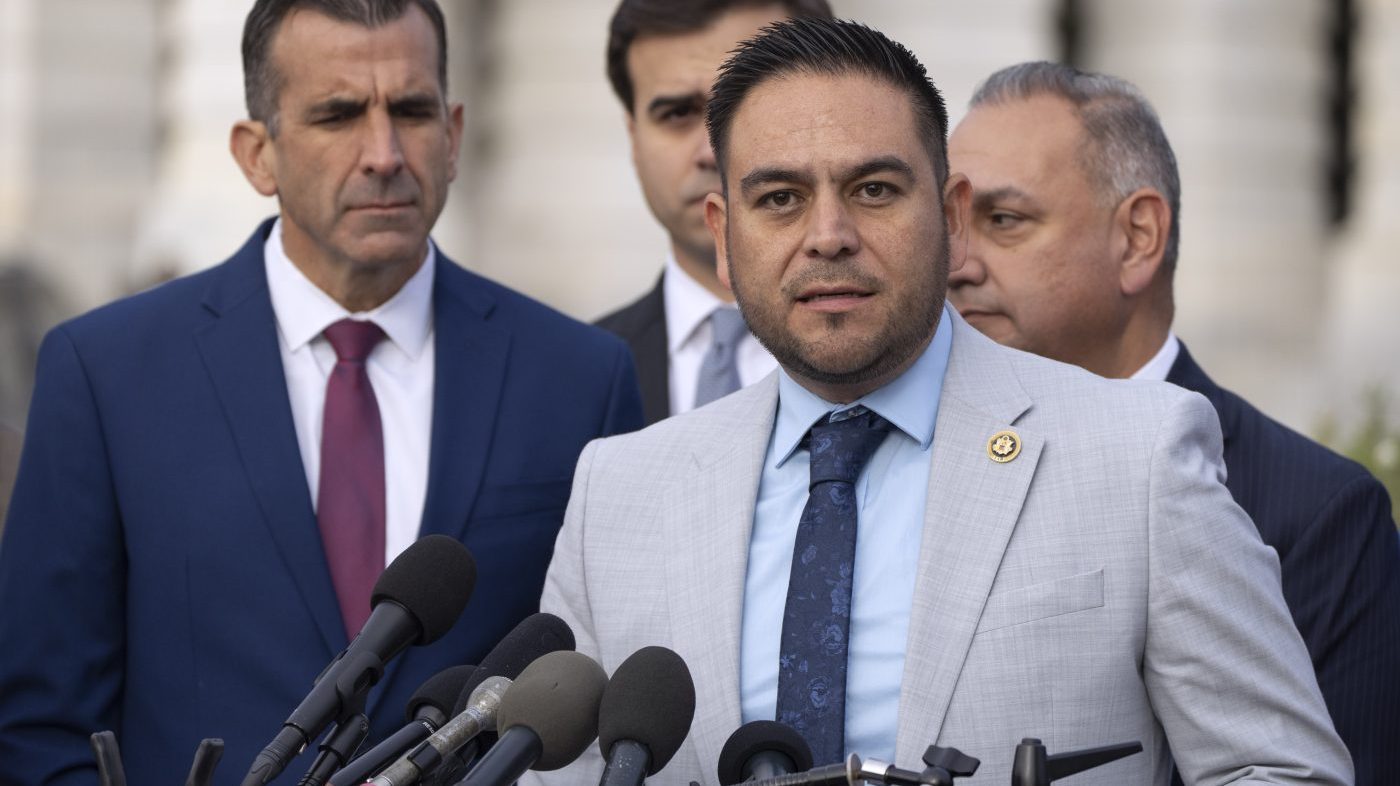
Democratic leaders have pledged to launch a sweeping array of investigations into the Trump administration, including his personal finances, the handling of the Jeffrey Epstein case, and the violence linked to the administration's deportation policies. House Minority Leader Hakeem Jeffries (D-N.Y.), expected to become Speaker, has promised action from day one.
“Our promise to the country in the new Congress is that, beginning on Day 1, we're going to hold the crooks accountable,” Jeffries said before the election.
While some probes have already started, the new majority will grant Democrats subpoena power and control over committee agendas, allowing them to escalate their oversight. Cabinet officials and Trump family members are likely to face intense scrutiny.
Legislative Agenda
Democrats are also preparing an aggressive policy agenda focused on lowering costs for consumers—from groceries and gas to housing and healthcare. Early priorities include restoring expired ObamaCare subsidies and reversing Republican Medicaid cuts. These bills are unlikely to become law, given Trump's veto power, but they will force vulnerable Republicans to take tough votes and give Democrats a record to run on in 2028.
The midterm environment was challenging for the GOP, with economic volatility, an unpopular war, and high living costs dragging down Trump's approval ratings. Even some Republican-leaning districts proved competitive. Efforts by Trump allies to redraw maps in GOP favor helped pick up a few seats but were insufficient to stem the tide.
Jeffries' ascension will make history as he becomes the first Black Speaker of the House. His leadership team is expected to remain intact, with Katherine Clark as majority leader and Pete Aguilar as whip.
Below them, contests for lower leadership posts will shape the party's messaging heading into 2028. Jeffries will need to balance the demands of progressives and moderates within his caucus.
Republicans, now in the minority, face their own leadership battles. Speaker Mike Johnson has expressed interest in staying on as leader, while Steve Scalise and Jim Jordan are expected to compete for the minority leader role.
In the lame-duck session, Republicans are racing to pass key legislation, including the National Defense Authorization Act and a must-pass government funding bill to avoid a shutdown in December. Some also want to push through a reconciliation package, but the mood after Tuesday's losses may dampen enthusiasm for extended work in Washington.