Democrats have officially retaken control of the U.S. House of Representatives, according to Decision Desk HQ projections, ending four years of Republican rule and ushering in a new era of divided government in Washington. The shift will have immediate consequences for the nation's capital, effectively stalling President Trump's legislative priorities and setting the stage for frequent confrontations between the House and the White House on issues ranging from immigration enforcement and federal spending to global tariffs and the ongoing Iran conflict.
Investigations and Agenda
House Democrats have pledged to launch a sweeping series of investigations into the Trump administration, including probes into the Jeffrey Epstein scandal, the violence surrounding Trump's deportation surge, and the president's personal and family finances, which have expanded significantly since his return to office last year. House Minority Leader Hakeem Jeffries (D-N.Y.), who is poised to become the next Speaker, has vowed to begin these inquiries immediately.
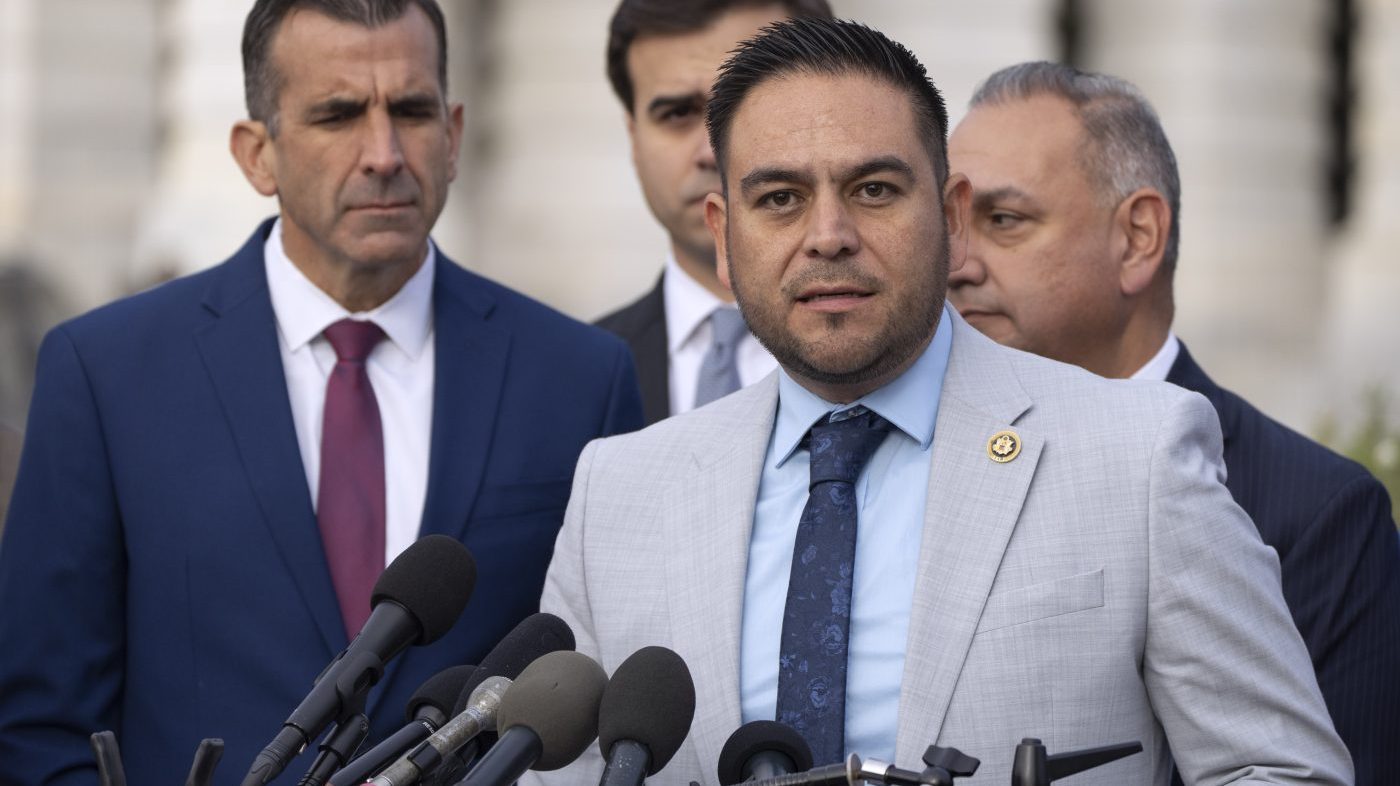
“Our promise to the country in the new Congress is that, beginning on Day 1, we’re going to hold the crooks accountable,” Jeffries said in the run-up to the elections. Democrats have already initiated some of these investigations in the current Congress, but with the majority, they will gain broader powers, including control of the floor agenda, committee hearings, and the ability to issue subpoenas for documents and testimony. Trump's Cabinet members and family are expected to be prime targets.
On the legislative front, Democrats are preparing an aggressive agenda focused on lowering consumer costs for groceries, gas, housing, and healthcare. Early priorities include restoring ObamaCare subsidies that expired in January and reversing Medicaid cuts enacted by Republicans last year. While these bills are unlikely to become law—given Trump's veto power—they could force vulnerable Republican lawmakers into tough votes and provide Democrats with a policy record heading into the 2028 elections.
Why Democrats Won
The shift in power was not unexpected. Midterm elections historically favor the party out of power, and this cycle was exacerbated by economic volatility, an unpopular war in Iran, and the high cost of living that has dogged Trump's second term. Trump's approval ratings were at historic lows heading into Election Day, creating challenges for GOP candidates even in districts he won decisively two years ago.
Republicans had attempted to bolster their majority by pushing GOP-led states to redraw district maps in their favor, but that effort only yielded a few additional seats. It was not enough to withstand the wave of voter discontent that treated the midterms as a referendum on Trump and a chance to check his executive authority.
Leadership and Internal Dynamics
Jeffries' ascension to Speaker will make history as the first Black Speaker of the House, with the vote scheduled for January 3. His leadership team is expected to remain largely intact: Rep. Katherine Clark (D-Mass.) is likely to become Majority Leader, and Rep. Pete Aguilar (D-Calif.) is expected to take over as Whip. Below them, contested races for lower leadership posts, such as caucus chair and vice chair, will shape the party's messaging ahead of 2028.
Jeffries faces a delicate balancing act between progressive and socialist members demanding a more aggressive stance against the administration and moderate members from competitive districts wary of moving too far left. Meanwhile, Republicans are forced to reassess their leadership in the minority. Speaker Mike Johnson (R-La.) has indicated he wants to remain as party leader, while House Majority Leader Steve Scalise (R-La.) and Judiciary Committee Chair Jim Jordan (R-Ohio) are expected to compete for the minority leader role.
The coming weeks will be critical for Republicans as they rush to advance as much of Trump's agenda as possible before Democrats take over. Key items include the National Defense Authorization Act, reauthorization of food and agricultural programs, and legislation to fund the government and avoid a shutdown in mid-December. Some Republicans are also pushing for a third reconciliation bill, a partisan package that would bypass Democratic support, though it remains unclear if there is appetite to stay in Washington after Tuesday's losses.
In related races, Democrats also flipped the Georgia governor's mansion, and Florida's 22nd District went blue in a key toss-up. These victories, along with the House majority, signal a broader rejection of Trumpism at the ballot box.