Public fury over the rapid expansion of data centers is boiling over into the midterm campaign trail, prompting candidates in key battleground states to scramble for political cover. Both Democrats and Republicans are now racing to position themselves as tough on the industry, accusing rivals of cozying up to tech giants as voters grow increasingly hostile to the AI-driven buildout.
In Pennsylvania, Governor Josh Shapiro—who once celebrated a massive Amazon investment in the state—signed an executive order Tuesday imposing new requirements on developers. The order mandates that data center operators cover electricity costs and secure local approval before breaking ground. Shapiro's shift comes as his Republican challenger, Stacy Garrity, hammers him over his earlier support for the Amazon projects, with one campaign ad alleging, "Shapiro sold us out."

Shapiro fired back in his own ad, branding Garrity "Pennsylvania's number one fan of data centers," a charge her campaign disputes. Garrity, who previously advocated for attracting more data centers, now calls for a "pause" on future development. Her media consultant, Matt Beynon, dismissed Shapiro's order as too little, too late: "The horses are out of the barn." Shapiro's camp returned fire, with spokesperson Manuel Bonder saying Garrity's "long record of supporting completely unregulated data center development" shows she can't be trusted.
The governor's order also bars current and future data center projects from a fast-track permitting program, a response to what his office calls an "unacceptable number of speculative proposals." Shapiro acknowledged the public outcry, stating, "I've heard loud and clear from the people of Pennsylvania... we will not be bullied by developers and bulldozed by the lawyers working for these big tech companies."
In Michigan, Republican Senate candidate Mike Rogers announced Thursday his support for a one-year moratorium on new data centers at the state level, though he would have no formal authority as a U.S. senator. "I am calling for a one-year moratorium until we establish a fair, transparent approval process that puts local communities first," Rogers said. He criticized his Democratic opponent, Abdul El-Sayed, for wanting to federalize the issue, arguing, "The people who need to make these decisions live in these communities." El-Sayed's campaign countered that Rogers has a "long track record" of siding with corporate interests.
In Ohio, former Senator Sherrod Brown is attacking incumbent Republican Senator Jon Husted over his data center record. An internal memo from the National Republican Senatorial Committee reportedly warns that "data centers are the anchor hanging around Husted's neck," signaling the issue's toxicity in the Buckeye State. The NRSC memo has drawn criticism from some Republicans, including former Arkansas Governor Asa Hutchinson, who called it alarmist.
The backlash is not confined to the Rust Belt. A Fox News poll from late July found 70% of voters oppose building a data center in their area to support AI, and 78% support slowing construction to address environmental and community concerns. Progressive groups like the Sunrise Movement say the issue is cutting across party lines. Executive director Aru Shiney-Ajay told The Hill that voters in Michigan and Wisconsin "are flipping their party affiliation because of the importance of data centers."
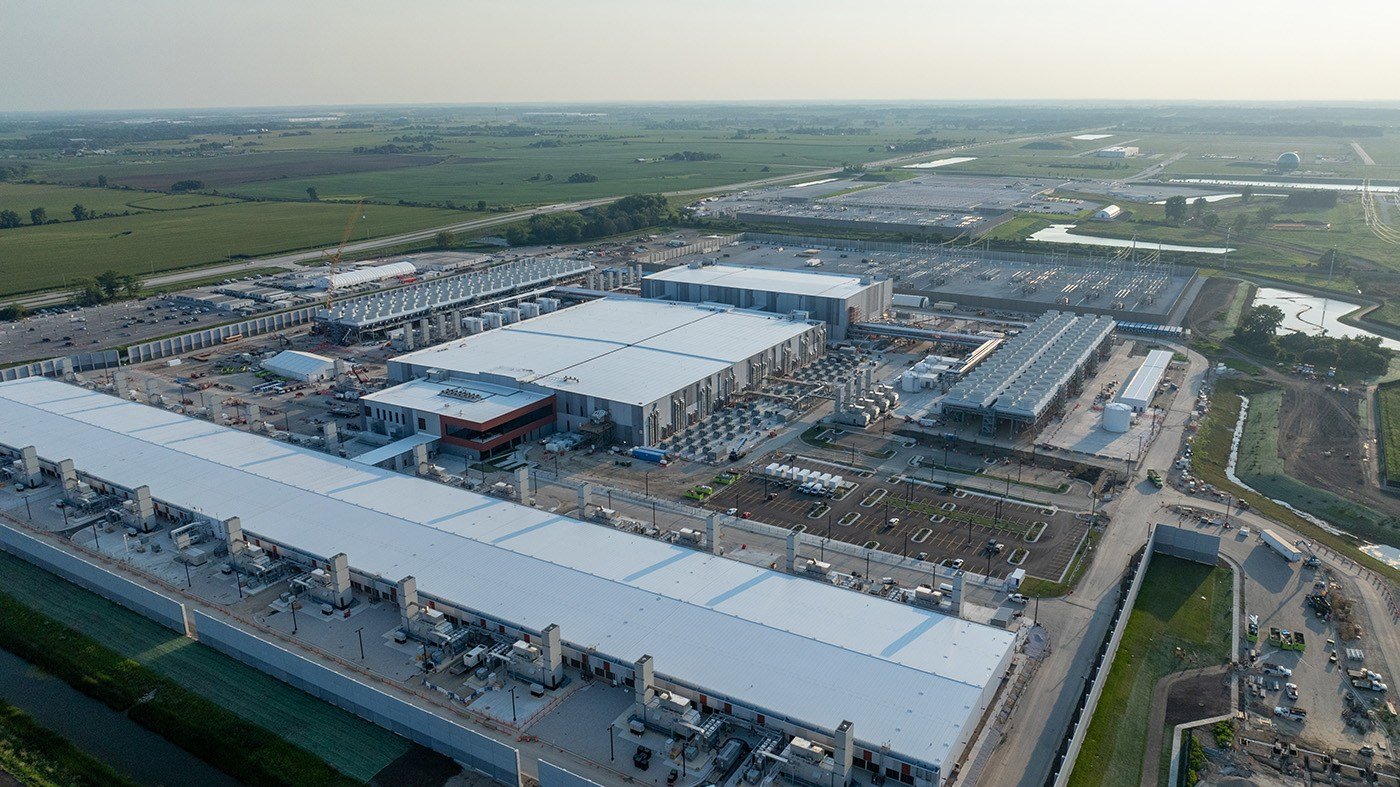
Tech companies are pushing to build dozens of new facilities to power AI, which demands immense computing resources. But concerns over electricity costs, water usage, and environmental damage have soured public opinion. The political calculus has shifted dramatically for officials who once courted the industry. Shapiro, for instance, had welcomed Amazon's $20 billion investment last year, calling AI "yet another national security issue that Pennsylvania can lead on." His office even offered Amazon "exclusive early access" to a fast-track program, as reported by Heatmap.
Now, Shapiro's order requires developers to sign consent orders committing to comply with state restrictions, including covering electricity costs and obtaining local approval. The move is seen as an attempt to preempt further political damage in a state where the race remains tight. Meanwhile, Rogers's moratorium proposal and Brown's attacks on Husted underscore how data centers have become a litmus test for candidates seeking to prove their populist credentials.
As the midterms approach, the data center debate is likely to intensify. Candidates are walking a tightrope between courting tech investment and heeding voter anger. The outcome could hinge on whether they can convince constituents they are truly on their side, not the side of big tech.