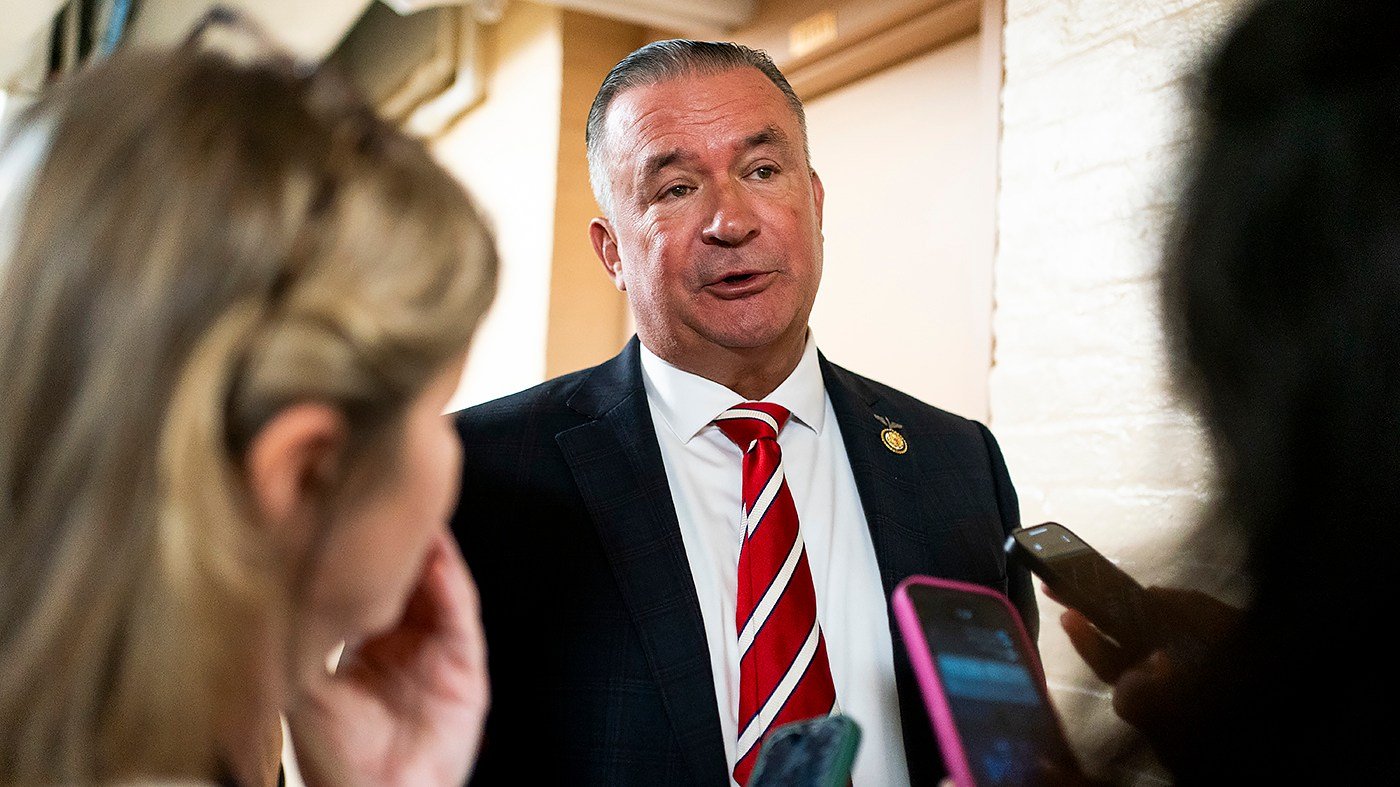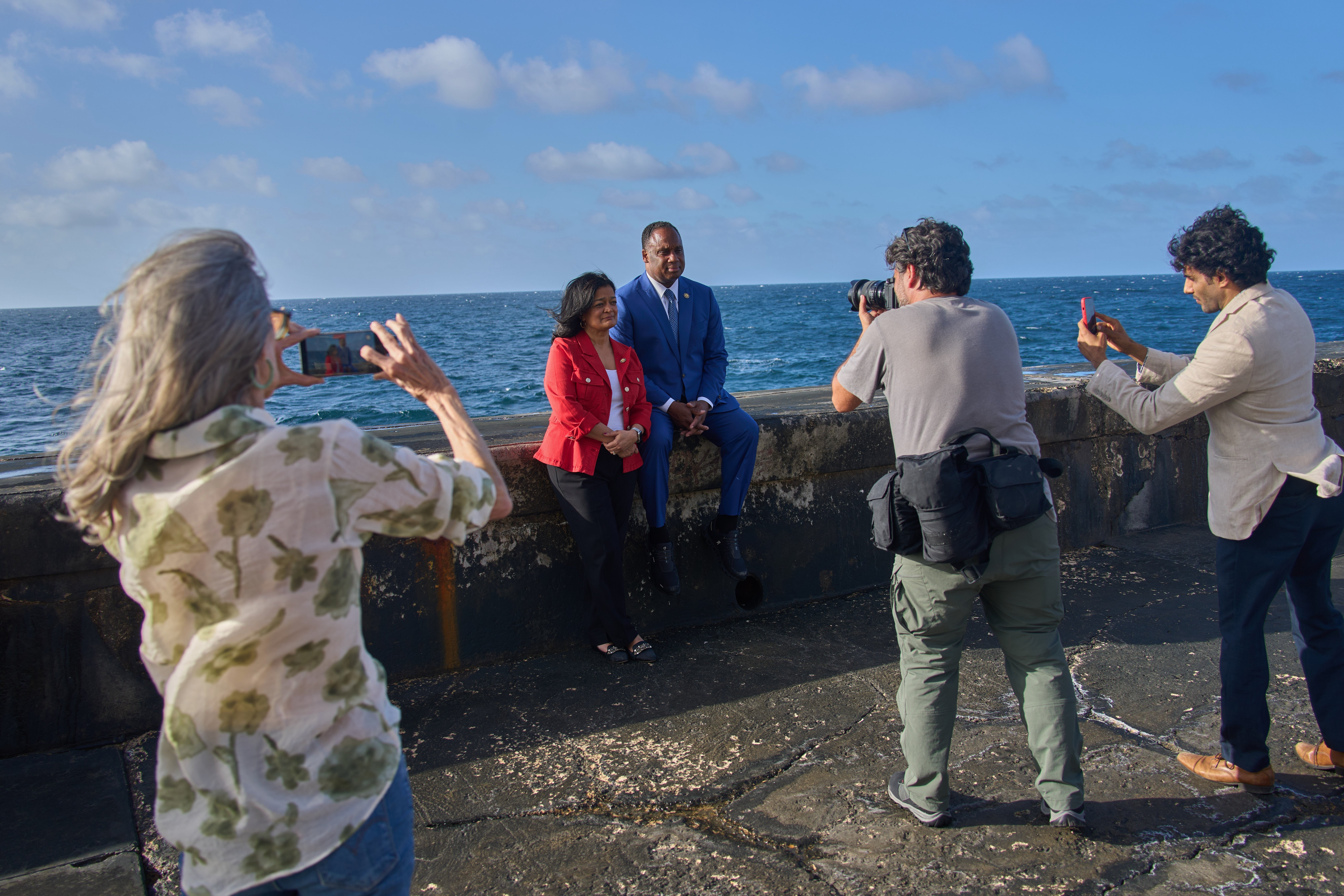
When Democratic Representatives Pramila Jayapal of Washington and Jonathan Jackson of Illinois returned from Cuba earlier this month calling for a reduction in U.S. “rhetoric” and a reevaluation of sanctions, they presented their journey as a humanitarian fact-finding mission. But what they brought back was largely the Cuban government’s carefully crafted self-portrait.
There is no denying that recent U.S. policy has worsened an already dire situation. Tighter sanctions, especially on oil shipments, have strained Cuba’s fragile energy sector, leading to blackouts and shortages that ripple through daily life. Any honest assessment must acknowledge that.
However, stopping there means adopting Havana’s preferred story: that Cuba’s suffering stems mainly from external pressure, not from a political system that has long prioritized control over competence and repression over reform. That narrative was on full display during the lawmakers’ visit. Jayapal and Jackson spoke movingly about material hardships and urged a less punitive U.S. approach. Their concern for ordinary Cubans is understandable, but concern is not the same as clarity. A visit that focuses on scarcity without fully confronting the political system that manages, distributes, and often weaponizes scarcity risks reinforcing the very story the regime wants foreign visitors to take home.
Faced with a government that imprisons dissenters, restricts expression, and maintains centralized control that stifles production and distribution, these lawmakers chose not to interrogate power but to echo it. In doing so, they functioned less as observers than as amplifiers—or, to use an older term, as “useful idiots” in a puppet theater that serves the interests of the regime they claim to approach with humanitarian concern.
The Cuban regime has long understood the value of curated encounters with foreign sympathizers. It offers access, proximity, and the quiet prestige of being received—a carefully managed glimpse that reinforces its talking points while muting dissenting voices. What it does not offer is unmediated reality. Too often, those who accept the invitation fail to look beyond what is shown. As international support for the regime erodes, such visits become even more critical for Havana to maintain its narrative.
During my early visits to Cuba, I moved in circles close to the island’s political elite. I spent time around Mariela Castro and Gerardo Hernández, one of the Cuban Five, as well as cultural figures whose prominence depends on not straying far from the official script. I was given not just a Potemkin glimpse but a front-row seat to a carefully staged production of revolutionary Cuba. I know how persuasive that script can be because I once believed parts of it myself.
Then I stepped outside of it. What I found was not merely poverty—which can have many causes—but a system where deprivation and dependency were inseparable from political control. Access, privilege, and relief were tied to proximity to power. Ordinary people were left to improvise survival amid shortages that had long become structural. During later visits, I walked the streets of Habana Vieja and Centro Habana, spoke with ordinary Cubans, and entered tenements to see the decay, deprivation, and quiet despair that official narratives work hard to obscure. The romantic lens through which many foreign sympathizers still view the Cuban state did not survive contact with reality.
That reality remains grim. Independent journalists, artists, and activists continue to describe surveillance, arbitrary detention, and severe limits on expression. Recent imprisonments for minor acts of dissent underscore how determined the government is to police speech and public life. None of this requires minimizing the damage U.S. sanctions can inflict. One can oppose policies that deepen human suffering while also holding the Cuban government accountable for the conditions its citizens endure. Intellectual honesty demands both.
What is harder to defend is the posture of those who, in the name of solidarity, collapse that distinction entirely. When U.S. lawmakers or activists attribute Cuba’s crisis primarily to Washington, they risk absolving the very system that has produced and prolonged that crisis. Democratic members of Congress—no matter how progressive—should resist the temptation to mistake curated access for truth. A humane Cuba policy must reckon with both the harm sanctions can cause and the central role the current regime plays in producing the suffering it so skillfully markets abroad.
George Henson, Ph.D., is visiting assistant professor of Spanish translation at the Middlebury Institute of International Studies at Monterey.