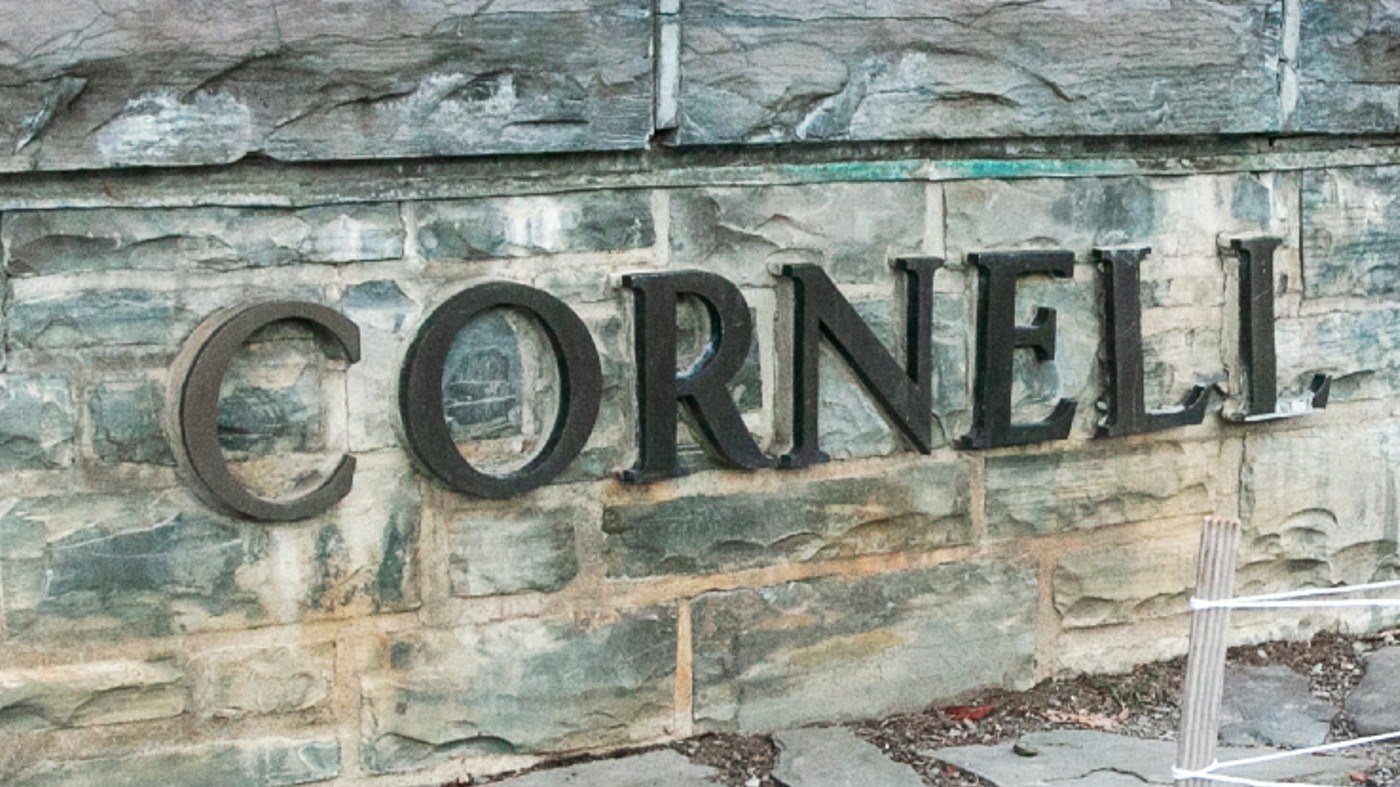
Cornell University is refusing to release a six-page report compiled during its investigation into an alleged gang rape at a fraternity party, a decision that has intensified scrutiny of the university's handling of the case and prompted the local district attorney to reopen the probe.
A university spokesperson told NewsNation that the campus police shared a lengthy investigative file with the Tompkins County District Attorney's Office, but deferred all questions about the report to that office. The statement did not address why the university itself would not make the document public.
The case centers on a woman identified only as Jane Doe, who has sued seven former members of the Chi Phi fraternity, alleging she was drugged with ketamine at a party and sexually assaulted by multiple men. A transcript of her interview with campus police, obtained by CBS News, reportedly shows her stating she was “100% certain” she had been raped.
District Attorney Matthew Van Houten has said his office initially declined to pursue charges because the sworn statement provided by Cornell lacked elements necessary to establish a crime. He noted that the allegations in the civil lawsuit are “dramatically different” from what was originally presented. Van Houten also revealed that his office was never given the transcript of the victim's interview with police, which he said he would follow up on.
The case has drawn political attention. Governor Kathy Hochul has called for an outside investigation into Cornell's actions, and Representative Elissa Slotkin has criticized the university for what she calls delayed accountability. Meanwhile, Senator Chuck Schumer has demanded an independent review of the case.
The DA's office has now reopened the investigation, and Snapchat messages from fraternity members are expected to play a central role. These messages were not provided to the DA at the time of the initial review, and prosecutors are now examining them as part of the renewed probe.
Legal experts say the university's refusal to release the report could further erode public trust in its handling of sexual assault cases. Cornell has faced criticism for its internal processes, and the decision to withhold the report may complicate the DA's efforts to gather all relevant evidence.
The university has not commented on the specific contents of the report, but has maintained that it cooperated with law enforcement. The DA's office has not indicated when the reopened investigation might conclude or whether charges are likely.
As the case unfolds, the political pressure on Cornell is mounting. Lawmakers are demanding transparency, and the university's next steps will be closely watched by advocates for sexual assault survivors and by the broader academic community.