Washington's spending problem is no secret, yet few in Congress are willing to confront it. The addiction to taxpayer dollars is a bipartisan ailment, with Republicans and Democrats sharing the blame. While Republicans once at least paid lip service to fiscal restraint, that pretense has faded in the Trump era.
Election-year spending spree
If the GOP retains control of both chambers after the midterms, the addiction could worsen. President Trump has proposed a $5,000 payment to every adult, already announced $90 one-time checks for 20.8 million Medicare enrollees, and has sent $500 'refund' checks to 950,000 people who bought unsubsidized Obamacare plans through the federal exchange.
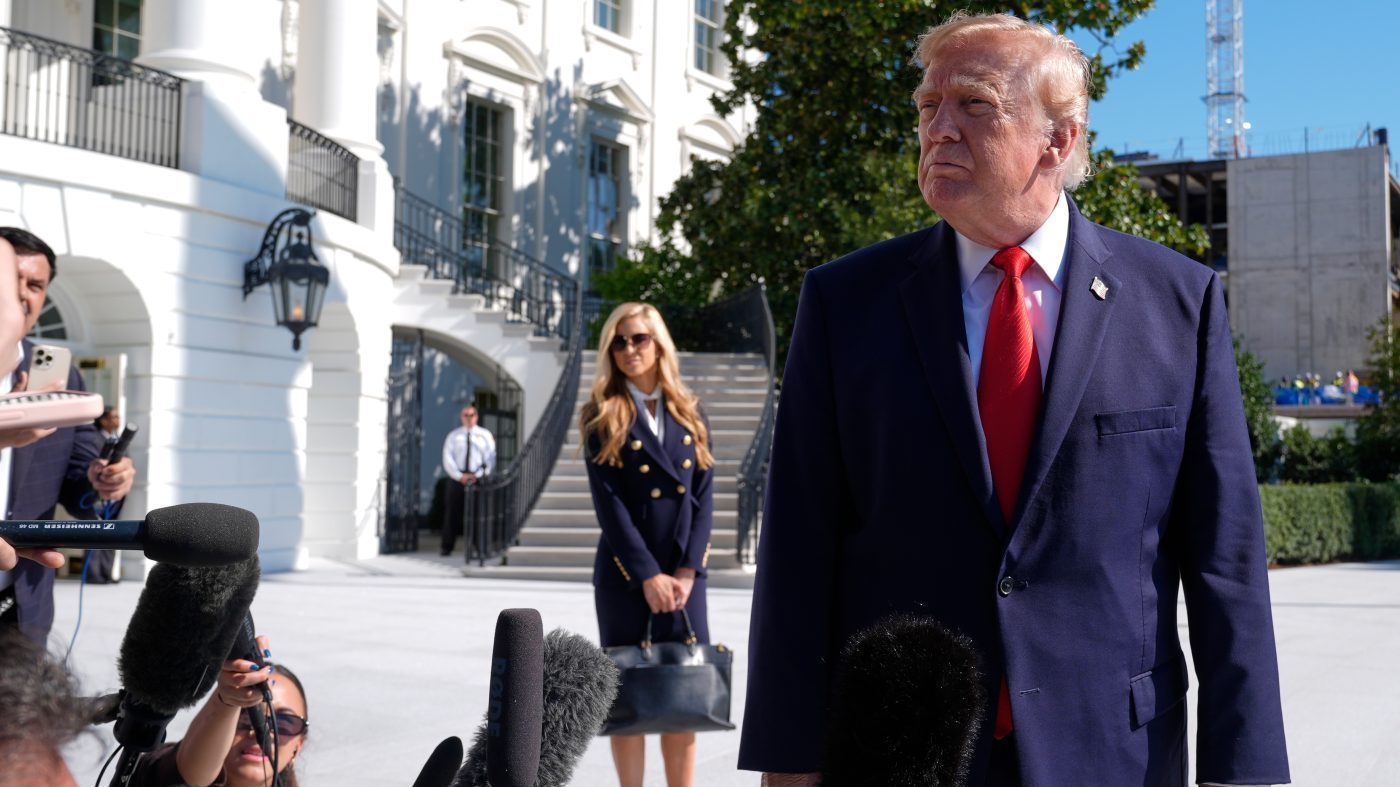
Some Republicans have objected to the $5,000 handout, but there's little sign they'll block the spending spree if they keep their majorities. Trump may be the biggest spender, but congressional Republicans have been his enablers.
Deficits under both parties
Democrats, despite their loud criticism of GOP spending, were equally reckless when they controlled Congress under President Biden. The deficit was $1.70 trillion in 2023 and $1.83 trillion in 2024, with a Republican House. Under Trump, it hit $1.78 trillion in 2025 and is projected to exceed $2 trillion in 2026. If the $5,000 handout passes, the 2027 deficit could top $3 trillion.
Total federal debt rose by $8 trillion during Biden's four years, including pandemic-era spending, while Trump's first two years back added nearly $4 trillion in deficits.
Earmarks and pork
Lawmakers are seeking $46 billion for roughly 15,000 earmarks in the next budget. According to Open the Books, these requests include hundreds of thousands for prisoner cooking classes, millions for a gaming facility, and nearly $13 million for horse-related projects.
Republicans might rediscover fiscal discipline if Democrats take over, but that's not a solution—it's political convenience.
A 12-step recovery plan
Merrill Matthews, Texas state chair of Our Republican Legacy, offers a 12-step program adapted from Alcoholics Anonymous to help Congress confront its addiction. The steps include admitting powerlessness over spending, recognizing that voters can restore sanity, turning to constitutional limits, making a moral inventory, confessing wrongs, and seeking voter forgiveness.
Lawmakers would also list ways they evade constitutional spending restraints, make amends by cutting spending, and commit to ongoing self-examination. If they stray, they ask voters to intervene: 'Stop us, before we overspend again!'
Addicts rarely reform on their own, and Congress is no exception. The upcoming midterm election is a chance for voters to force change. Taxpayers, who bear the cost of this addiction, must demand accountability. It won't be easy, but it may be the only way to break the cycle.