Each year, nearly half a million people are sent to prison. Many assume that locking them away is the end of the public safety story. But 95 percent of inmates will eventually be released, and within three years, two out of three will be rearrested. That sobering statistic underscores why the conversation about safety cannot stop at the prison gate.
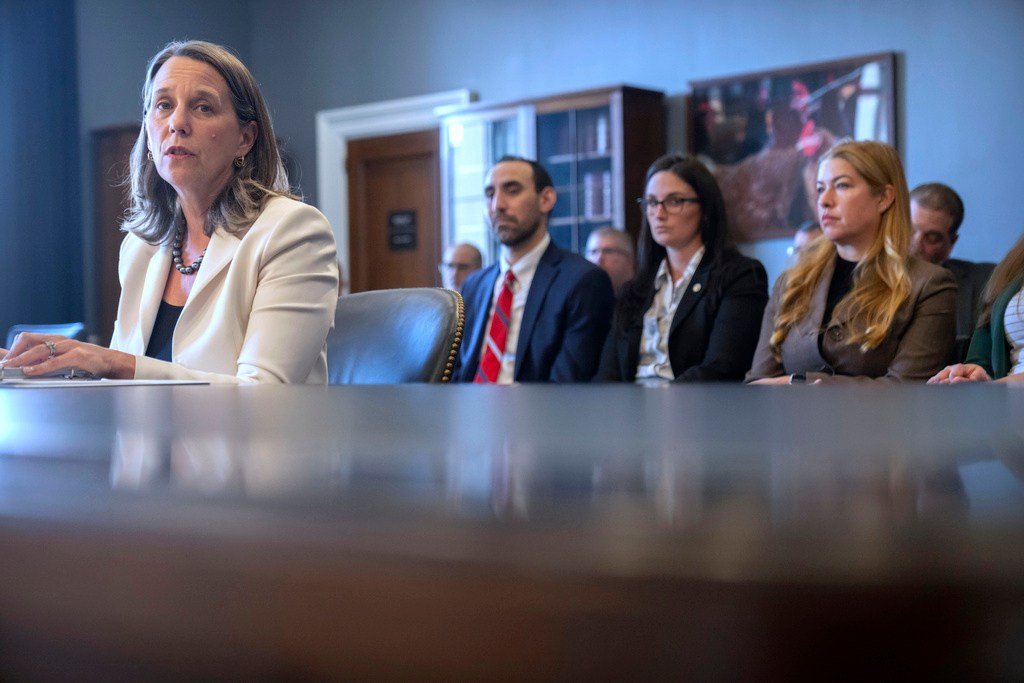
The Federal Bureau of Prisons is tasked with holding inmates in facilities that are safe, humane, cost-efficient, and appropriately secure. It also runs a range of reentry programs aimed at helping inmates turn their lives around. Yet these goals remain out of reach without adequate financial support. Scott Peyton, senior director of advocacy for Prison Fellowship, argues that Congress must fully fund the bureau so it can be properly staffed and equipped to reduce recidivism and enhance public safety.

A System Strained to the Breaking Point
The bureau oversees more than 153,000 prisoners across facilities from Hawaii to New Hampshire. But its workforce of just under 34,000 includes many non-correctional roles, leaving the ratio of inmates to correctional officers at a dangerously high 10.2-to-one as of 2024. Chronic underfunding has kept officer pay below that of other law enforcement agencies, prompting what the Department of Justice's Inspector General has called "pervasive" staffing shortages. Many facilities are also in dire need of maintenance.
These pressures came to a head in July when the bureau announced several prison closures. Despite a $5 billion infusion from Congress last year, officials admitted the money was not enough to fix problems that have been building for decades.
The Human and Public Safety Costs
Understaffing does more than strain the system; it endangers lives. Correctional officers face dangerous working conditions, and inmates endure deteriorating living environments. That combination fuels violence and lockdowns, which in turn diverts time and resources away from rehabilitation. Programs like the Prison Fellowship Academy at Federal Correctional Institution El Reno in Oklahoma, which helps inmates replace criminal thinking with purpose, cannot operate safely without enough staff. Research from the RAND Corporation shows that inmates who participate in educational or vocational training are 43 percent less likely to reoffend.
Funding the bureau might not be a headline-grabbing priority, but it is essential. As Peyton points out, the bureau is the final link in the criminal justice chain, and when that link is weak, the entire system is at risk. Congress must act now to provide the resources needed to keep facilities safe and to give inmates a real chance at successful reentry.