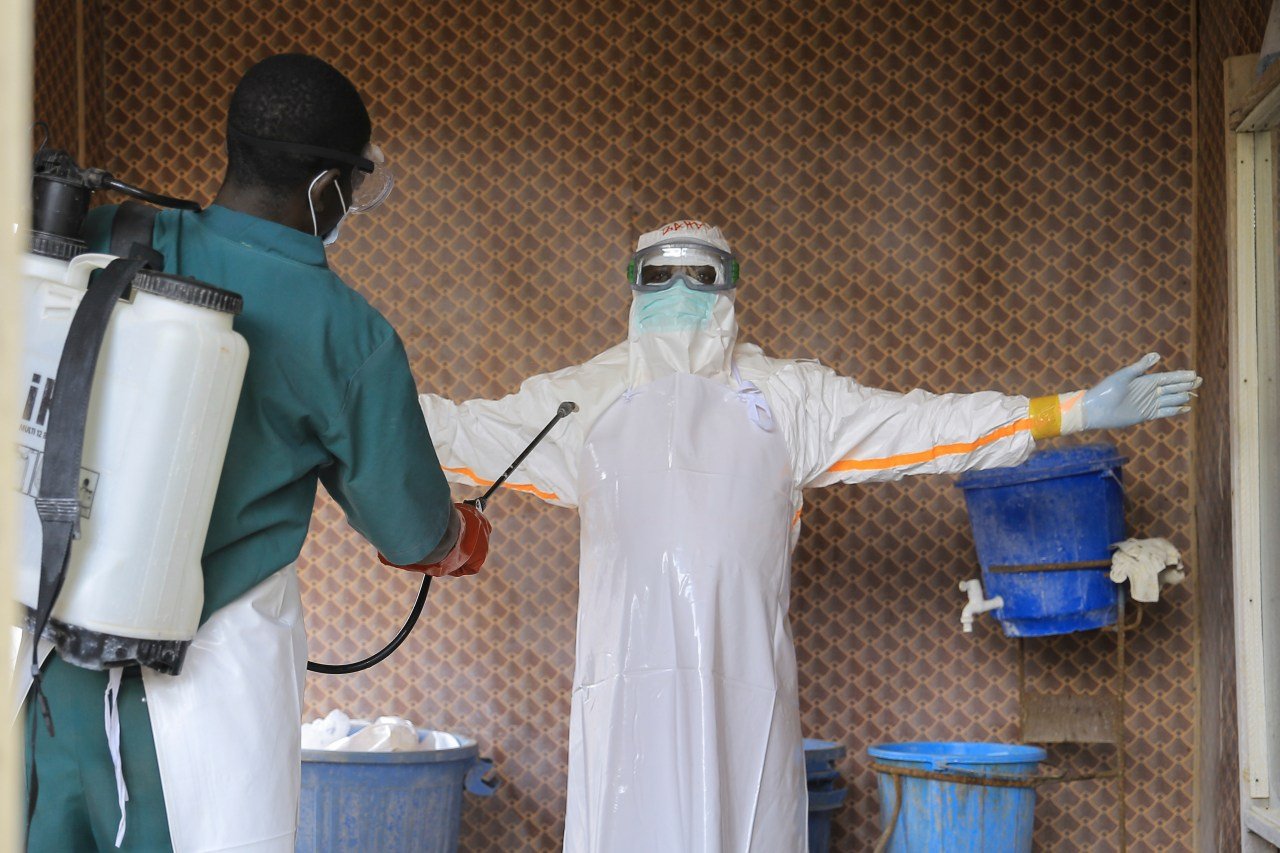
The Ebola outbreak in the Democratic Republic of Congo has now surpassed 10,000 confirmed cases, according to government data released Tuesday. The milestone underscores the rapid escalation of a disease that has already claimed nearly half of those infected, making it the deadliest Ebola epidemic in the country's history.
Officials are scrambling to contain the virus, which has spread beyond Congo's borders to at least five countries, including Kenya, Nigeria, and Uganda. While some of those nations have reported no active cases, the cross-border movement has heightened alarm among African health ministers, who are scheduled to hold a virtual summit on Wednesday to coordinate a more robust response.
“Ebola is crossing borders. Our response must move faster, with stronger coordination, greater solidarity and decisive political leadership,” said Dr. Jean Kaseya, head of the Africa Centers for Disease Control and Prevention.
The outbreak, first declared in May, is caused by the rare Bundibugyo virus, for which there is no approved vaccine or treatment. Response teams are battling not only the virus but also armed conflict, poor infrastructure, and deep-seated community mistrust. In many areas, residents are skeptical of health workers, and violence has erupted, including the killing of a nurse on Saturday in Bafwasende, Tshopo province.
“Some people still don’t seem to understand the seriousness of the situation even though they are directly exposed to the risk,” said Sephora Bgosi, a member of an Ebola burial team in Ituri province, the epicenter. “Ebola disease is extremely dangerous and can be deadly.”
The scale of the crisis is unprecedented. Compared to the 2014-2016 West Africa outbreak, which was the largest and deadliest in history, this one has already seen three times as many cases and deaths in a shorter period. The virus has spread to 66 health zones across eight provinces, up from just three zones at the outset.
One of the most troubling indicators is that about 80% of new cases are occurring outside of monitored contacts, meaning there are undetected transmission chains. For officials to consider the outbreak under control, that figure needs to drop to around 5%. Additionally, at least half of those who died were never admitted to treatment centers, suggesting many people are still not seeking care.
Health workers are also facing logistical and financial hurdles. In Nia Nia health zone, responders went on strike last week over unpaid bonuses, a recurring issue across the region. Meanwhile, the outbreak has disrupted essential health services, leading to a doubling of maternal mortality in some provinces, and has interrupted childhood vaccination campaigns and schooling.
Despite the dire situation, there have been moments of hope. At least 2,600 patients have recovered, and a viral video showed health workers dancing as the last two patients were discharged from a treatment center in Mongbwalu. “The outbreak is far from over, but every life saved is worth celebrating,” said World Health Organization Director-General Tedros Adhanom Ghebreyesus.
As the international community watches closely, the CDC has tightened Ebola screening for travelers from the region, and neighboring countries are on high alert. The situation remains fluid, and the response is a test of both regional solidarity and global health security.