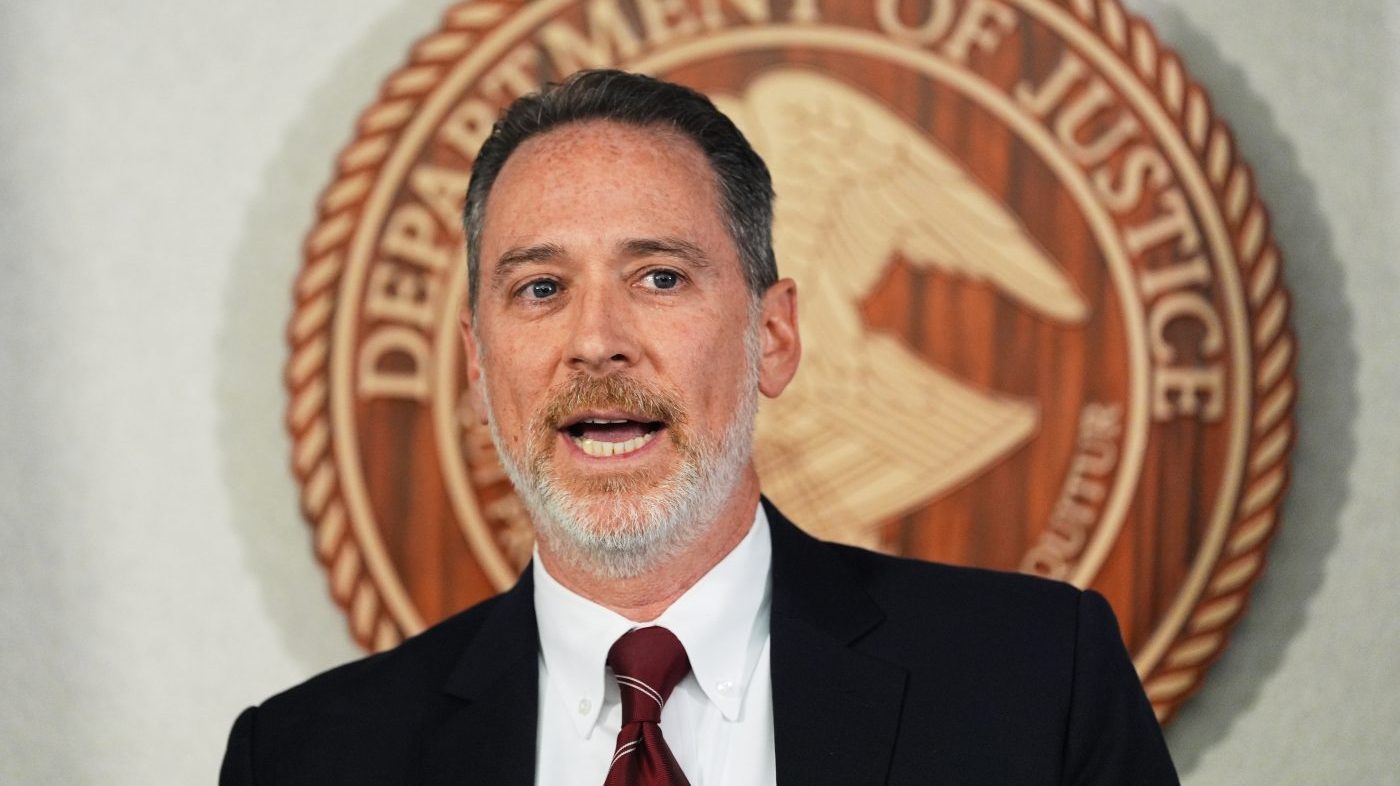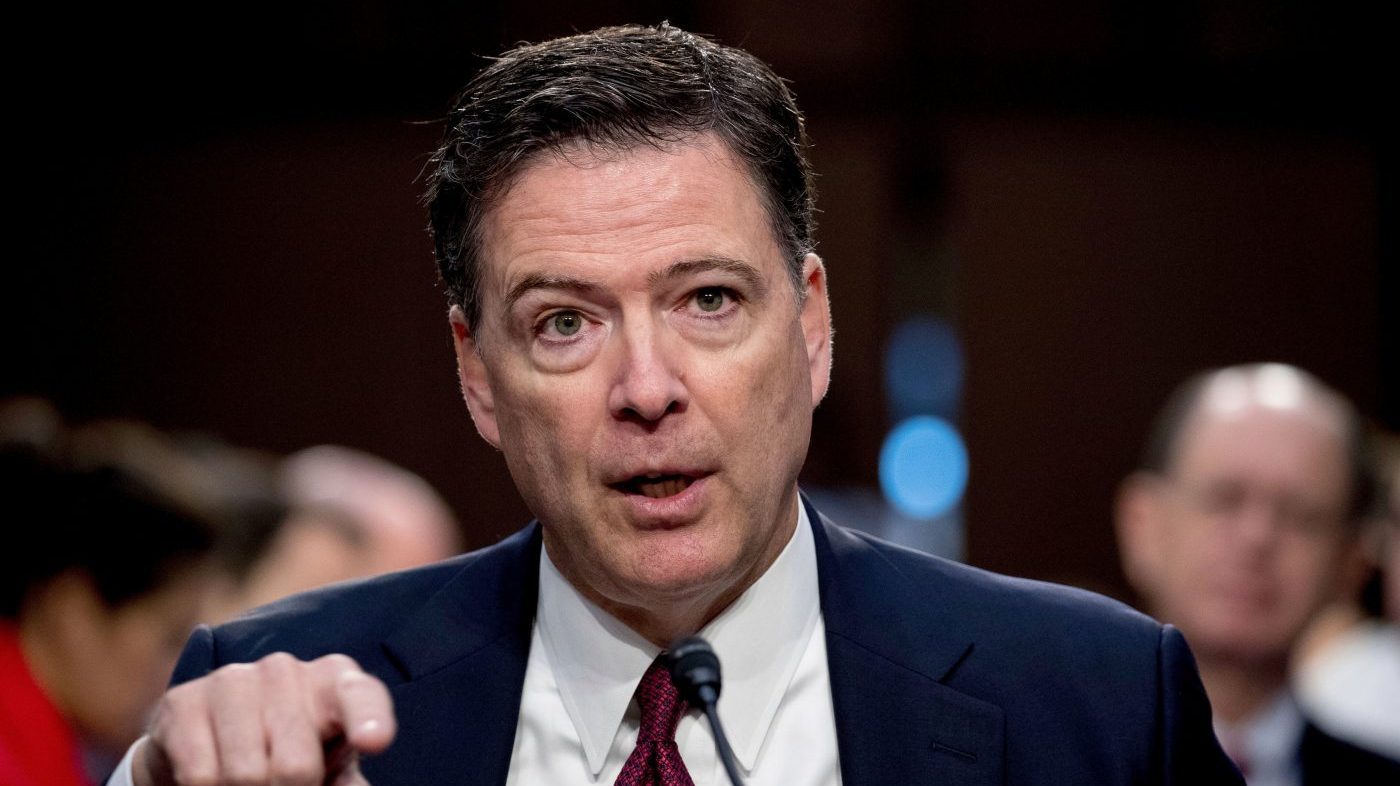
Attorneys for James Comey pressed a federal judge on Friday to halt the Trump administration's latest attempt to prosecute the former FBI director, arguing the Department of Justice (DOJ) waited too long to bring charges over an alleged disclosure of national defense information.
During a hearing at the federal courthouse in Washington, D.C., Comey's lawyer Ephraim McDowell told U.S. District Judge Trevor McFadden that the case is “time barred and must be dismissed.” McDowell emphasized that the government had a decade to act, saying, “The government has had 10 years,” and accused prosecutors of waiting until the “last minute” to pursue the charges.
Comey faces two espionage-related charges tied to the alleged leak of sensitive information to the media in 2016. He has consistently denied any wrongdoing. In a video posted to his Substack, he said, “Nothing's changed with me. I'm still innocent, but I'm still not afraid of these people, and I still believe in the independent judiciary.” He was not present in the courtroom, but this was the first open hearing in the case, which had been under seal since Monday.
The DOJ alleges that Comey directed an individual in his office on October 5, 2016, to share classified information with a New York Times reporter to correct a prior Reuters article. The charges were filed by criminal information, a method that does not require a grand jury indictment, and prosecutors used this to “toll the statute of limitations” while they continue presenting evidence to a grand jury, according to DOJ attorney Dustin Farahnak.
McDowell argued that federal law is “unambiguous” about the need for an indictment within the 10-year window, and he urged the judge to “hold the government to the words Congress wrote.” He also noted that two previous U.S. attorneys' offices investigated the same disclosure and declined to bring charges.
Judge McFadden, a Trump appointee, questioned whether Comey's motion was premature, asking, “Aren't we getting a little ahead of ourselves?” McDowell countered that the prosecution should not be “hanging over Mr. Comey's head,” pointing out that FBI agents have been stationed outside his home. When the judge expressed concern about a potential “dawn raid,” Farahnak assured him that was “not going to happen.”
This is the third time the DOJ has pursued charges against Comey since Trump returned to office, a move critics view as part of a broader pressure campaign against perceived political enemies. An earlier attempt to prosecute him for allegedly lying in 2020 congressional testimony collapsed after a judge ruled that the prosecutor who secured the indictment had been unlawfully appointed. Comey is also fighting a separate case in North Carolina over a since-deleted social media post of seashells arranged to read “86 47,” which he argues is vindictive.
The hearing comes amid broader tensions between the DOJ and federal courts, with grand juries showing more reluctance to indict in politically sensitive cases. Judge McFadden even joked, “Ham sandwiches are harder to indict these days,” referencing the old adage. As the legal battle unfolds, Comey's team is seeking to put an end to what they see as a baseless and politically motivated prosecution. The judge did not rule from the bench, leaving the case in limbo.