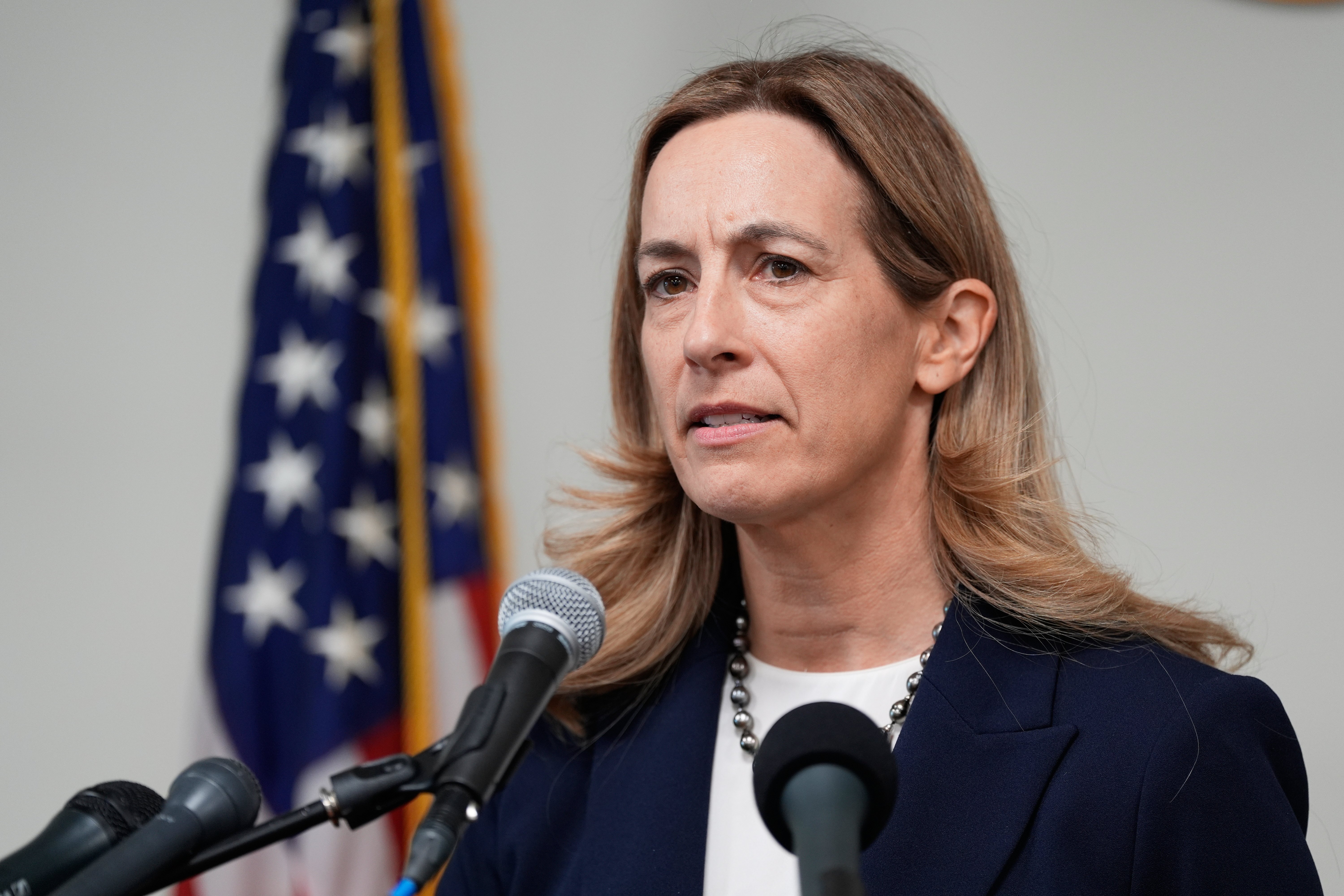
The debate over voter fraud has entered a new phase, one where the goalposts are not just moved but constantly redefined. A recent scandal in New Jersey, where nearly 7,000 non-citizens were erroneously added to the state's voter rolls and at least 400 cast illegal ballots, has reignited a familiar pattern of dismissal from media figures who once flatly denied the problem.
On CNN, host Abby Phillip exemplified this shift during a heated exchange with contributors. When confronted with the New Jersey case, Phillip acknowledged the situation was “obviously not a great situation” but quickly pivoted to argue it didn't prove “widespread voter fraud in New Jersey or anywhere.” This mirrors a broader trend: after years of insisting large-scale fraud was a conspiracy theory, some now concede isolated incidents occur but insist they're inconsequential.
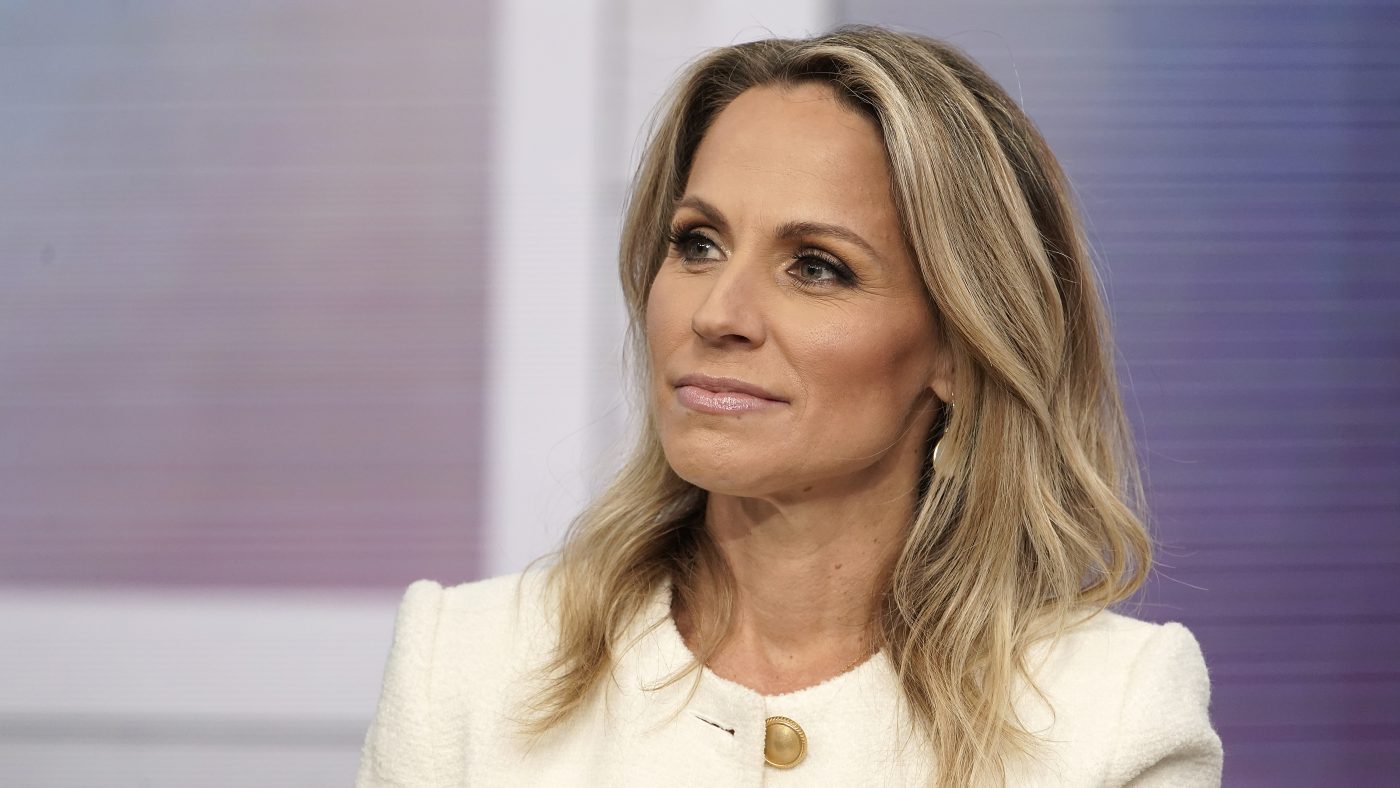
The Manhattan Institute's Jesse Arm pushed back, calling 6,600 non-citizens on the rolls “pretty widespread voter fraud.” Phillip countered by quibbling over the term “widespread,” demanding a percentage threshold. Scott Jennings, a CNN contributor, turned the tables: “What's your tolerance for this?” Phillip avoided the question, sticking to semantics. The exchange laid bare a rhetorical strategy that political scientist Rob Henderson famously outlined in 2021: denial morphs into minimization, then normalization.
New Jersey Governor Mikie Sherrill blamed a “software glitch,” a claim the vendor denies. Many journalists accepted this uncritically, but the incident echoes earlier cases where fraud was dismissed until proven inevitable. In 2018, CNN itself reported strong evidence of election fraud in North Carolina's 9th Congressional District, where a Republican operative's scheme overturned a race. That case—involving absentee ballot tampering—showed fraud can indeed swing an election.
Phillip's current stance is a retreat from her 2020 rhetoric, when she called President Trump's fraud allegations a “complete farce.” Back then, CNN's Jake Tapper labeled them “smears,” and Dana Bash grew emotional. By 2022, analyst Chris Cillizza wrote “Election fraud isn't really a thing, part infinity,” claiming “ZERO evidence” of coordination. Now, with New Jersey's data, the network's tone has softened to “it happens, but it's rare.”
This pattern has real stakes. As Senator Thune pushes for voter ID legislation, critics dismiss concerns as overblown. Yet each case—from North Carolina to New Jersey—undermines the claim that fraud is negligible. Each illegal vote dilutes a legitimate one, and the cumulative effect is a slow erosion of trust.
The question Jennings posed remains unanswered: what is the acceptable tolerance for fraud? For now, the media's answer seems to be: as long as it's not “widespread,” it's fine. But as the goalposts keep moving, voters are left wondering how many illegal ballots are too many.

