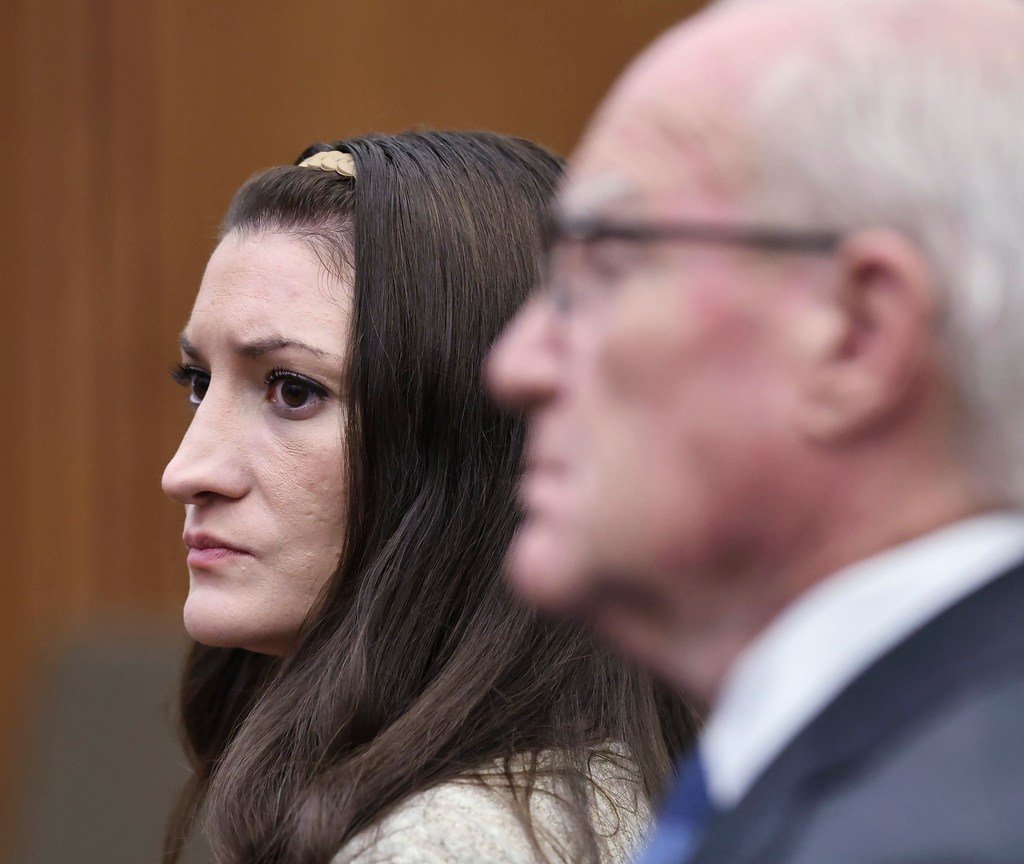
Defense attorney Kevin Reddington indicated Tuesday that Lindsay Clancy would not be emotionally capable of enduring a second trial, should the current proceedings end in a mistrial due to a deadlocked jury.
Speaking to reporters outside the courtroom, Reddington described Clancy's demeanor during the ongoing trial as subdued and sorrowful, noting she exhibited a “flat affect” and appeared sad. When asked directly whether she could withstand the pressures of another trial, Reddington replied simply, “No,” according to the New York Post.
The comment comes after the jury in Clancy's case informed the court on Tuesday that they were deadlocked, raising the prospect that the trial could conclude with a hung jury. The development has intensified speculation about a potential retrial, a scenario that Reddington clearly views as untenable for his client.
Legal observers note that a hung jury would leave the prosecution with the option to retry Clancy, but such a decision would hinge on factors including the strength of the evidence and the emotional toll on all parties involved. The case has drawn significant public attention, and the possibility of a second trial has been a central topic in coverage of the deadlock.
Judge Beverly Cannone has yet to rule on the jury's deadlock, and she could order further deliberations or declare a mistrial. The jury had been instructed to continue its work, and the court is expected to provide guidance in the coming days. Reddington's remarks underscore the high stakes for Clancy, who faces serious charges and has been described by her defense as suffering from mental health issues.
The case has also sparked broader discussions about the legal system's handling of defendants with psychological conditions, a topic that has resonated with advocates and legal experts alike. If a retrial were to occur, it would likely prolong the emotional ordeal for Clancy and her family, as well as for the victims' relatives.
As the jury deliberates, the defense's stance signals that any path forward, whether through a plea agreement or a dismissal, would be preferable to subjecting Clancy to another courtroom battle. Reddington's comments may also be aimed at influencing the prosecution's calculus, suggesting that a retrial would be both costly and potentially futile given his client's fragile state.
The court's next steps remain uncertain, but the possibility of a retrial has already prompted extended deliberations ordered by the judge. For now, all eyes are on the jury as they weigh the evidence, while Clancy's legal team braces for what could be a prolonged legal saga.