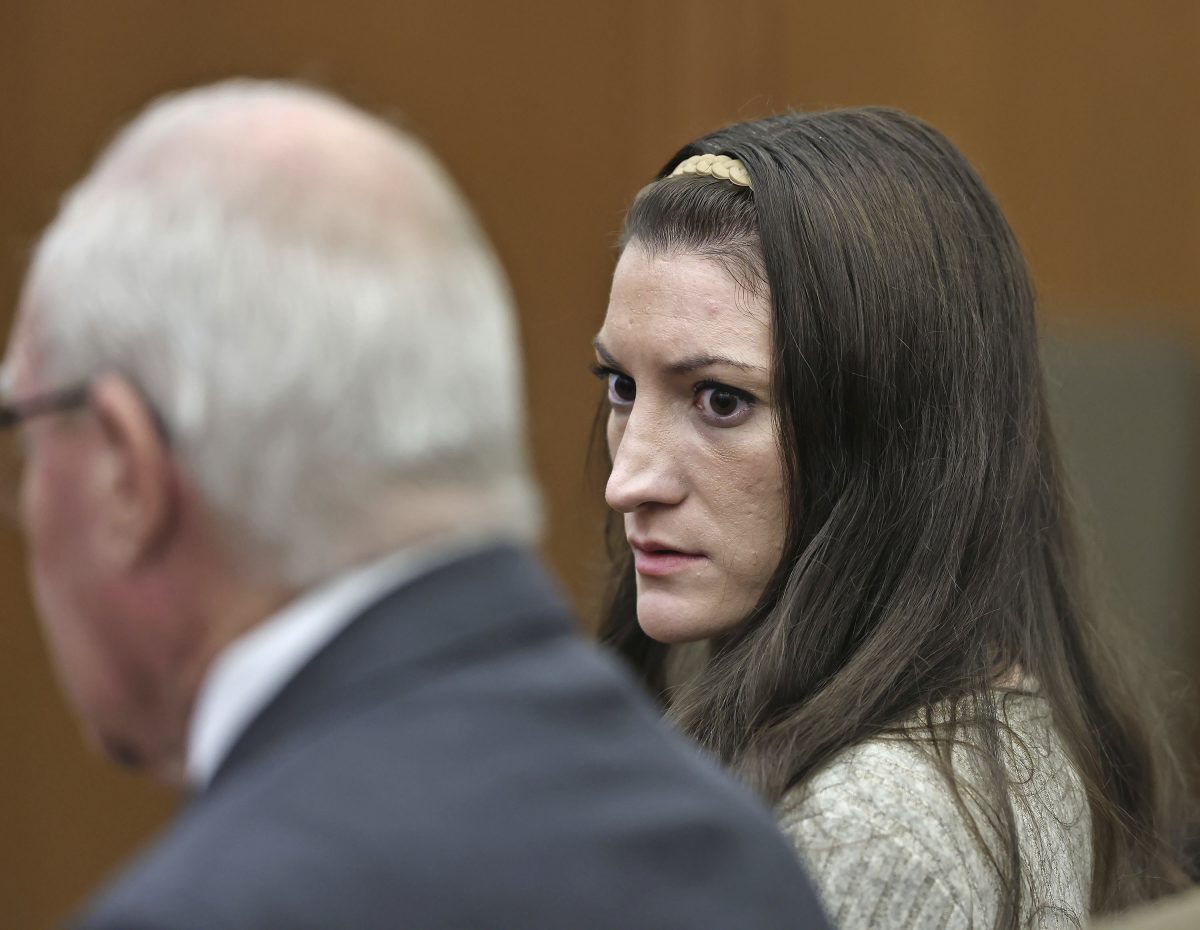
PLYMOUTH, Mass. — The jury in the Lindsay Clancy murder trial told the court on Tuesday that they have been unable to reach a unanimous decision on whether the former labor and delivery nurse is criminally responsible for the deaths of her three young children. Judge William Sullivan, however, urged the panel to continue their deliberations, marking the first public indication of a deadlock after more than three full days of jury discussions.
Clancy, 36, has pleaded not guilty by reason of lack of criminal responsibility. She does not dispute that she strangled her children — Cora, 5, Dawson, 3, and Callan, 8 months — in their home south of Boston in January 2023. Her defense argues that she was suffering from postpartum psychosis, a rare and severe mental health condition, which impaired her ability to understand the wrongfulness of her actions. Prosecutors counter that Clancy was depressed and made a conscious decision to kill her children before attempting suicide, and they argue she knew what she was doing.

The jury began deliberating Thursday afternoon. On Friday, they requested to review a knife Clancy used to cut herself and bags containing empty prescription pill bottles found in her home. On Tuesday, they sent a note to the judge indicating they were at an impasse. Judge Sullivan responded, "I know that this was a long trial, all right. I know there were over 80 witnesses. There were over 300 exhibits. But because of that, I’m going to ask you to go back out."
The trial has drawn intense public attention, highlighting debates over maternal mental health and criminal responsibility. Clancy, who remains paralyzed from the waist down after jumping from a second-floor window following the killings, has been in court throughout the proceedings, occasionally weeping, particularly when prosecutors showed autopsy photos.
During more than four weeks of testimony, medical experts offered conflicting views on Clancy’s mental state. A forensic psychologist for the prosecution testified that Clancy killed her children because she wanted to die but did not want to leave them behind. A defense psychologist said Clancy did not recognize the wrongfulness of her actions due to her mental illness. Clancy’s mother and sister testified that she had become anxious, paranoid, and suicidal in the months before the killings, and that she had sought treatment, including a stay in a psychiatric hospital.
Less than three weeks after her discharge, Clancy sent her husband, Patrick, on an errand and then killed the children with exercise bands in the basement. Patrick Clancy, who has since divorced her, testified over two days, including playing his anguished 911 call. He has said he forgives his ex-wife, viewing her as ill rather than evil. The trial marked the first time he had seen her since the killings.
The jury’s options include convicting Clancy of murder or manslaughter, which could result in a life sentence, or acquitting her, in which case a judge could still order her committed to a mental health facility if she is deemed a danger to the public. Postpartum psychosis, the condition at the center of the defense, affects an estimated 1 to 2 out of 1,000 women after childbirth, though most who experience it do not harm their children.
As deliberations continue, the case has become a flashpoint in discussions about how the legal system handles cases involving severe postpartum mental illness. The judge’s instruction to keep deliberating suggests the jury remains divided, and the outcome could hinge on how they weigh the expert testimony and Clancy’s mental state at the time of the killings.