As inflation continues to squeeze household budgets, childcare expenses have become a decisive issue for many voters, particularly in closely contested congressional districts. For parents like Jenny Escolastico of Allentown, Pennsylvania, the high cost of care is not just a financial burden but a barrier to employment.
Escolastico, a former Air Force veteran and HR professional, has put her career on hold because her potential earnings would be eclipsed by childcare costs. "Childcare is another rent, another car note," she said, explaining why she remains at home with her two young children. Her situation reflects a broader trend: a June 2025 AP-NORC poll found that about three-quarters of U.S. adults view childcare as a major problem, and 64% support federal subsidies for early childhood care.
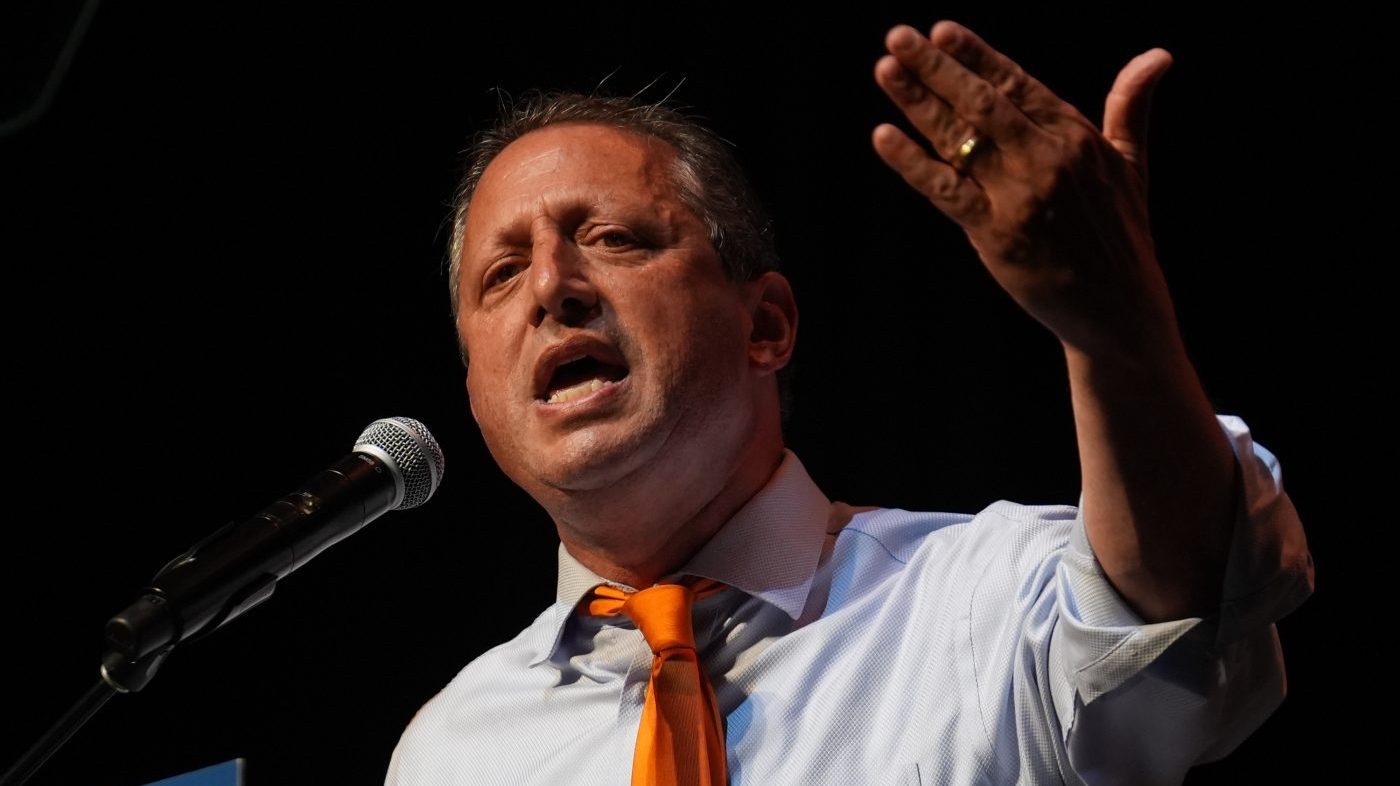
In Pennsylvania's 7th Congressional District, where Escolastico lives, the race between freshman Republican Rep. Ryan Mackenzie and Democratic challenger Bob Brooks is emblematic of the national debate. Mackenzie, a father of two, advocates for tax credits and employer incentives, while Brooks, a retired firefighter, pushes for universal prekindergarten and expanded Head Start funding. "The cost of caring for the people you love keeps climbing, and nobody in Washington seems to notice," Brooks said in a statement.
Childcare costs have outpaced inflation, with full-time care averaging over $13,000 annually, according to Child Care Aware of America. The issue is particularly acute for working families, and candidates are taking notice. In New York, mayoral candidate Zohran Mamdani has pledged free childcare, while governors in New Jersey and Virginia won on platforms that included childcare funding increases.
The pandemic highlighted the fragility of the childcare system, prompting a $50 billion federal investment to keep providers afloat. However, that aid has since expired, leaving many families on waitlists for assistance. President Biden's 2021 proposal to cap childcare costs at 7% of income failed in Congress, and the issue remains unresolved.
Lerin Hagenbuch, a registered Republican from Allentown, echoes the frustration. She and her husband struggled to find affordable care so she could return to teaching, but the options were so costly she would have needed a second job. "If these moms or dads who are staying at home were able to even work part time, what a shift that would be," she said.
With control of Congress at stake, both parties are courting voters like Escolastico and Hagenbuch. The GOP's massive midterm spending reflects the high stakes, but the president's low approval ratings suggest economic anxiety could hurt Republicans. Meanwhile, Democratic outreach efforts are focusing on kitchen-table issues like childcare to mobilize voters.
The outcome in districts like Pennsylvania's 7th may hinge on which party's message resonates more with parents struggling to balance work and family. As one voter put it, the choice is about more than politics—it's about survival.