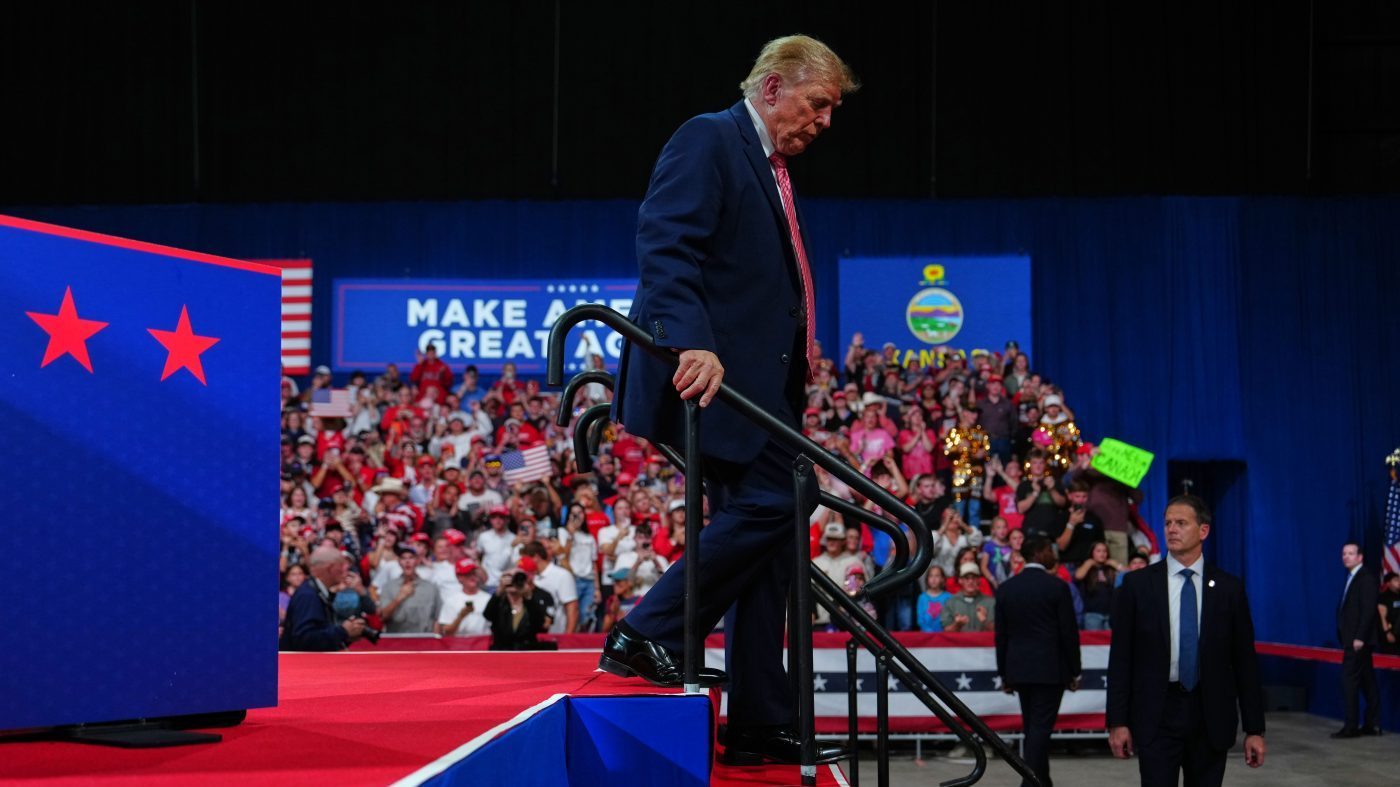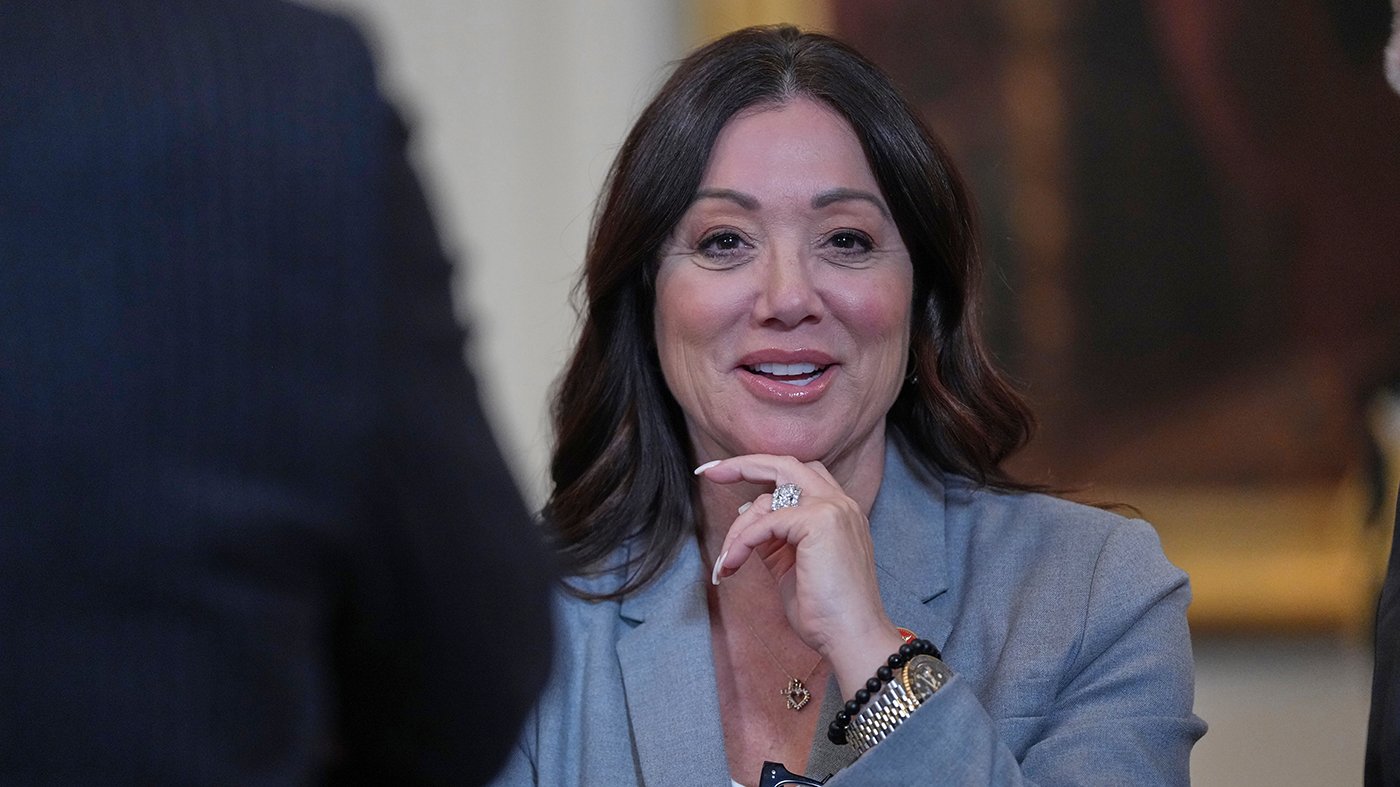
The resignation of Labor Secretary Lori Chavez-DeRemer last week, triggered by a cascade of misconduct allegations, has thrown the Republican Party's tentative alliance with organized labor into fresh uncertainty. The episode raises a pivotal question: Was the GOP's outreach to union workers—a key factor in President Trump's 2024 victory—a fleeting tactic, or can it be sustained and deepened?
Chavez-DeRemer's departure, which came amid investigations into an alleged affair with a security detail member and reported drinking on the job, removes a figure who symbolized the Trump administration's overtures to labor. Her nomination was hailed by the populist "New Right" wing of the GOP and backed by the Teamsters, while the AFL-CIO expressed cautious optimism. Yet her tenure was largely symbolic, with Deputy Secretary Keith Sonderling, now acting secretary, handling day-to-day operations.
The administration's next move—whether to elevate a more explicitly pro-union figure or keep Sonderling in place—will be a crucial test. "Trump has an opportunity to make a big symbolic gesture in naming Chavez-DeRemer's replacement, if he wants to," said one source familiar with internal discussions. Sonderling, a former labor litigator, is respected across the political spectrum. The free-market faction sees him as aligned with their principles, while the New Right doesn't view his continued tenure as a setback.
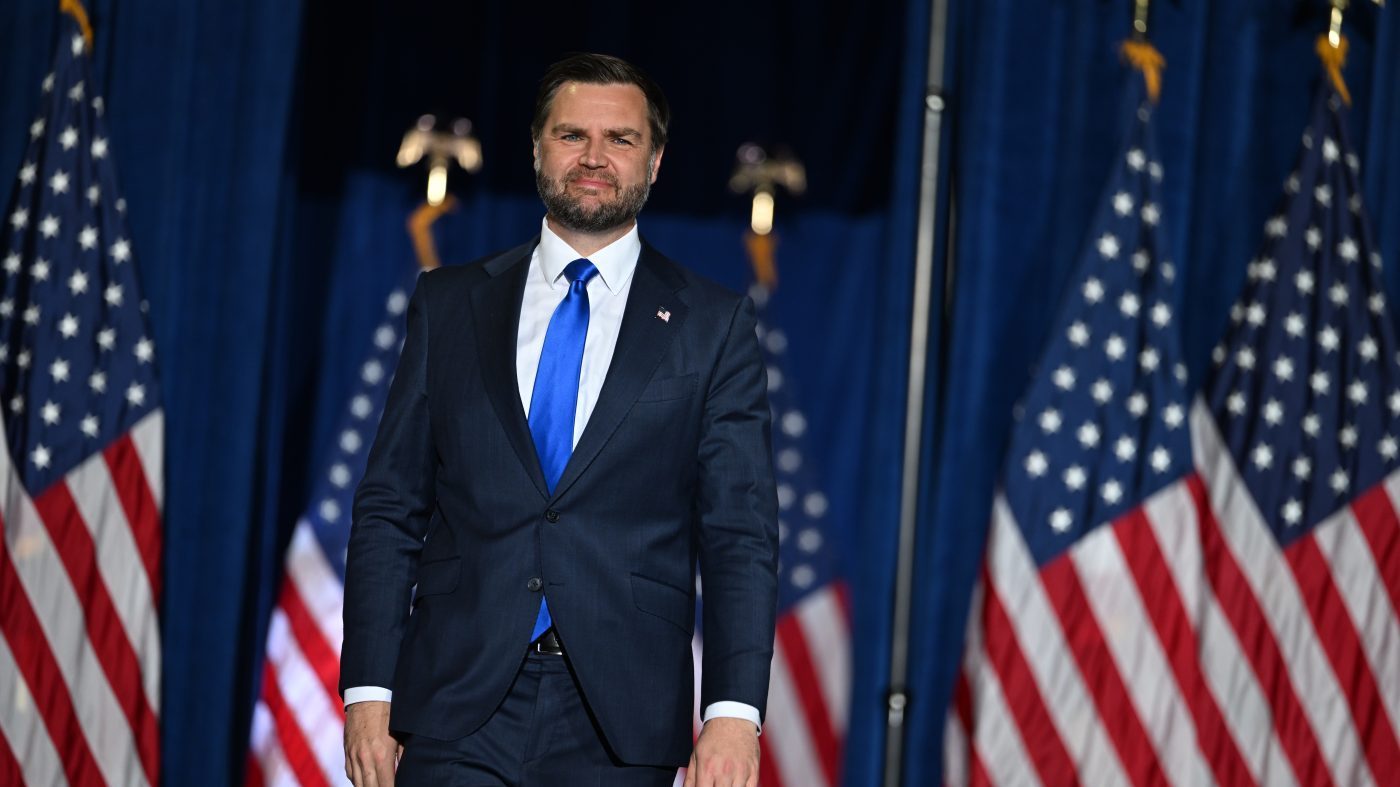
Mark Mix, president of the National Right to Work Committee, which opposed Chavez-DeRemer's nomination, noted that the vacancy could foreshadow the direction of Vice President Vance, a New Right ally, ahead of a potential 2028 bid. "The filling of this position will give us an idea of where perhaps the Vance people are going," Mix said.
White House spokeswoman Taylor Rogers defended the administration's labor record, stating that Trump "has done more than any president in modern history to put American workers first." She cited reforms to the H-1B visa process, tariffs boosting manufacturing, and crackdowns on illegal immigration. A White House official said Trump will decide on a permanent replacement "in due time."
Critics, however, argue that the administration's labor policy remains largely pro-business. Sohrab Ahmari, a New Right commentator, wrote that "Trump's labor policy has been more libertarian and pro-business than George W. Bush's," lamenting that Chavez-DeRemer's tenure was heavy on social-media messaging but light on substantive action. Supporters counter that the administration has been friendlier to unions than past Republican administrations, even if it hasn't matched Democratic ambitions.
Congress may offer a clearer indicator of the GOP's shifting stance. In January, four Republican rebels sank a slate of party-line labor bills, surprising leadership. The next flashpoint could be the Faster Labor Contracts Act, a Teamsters-backed bill sponsored by Sen. Josh Hawley (R-Mo.) that would impose shorter deadlines for first-contract negotiations, which can currently drag on for years. The bill's fate will test whether the GOP's pro-labor rhetoric translates into legislative action.
As the administration weighs its next steps, the broader political calculus remains. Trump's appeal to union households in 2024 was a key part of his coalition, but sustaining that alliance requires more than symbolic gestures. The choice of Chavez-DeRemer's successor—and the administration's willingness to embrace pro-worker policies—will determine whether the GOP-labor relationship fizzles out or evolves into a lasting realignment.