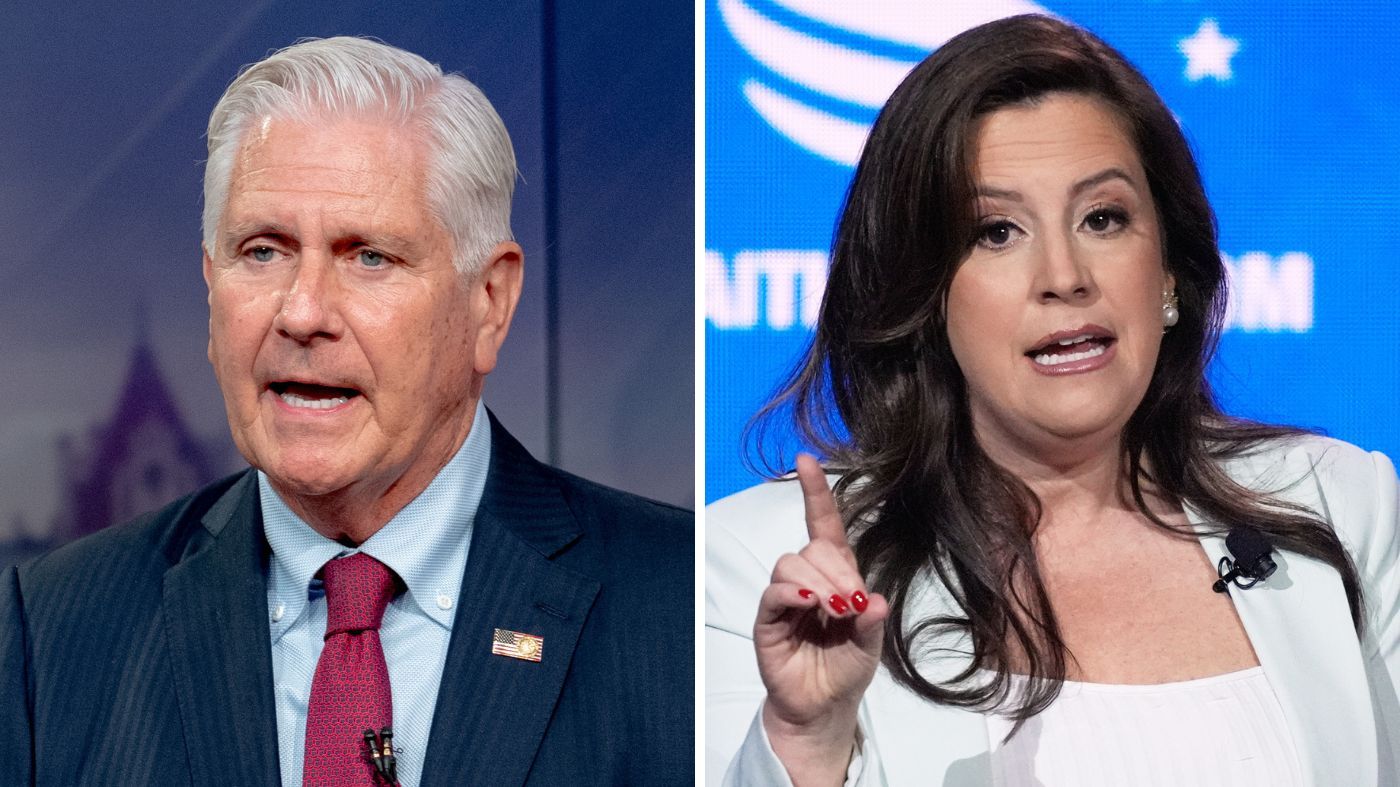
Missouri Republicans have chosen state Rep. Darin Chappell as their next House majority leader, placing a staunch conservative at the helm as the party confronts its most significant electoral setback in decades. Chappell, who represents the 137th District, is also the uncle of Grammy-winning pop star Chappell Roan, a detail that has drawn renewed attention to the family's divergent political paths.
Chappell's selection on Wednesday comes after Tuesday's midterm elections, in which Democrats flipped 16 seats in the Missouri House, ending 14 years of Republican supermajorities. The GOP's losses were the worst since 1974, when the party lost 17 seats following President Nixon's resignation. Republicans will still hold a 95-seat majority, but that margin is their smallest since 2008 and leaves them without the two-thirds majority needed to override gubernatorial vetoes without Democratic support.

In an interview with the Missouri Independent, Chappell acknowledged the need for introspection. "We're in a total reassessment," he said. "If we need to change course on specific issues, we will." His comments signal a potential shift in strategy, though his own record suggests continuity on key conservative priorities.
Chappell, a Navy veteran and former Missouri State University instructor, has built a reputation as a reliable conservative voice. He has campaigned against abortion access, gun control, and critical race theory in schools, and he previously co-sponsored legislation to block public funding for abortion providers. His policy positions stand in stark contrast to those of his niece, Kayleigh Rose Amstutz, who performs as Chappell Roan and is openly gay. Roan has been a vocal advocate for LGBTQ rights and, during the 2024 presidential election, criticized both major parties before ultimately backing Kamala Harris over Donald Trump.
The GOP's midterm losses have prompted internal debate about whether the party's legislative agenda contributed to the backlash. Missouri voters rejected several Republican-backed measures this year, including proposals related to income taxes and abortion restrictions. The abortion measure's defeat was particularly notable, as it underscored the political risk of pursuing restrictive policies in a state that has trended conservative but has shown signs of shifting on certain issues.
Chappell's own electoral performance reflected the broader trend. He won reelection with 70 percent of the vote, but that margin was 15 points narrower than in 2024, a sign of the Democratic surge even in reliably Republican districts. His new leadership role will place him at the center of efforts to rebuild the party's standing while navigating a more competitive chamber.
The leadership shakeup in Missouri is part of a larger Republican reckoning across the country. In Washington, House GOP leaders are facing challenges from within their ranks, with contenders vying for minority leader and Speaker Johnson stepping aside from the race. The Missouri result adds to the narrative of a party reassessing its approach after a bruising election cycle.
As Chappell prepares to lead the House GOP, he will have to balance the demands of his conservative base with the reality of a narrower majority. Whether that means moderating some positions or finding new ways to communicate the party's message remains to be seen. But his selection signals that Missouri Republicans are looking to maintain their conservative identity while adapting to a changed political landscape.