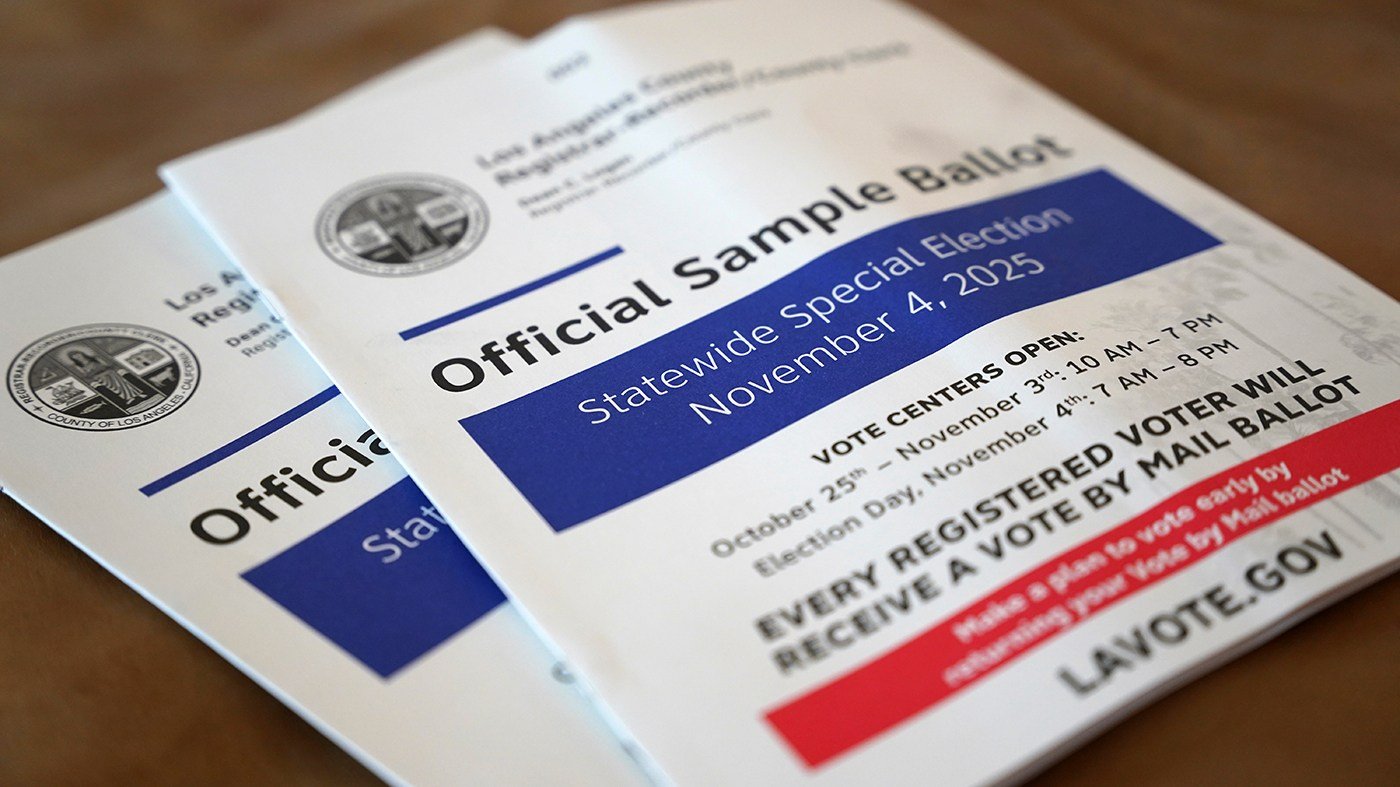
California voters have decisively rejected Proposition 39, a ballot measure that would have imposed strict voter identification requirements, according to projections from Decision Desk HQ (DDHQ). With nearly 60% of voters casting ballots against the measure and only 41% in favor, the proposal failed to gain traction in a state that has consistently resisted such voting restrictions.
The measure would have mandated that all registered voters provide proof of U.S. citizenship, and would have required mail-in voters to include the last four digits of a government-issued ID, such as a driver's license number. In-person voting without an ID would have been prohibited entirely.

Supporters, including conservative groups like Reform California and the California Republican Party, argued that the measure was necessary to bolster public confidence in elections. They likened the ID requirement to common practices like flying, buying alcohol, or cashing checks. However, opponents, led by civil rights organizations such as the ACLU of Northern California, warned that the measure would create significant privacy and security risks, particularly for mail-in voters whose ID numbers would be exposed to multiple handlers and stored in election records for nearly two years.
The Sacramento Bee's editorial board also weighed in, calling the proposition "bad policy" and asserting that California does not have a voter fraud crisis but rather a trust crisis, fueled by national politicians who have spread baseless election conspiracy theories.
The defeat marks a setback for Republican lawmakers who have pushed similar legislation. A bill mirroring Proposition 39, co-authored by Assembly Member Carl DeMaio (R), failed to advance out of the Committee on Elections in April 2025.
This outcome aligns with broader trends in the midterm elections, where voter frustration with the GOP has been evident. The rejection also echoes other state-level results, such as Idaho's rejection of an abortion rights measure, though in opposite ideological directions.
Political analysts note that California's existing voter registration process already requires an ID and Social Security number, making the additional requirements redundant and burdensome. The measure's failure is likely to be seen as a validation of the state's current election system and a rebuke of efforts to impose stricter voting laws.
As the dust settles, the focus now shifts to how this result will influence similar proposals in other states and whether it signals a broader public preference for accessible voting over restrictive measures.