
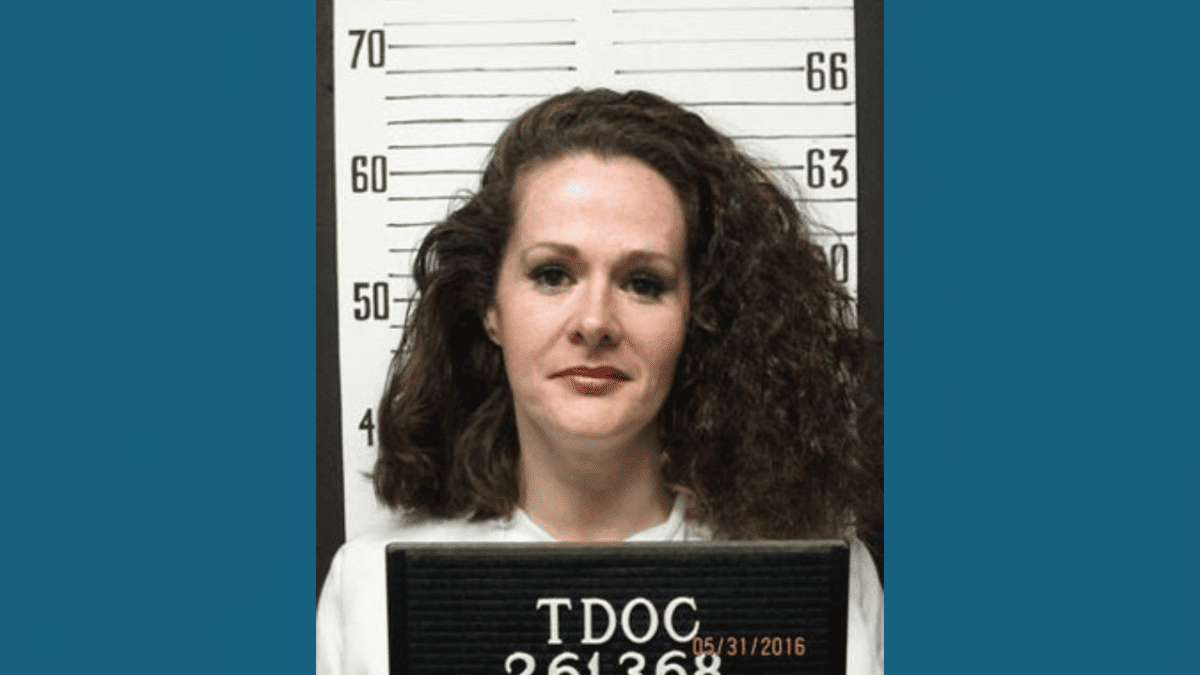
Erica Jimenez, a first-time mother weeks from her due date, sought help from California's Black Infant Health Program—only to be turned away because she isn't Black. Despite meeting every other criterion—pregnant, over 18, and living in a served area—a program representative told her the service wasn't for her and offered alternative resources.
Jimenez has now filed a lawsuit challenging the program's race-based eligibility, arguing it violates the equal protection clause of the 14th Amendment, which bars the government from treating individuals differently by race without a compelling interest. The case highlights a broader debate over racial classifications in public health policy.
Since 1989, California has run the Black Infant Health Program, providing services exclusively to pregnant and postpartum Black women in an effort to improve maternal and infant outcomes. Yet recent data show Black infant mortality rates remain higher than those of white infants, suggesting the program hasn't achieved its goal.
Despite three decades of race-based care, the problem persists, and California continues with the same approach. A recent op-ed in The Hill criticized Jimenez's lawsuit, arguing that "paying attention to race in healthcare delivery can quite literally save lives." But that assertion doesn't hold up given the program's track record, and Jimenez is being denied equal treatment in the name of a benefit that hasn't delivered.
The Constitution's prohibition on racial discrimination stems from America's tragic history with race, including the era of "separate but equal" medical care. Governments have repeatedly invoked public health and life-saving necessity to justify racial classifications, but the Supreme Court has consistently rejected broad, aspirational goals—like promoting diversity or remedying societal discrimination—as too vague to justify racial distinctions. California's interest in reducing health disparities is no different.
Moreover, the program's fundamental eligibility is based solely on race, which demeans individuals and stereotypes them. As Justice Clarence Thomas wrote, "Every time the government places citizens on racial registers and makes race relevant to the provisions of burdens or benefits, it demeans us all." Jimenez's lawsuit doesn't seek to exclude anyone; it seeks to open the program to all mothers who meet the criteria, regardless of race.
Defenders of the program point to a Florida study suggesting that Black infants had lower mortality when treated by Black doctors. But a follow-up review using the same data found the original result was driven by omitted-variable bias—white physicians disproportionately treated the highest-risk newborns with extremely low birth weight. The evidence for racial concordance in care is thus weak.
The better approach, as the Supreme Court reiterated in Students for Fair Admissions v. Harvard, is that "Government must treat citizens as individuals," not as members of a racial class. That principle applies to healthcare, too. As William Osler, the Father of Modern Medicine, said, "The good physician treats the disease; the great physician treats the patient who has the disease."
California's maternal health policy should follow that wisdom, focusing on individual needs rather than racial categories. The state's ongoing commitment to a failed and discriminatory program is both ineffective and unconstitutional, and Jimenez's challenge offers a chance to correct course.