The past two weeks have forced Americans to confront the grim realities of capital punishment. A botched lethal injection in Tennessee and a short-lived Pentagon plan to livestream a military execution have reignited a fierce debate over whether the death penalty can ever be administered humanely. Critics argue that these incidents expose a practice that is irreparably flawed and fundamentally at odds with constitutional principles of human dignity.
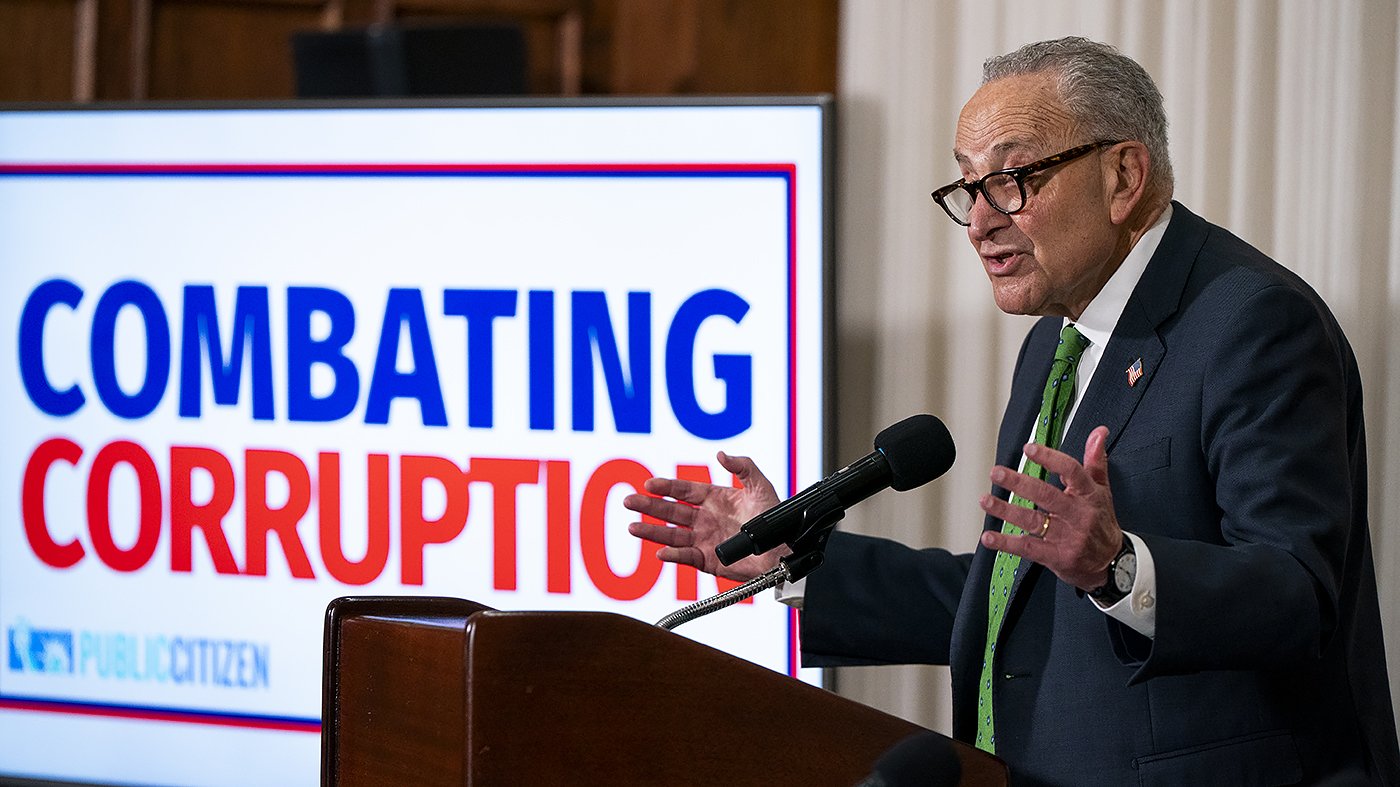
On October 8, Defense Secretary Pete Hegseth announced that the Pentagon intended to broadcast the execution of former Army Major Nidal Malik Hasan, convicted of killing 13 people in the 2009 Fort Hood shooting. The proposed livestream would have marked the first military execution in over six decades, and critics said it would align the United States with authoritarian regimes that use public killings to project power. The backlash was swift, drawing objections from former military officials, Pope Francis, and even members of the administration's own party. By Thursday, President Trump reversed the decision, though the execution by firing squad remains scheduled.

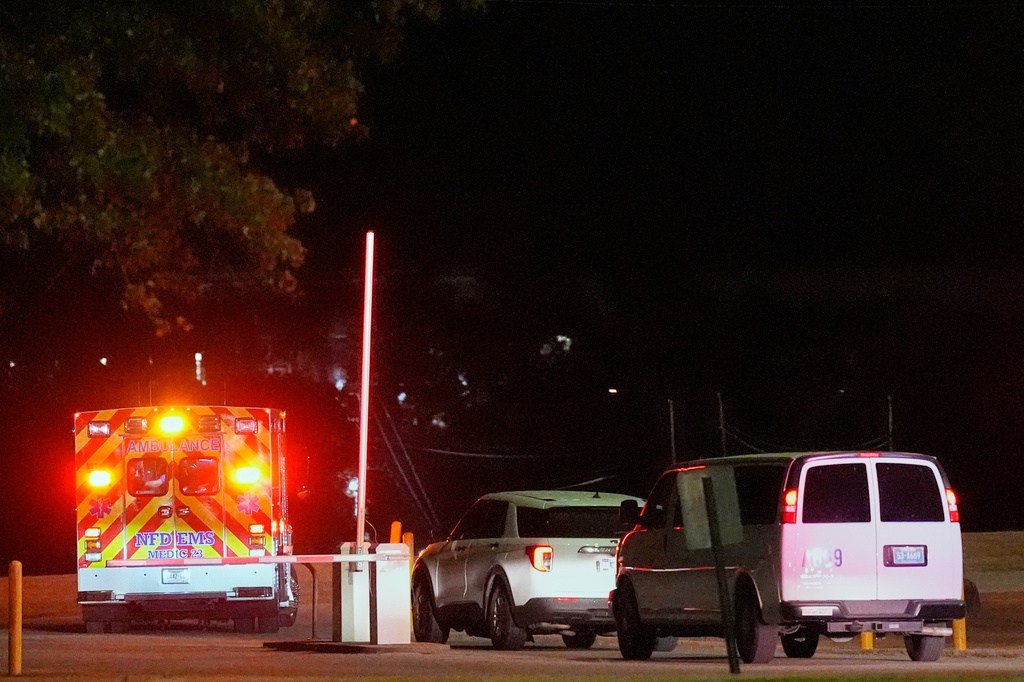
Just eight days before Hegseth's announcement, Tennessee's attempt to execute Christa Pike failed after two doses of lethal injection drugs left her hospitalized in critical condition. This followed an earlier botched execution in May, when the state spent more than 90 minutes trying to insert an IV into Tony Carruthers, puncturing his body over a dozen times before abandoning the attempt. Carruthers was left bloodied and traumatized, given only ibuprofen for pain.
These incidents underscore a persistent pattern: states and the federal government continually adjust methods—from lethal injection to nitrogen hypoxia to firing squads—in search of a painless death that remains elusive. In 2024, Kenneth Smith gasped during Alabama's first nitrogen hypoxia execution, despite assurances it would be quick and painless. In 2025, South Carolina's firing squad left Mikal Mahdi alive and reacting longer than intended, and Byron Black groaned in pain during his Tennessee lethal injection, with an autopsy later revealing fluid in his lungs, a condition experts liken to drowning.
The legal framework itself compounds the problem. Under Supreme Court precedent, a prisoner challenging an execution method must propose an alternative that significantly reduces pain—effectively forcing them to help design their own death. This constitutional absurdity, critics say, turns the Eighth Amendment's protection against cruel and unusual punishment into a negotiation over how the state should kill.
The proposed livestream, though reversed, offered a rare moment of public scrutiny. As some lawmakers defended the idea as reflecting American values, others, including a Marine veteran who argued it would betray core principles, condemned it. The episode highlights a broader tension: even supporters of capital punishment recoil when its reality is made visible.
Yasmin Cader, deputy executive director of the American Civil Liberties Union, argues that the repeated horrors should not be treated as logistical problems to solve but as evidence that the death penalty cannot be justifiably repaired. She contends that the constitutional commitment to human dignity demands abolition. The debate, she says, should shift from how to make executions more palatable to why the nation continues to carry them out at all.
As the Trump administration pushes forward with federal executions, the question of whether America can reconcile capital punishment with its stated values remains unresolved. The recent botched attempts and the brief flirtation with a public spectacle may ultimately serve as a turning point in the long-running fight over the death penalty's place in American justice.