For six decades, the Democratic Party has relied on Black voters to turn out, carry elections, and accept little more than press releases in return. That arrangement, says Michael Starr Hopkins, a former senior congressional aide and author of “Burn the Playbook,” is now broken. Black voters, he argues, are not a base—they are creditors, and the party has defaulted.
In 2020, Black voters delivered the presidency to Joe Biden. Federal Election Commission data shows Biden won 92 percent of the Black vote nationally, and margins in key states were razor-thin: Georgia flipped by fewer than 12,000 votes, Pennsylvania by 81,000, and Wisconsin by 21,000. Without that coalition, Donald Trump would have won a second term.
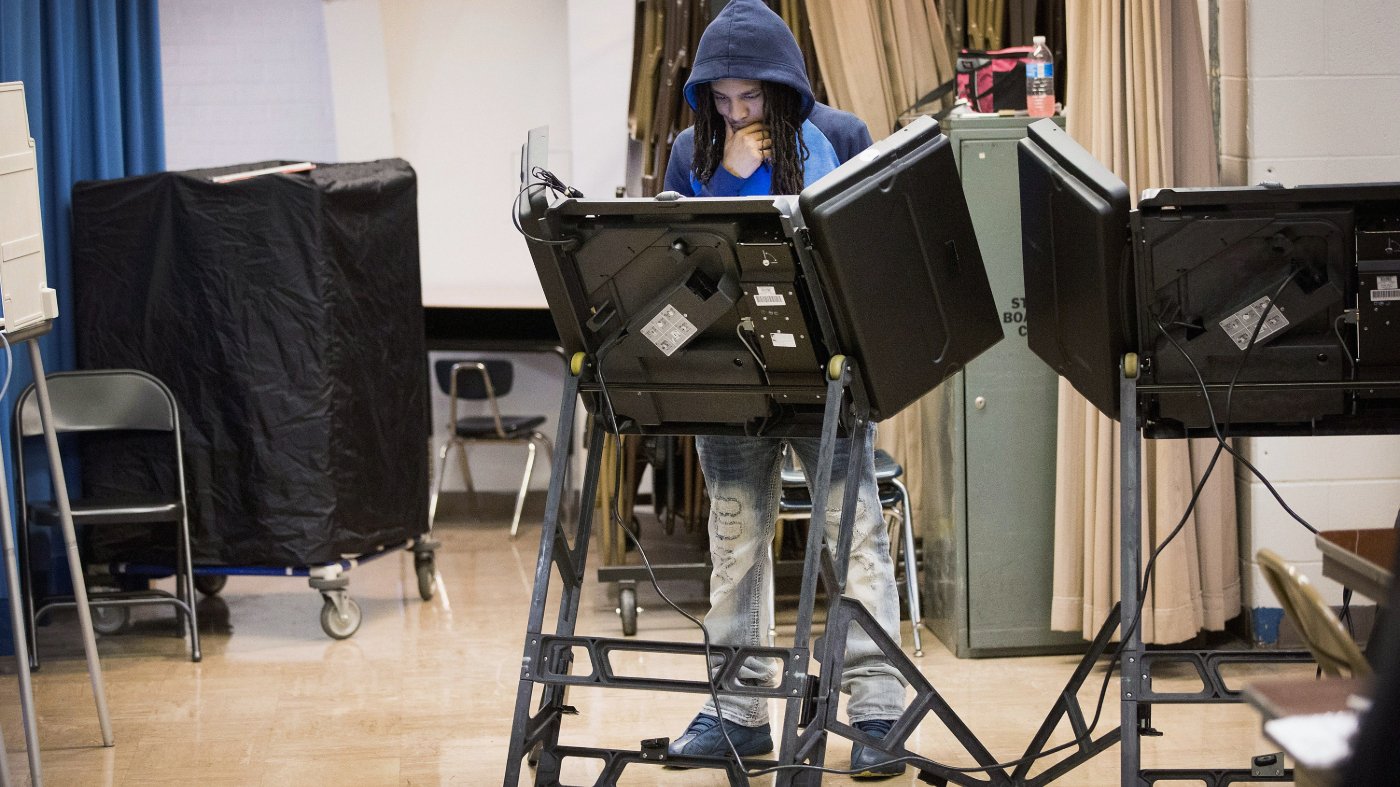
Yet by 2024, Trump’s share of Black men under 45 had doubled to roughly 26 percent. Democrats blamed a “messaging problem,” but Hopkins insists the real issue is a failure to deliver on promises. The party spent its political capital on everything except the voters who put it in power.
The Voting Rights Act of 1965 was supposed to enforce rights promised since 1870. In Mississippi, only 6.7 percent of eligible Black voters were registered in 1964; after the act, Alabama’s registration jumped from 11 percent to 51 percent, and Georgia went from three Black elected officials to 495. But in 2013, the Supreme Court gutted preclearance in Shelby County v. Holder. Within hours, Texas announced a voter ID law. Since then, 15 states have rolled back early voting, same-day registration, or Sunday voting.
Congress had a chance to repair the damage. The Freedom to Vote Act and the John Lewis Voting Rights Advancement Act reached the Senate floor in January 2022. Senate Majority Leader Chuck Schumer had the votes, but then-Sens. Joe Manchin and Kyrsten Sinema joined all 50 Republicans to block a filibuster change, killing both bills. As Hopkins notes, the Senate killed the John Lewis Act in 2022; the Supreme Court finished the job on Wednesday with a 6-3 ruling that requires plaintiffs to prove intentional discrimination to challenge a map—effectively greenlighting racial gerrymanders.
The consequences were immediate. Florida Gov. Ron DeSantis unveiled a congressional map designed to give Republicans four additional House seats, and both chambers passed it the same afternoon. He also signed a proof-of-citizenship voting requirement, which voting rights groups say will disproportionately disenfranchise students, the elderly, and poor Black Floridians. DeSantis went further, declaring the state’s 2010 Fair Districts amendment—approved by 63 percent of voters—unconstitutional.
Other promises have evaporated. The George Floyd Justice in Policing Act died in September 2021, even after Memphis police killed Tyre Nichols in January 2023. The Supreme Court struck down student loan forgiveness in 2023, a program that would have primarily helped Black borrowers. Hopkins, who worked inside the party, confesses his own complicity: “I cashed the check and wrote the talking points. I told Black voters to be patient. This is my confession.”
Black voters under 40 have watched Ferguson, Baltimore, Minneapolis, and Memphis. They have seen the Supreme Court hollow out the law named for John Lewis. They have watched DeSantis void a supermajority vote. Now, the party is asking them to show up again in 2026. But as Hopkins writes, “They are under no obligation to do so.”
The Democratic Party did not lose Black voters, Hopkins concludes. It used them. And for the first time in 60 years, the terms are not the same.