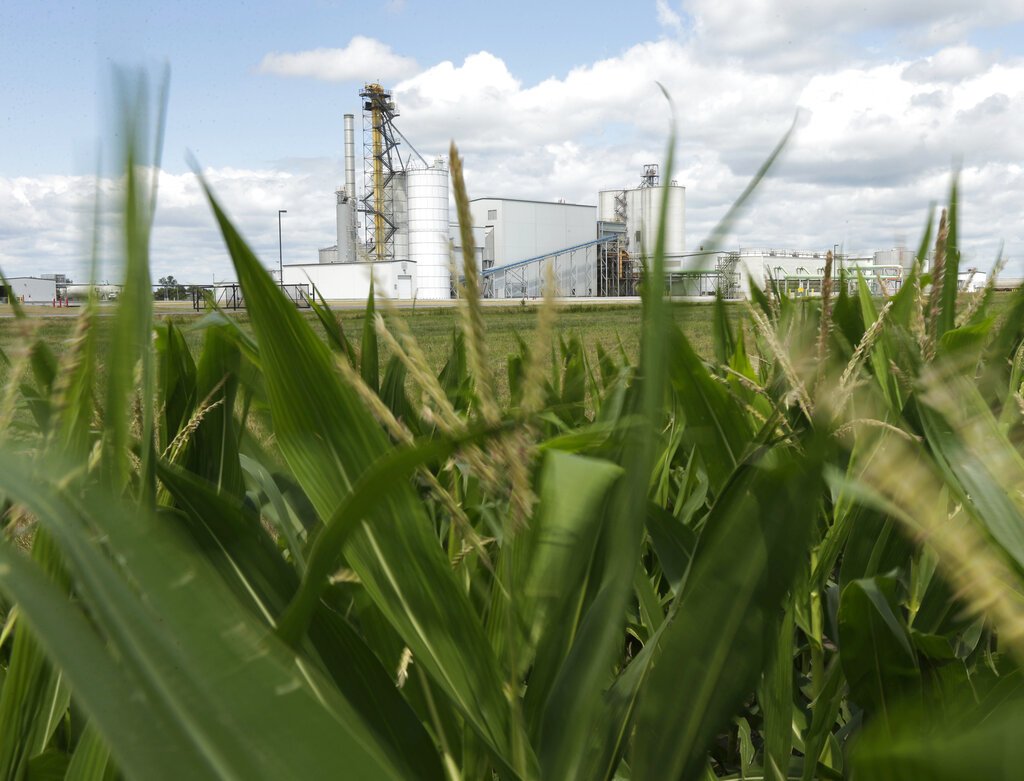
A new study from S&P Global Energy argues that expanding biofuel markets is essential to sustaining America's agricultural edge. The report, cited by members of the Congressional Biofuels Caucus, warns that without new demand, U.S. farmers could face a glut of supply as global population growth slows and traditional fuel use plateaus.
American agriculture already leads the world in efficiency, using advanced seeds, precision tools, and regenerative practices to maximize yields. But the S&P analysis projects that over the next 25 years, slowing population growth will reduce demand for staple crops and conventional energy. Without new outlets, productivity gains could outpace consumption, squeezing farm incomes. Biofuels offer a proven counterweight, the report argues.
Yield Gains Without Expanding Acreage
The study projects that strong biofuel demand could drive U.S. corn yields to grow about 1.6 percent annually through 2050, enabling nearly 50 percent more production without bringing new land into cultivation. Globally, biofuel output could triple, while food and feed supplies would still rise 45 percent above baseline. The United States would capture a growing share of the roughly 940-billion-gallon global liquid fuel market.
Beyond farm income, biofuel production generates valuable co-products like dried distillers grains that feed livestock, keeping meat and dairy prices in check. Ethanol typically costs less than gasoline, helping families and businesses manage fuel expenses. For soybean growers, bio-based diesel represents a key growth market.
Ripple Effects Abroad and at Home
The report notes that stronger biofuel markets in developed nations could bolster food security in less productive regions. African farmers, for instance, currently produce one-fifth of what U.S. farmers do on equivalent land. Reliable demand signals could encourage investment in American-developed technologies overseas.
Conversely, the study warns that uncertainty over demand leads to underinvestment, slower productivity growth, and eventual cropland abandonment—hollowing out rural communities and pushing young people to cities. Innovation stalls.
Lawmakers from the Biofuels Caucus, including Reps. Nikki Budzinski (D-Ill.) and Dusty Johnson (R-S.D.), point to recent wins: House approval of year-round E15 sales—a lower-cost ethanol blend—and bipartisan support for record Renewable Fuel Standard volumes in 2026–2027. They estimate those measures will inject over $10 billion into rural economies, create more than 100,000 jobs, and cut foreign oil imports by roughly 300,000 barrels per day over the two-year period.
“The opportunity is real,” the lawmakers said in a joint statement. “By supporting biofuels, we can strengthen U.S. agriculture’s capacity to feed and fuel the world using fewer resources.”
The S&P study adds economic heft to that argument, suggesting that the bioeconomy could usher in a new era of heartland prosperity—if policymakers maintain momentum. The findings come amid broader debates over American energy independence and rural revitalization, topics that have drawn attention from bipartisan pushes for technological leadership and civic strategies to prevent economic panic.
For now, the report’s bottom line is clear: expanding biofuel markets is not just an energy policy—it’s an agricultural and economic imperative.