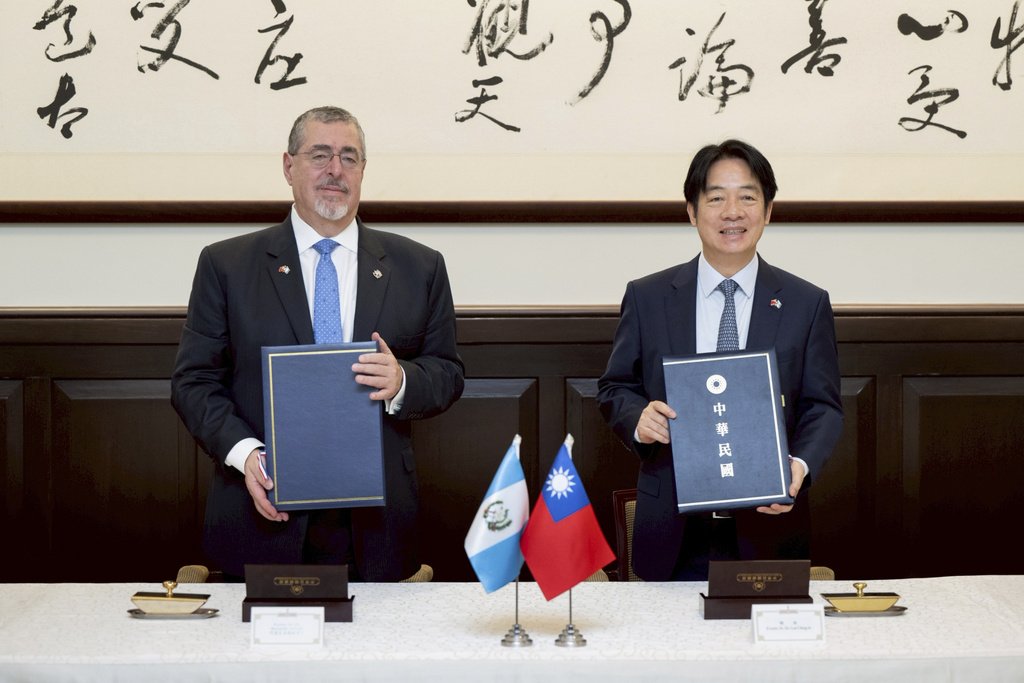
Taiwan President Lai Ching-te has called off a planned visit to Eswatini, the island's sole diplomatic ally in Africa, after three countries along the flight path—Seychelles, Mauritius, and Madagascar—rescinded permission for his aircraft to fly over their airspace. The decision, announced by Taiwan's presidential office, was attributed to what officials described as intense economic pressure from Chinese authorities. Security personnel reviewed alternative routes but ultimately recommended postponement.
The cancellation marks a significant escalation in Beijing's campaign to isolate Taiwan diplomatically. Since Xi Jinping assumed power, the number of nations recognizing Taipei has nearly halved, driven by a mix of economic inducements and coercion. Now, China appears to be targeting transit permissions, a move that could set a dangerous precedent for Taiwan's ability to engage with the world.
None of the three African countries publicly explained their sudden reversal, but Taiwan's account aligns with recent Chinese diplomatic maneuvers. Days earlier, at a summit in Beijing, Xi pledged $60 billion in financial support to African nations, part of a long-standing charm offensive. China's Ministry of Foreign Affairs later expressed high appreciation for the African countries' actions, further fueling suspicions.
This incident underscores a broader trend: Beijing is increasingly willing to deny Taiwan even the most basic forms of diplomacy—face-to-face meetings and handshakes. For decades, Taipei has relied on such engagements to sustain ties with key partners. In 2024, Lai undertook a high-profile tour to the Pacific Islands, offering technical assistance, medical cooperation, and development aid. That visit reinforced Taiwan's value as a partner, but Beijing has been steadily chipping away at its allies. The Solomon Islands, Kiribati, and Nauru all switched recognition to China after being promised funding far exceeding what Taiwan could provide.
Taiwan cannot compete dollar-for-dollar with Beijing. Instead, it relies on values-based diplomacy, championing mutual prosperity and shared democratic principles. Palau serves as a model: President Surangel Whipps Jr. attended Lai's inauguration, and Lai later visited Palau, deepening ties through development assistance and advocacy at regional forums. Direct engagement also helps Taiwanese leaders connect with overseas communities, as seen when Lai's 2023 transit stop in San Francisco drew crowds waving flags and chanting support.
Yet Beijing is quietly closing off these avenues. This is the second time in a year Lai has been forced to cancel a visit. Last June, the Trump administration reportedly did not approve stopovers in New York and Dallas, apparently to avoid disrupting trade talks with Beijing. Such deference risks normalizing a subtler form of coercion.
The democratic world now faces a choice: defend the principle that free societies can engage one another without autocracies' approval, or watch as Beijing continues to pick off Taiwan's remaining allies. As one analyst noted, this pattern reflects a troubling trend, and China will not stop here.
Allen Zhang is a researcher at the Heritage Foundation's Asian Studies Center.