Sen. Jim Banks (R-IN) is pushing legislation to overturn the Supreme Court's recent birthright citizenship decision, arguing that illegal immigration constitutes a foreign invasion and that children of such invaders should not automatically become U.S. citizens.
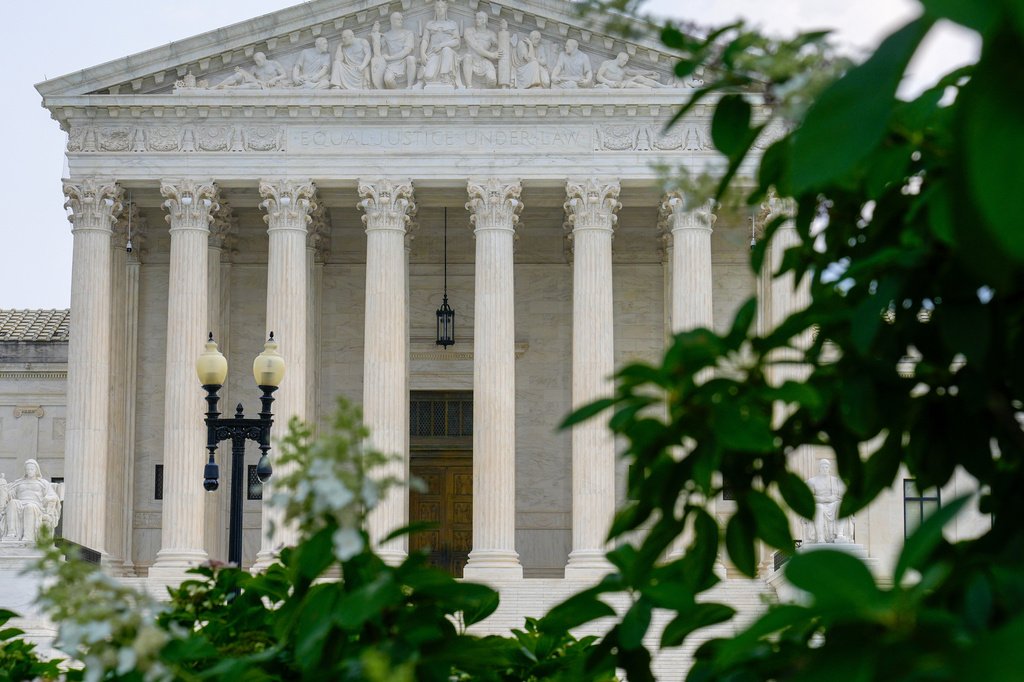
The Citizenship Act of 2026 comes in response to the high court's ruling in Trump v. Barbara, which affirmed that children born on U.S. soil to parents who are in the country illegally or even visiting as tourists are entitled to birthright citizenship under the 14th Amendment. Banks called the decision "legally perverse" and compared it to Roe v. Wade.
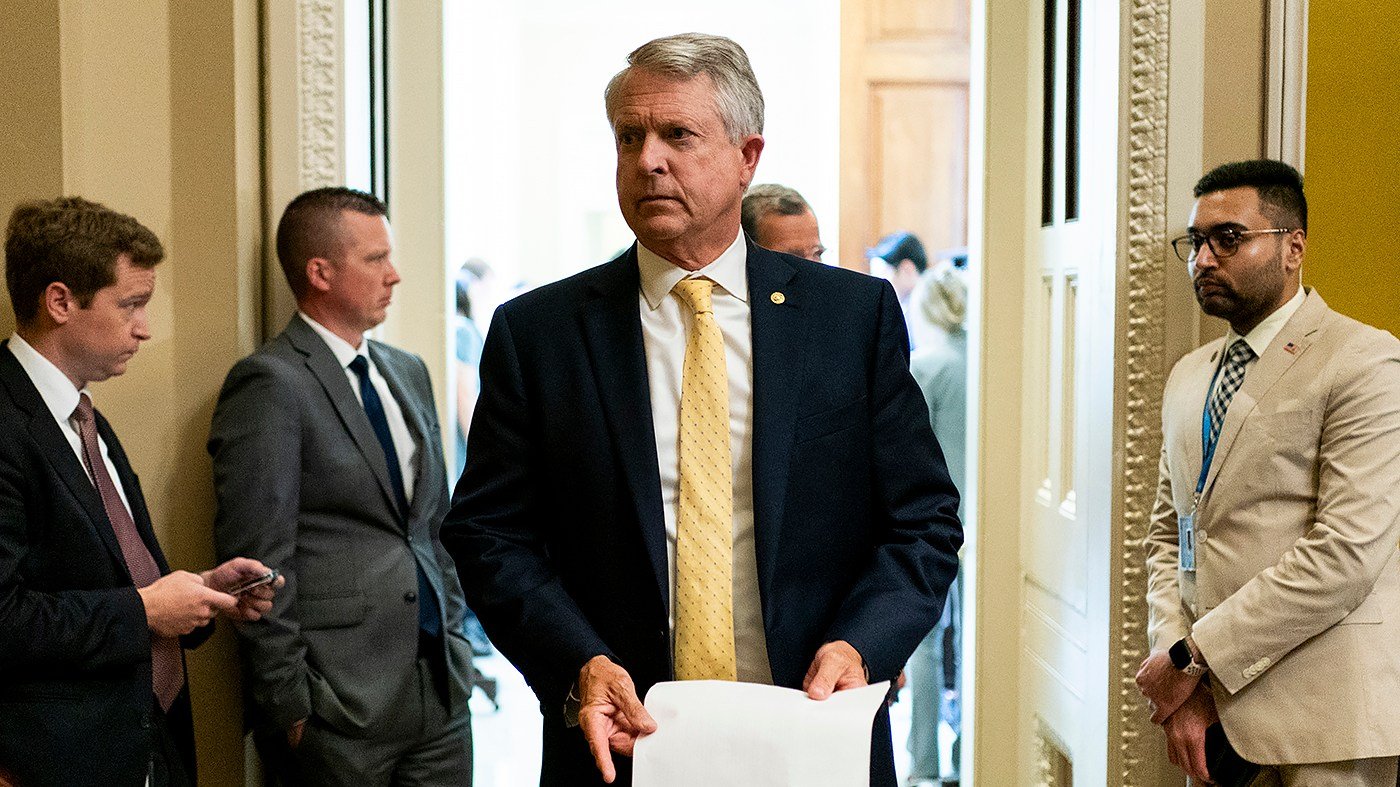
"The fate of our republic rests on being able to minimize the damage the court has inflicted upon the country," Banks said in a statement. "If the reward for illegal immigration is birthright citizenship, then why bother with borders and rules at all?"
Banks's bill would declare illegal mass migration a foreign invasion, invoking Article IV, Section 4 of the Constitution, which requires the United States to protect states against invasion. It also cites Congress's power under Article I, Section 8 to establish a uniform rule of naturalization. The senator argued that the Supreme Court's interpretation opens the door for Congress to define who qualifies as an invader and thus who is excluded from birthright citizenship.
The legislation would codify President Trump's day-one proclamation that the surge of migrants under the Biden administration—including cartel members, violent criminals, and terrorists—amounts to an invasion. Banks also highlighted the practice of birth tourism, noting that up to 1.5 million Chinese nationals have obtained U.S. citizenship through surrogacy, a trend he says is encouraged by the Chinese Communist Party.
"Children of foreign invaders born on U.S. soil are not entitled to birthright citizenship under the 14th Amendment," Banks asserted. He pointed to the fact that all nine current justices agreed that the political branches—not the courts—get to determine who is a foreign invader.
Banks's proposal comes amid broader debates over immigration policy and the role of the judiciary. The senator framed the issue as existential: "Benjamin Franklin once remarked that we will have a republic only if we can keep it. We will be able to keep our republic safe and secure if we can see the illegal immigration and birthright citizenship crisis for what it really is: a foreign invasion meant to destroy not only what it means to be an American, but America itself."
Critics are likely to challenge the bill as an overreach, arguing that birthright citizenship is a settled constitutional principle under the 14th Amendment's Citizenship Clause. However, Banks insists that the national interest demands action. "If we fail to act, America as we know it might not get to see its 251st birthday," he warned.
The bill has little chance of passing a divided Congress, but it signals the intensity of the political battle over immigration and citizenship that will likely continue into the next election cycle.