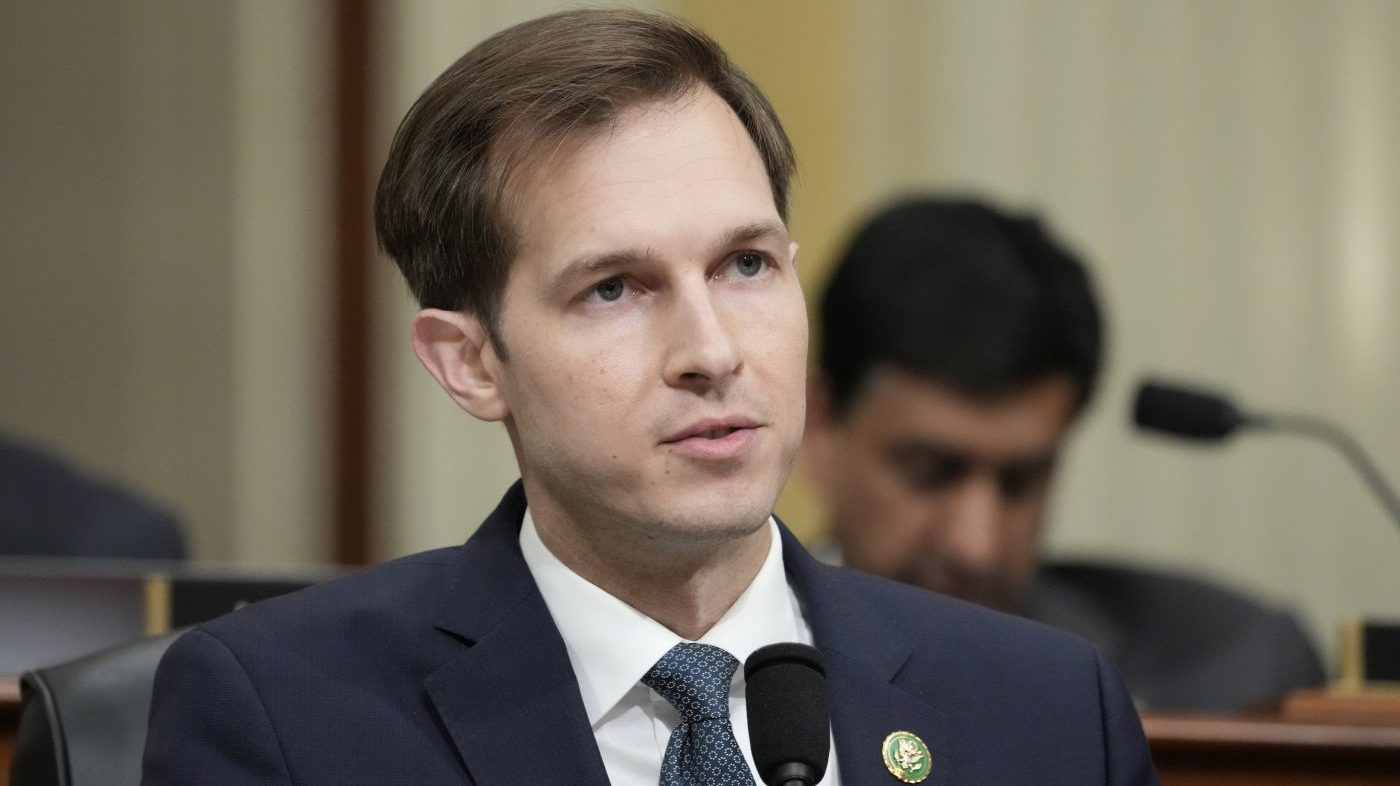
Representative Jake Auchincloss (D-Mass.) made the case on Sunday that artificial intelligence could be a key tool in bringing down healthcare costs, tapping into a top voter concern from the recent election cycle. Appearing on "Fox News Sunday," Auchincloss said that "the number one thing Americans want Congress to do is lower health care prices," and he believes AI holds part of the answer.
"I actually think AI can help do that. I see it in Massachusetts," said Auchincloss, who is a member of the Telehealth Caucus. He pointed to a recent visit to UMass Memorial Hospital, where a digital hub uses telehealth and medication management tools to keep chronically ill patients out of emergency rooms and intensive care units. "[They are] getting better outcomes for them in a way that lowers prices for all," he explained.
The congressman's remarks come as Democrats prepare to take control of the House with a focus on economic issues. Auchincloss has been an active voice in AI policy discussions, having previously urged Congress to take a proactive approach to regulation. In 2023, shortly after OpenAI released ChatGPT, he told The Hill that lawmakers should act before the technology outpaces oversight.
During the same interview, Auchincloss proposed a novel funding mechanism for workforce development: raising corporate taxes on AI companies to finance the construction of 1,000 new trade schools across the country. "Every time a company is building a data center, they should be building ten trade schools," he said, emphasizing the need for skilled tradespeople like plumbers and electricians. He noted that trade schools in his home state are "oversubscribed," with parents and students recognizing their value.
The push for AI-related legislation is gaining traction among House Democrats. Following the November midterms, the party secured its largest House majority in three decades, and some lawmakers see an opportunity to pass measures addressing both technological advancement and everyday costs.
Representative Brad Schneider (D-Ill.) echoed Auchincloss's optimism about AI's potential, suggesting it could improve healthcare, agriculture, and job opportunities. In an interview with "The Hill Sunday," Schneider said the Democratic agenda should focus on making "it easier for people not just to make ends meet," while ensuring "America continues to lead on frontier technologies."
"Using AI to improve Americans' healthcare, to improve opportunities, economic opportunities and jobs, to improve production of food and agriculture," Schneider said. "All of these go hand in glove, and that's what we're going to focus on."
As the new Congress convenes, the intersection of AI innovation and cost-of-living pressures is likely to be a central theme. Lawmakers like Auchincloss are betting that embracing technology can yield concrete benefits for constituents, from lower medical bills to new career pathways.