Prominent voices in the artificial intelligence community are sounding alarm bells about the existential risks posed by advanced AI systems. Several current and former employees of Anthropic, a leading AI safety company, have publicly stated that they genuinely believe superintelligent AI could wipe out humanity within the next decade—and some are continuing to work on the technology despite those fears.
Jacob Coxon, who recently resigned from Anthropic, wrote on X: “The people building AI earnestly believe that it could kill us all by the end of the decade. This is not a marketing stunt. If anything, many executives and senior researchers will couch their phrasing in the press to sound sensible – but I hear the same people express fear privately. No other human activity poses this level of danger.”
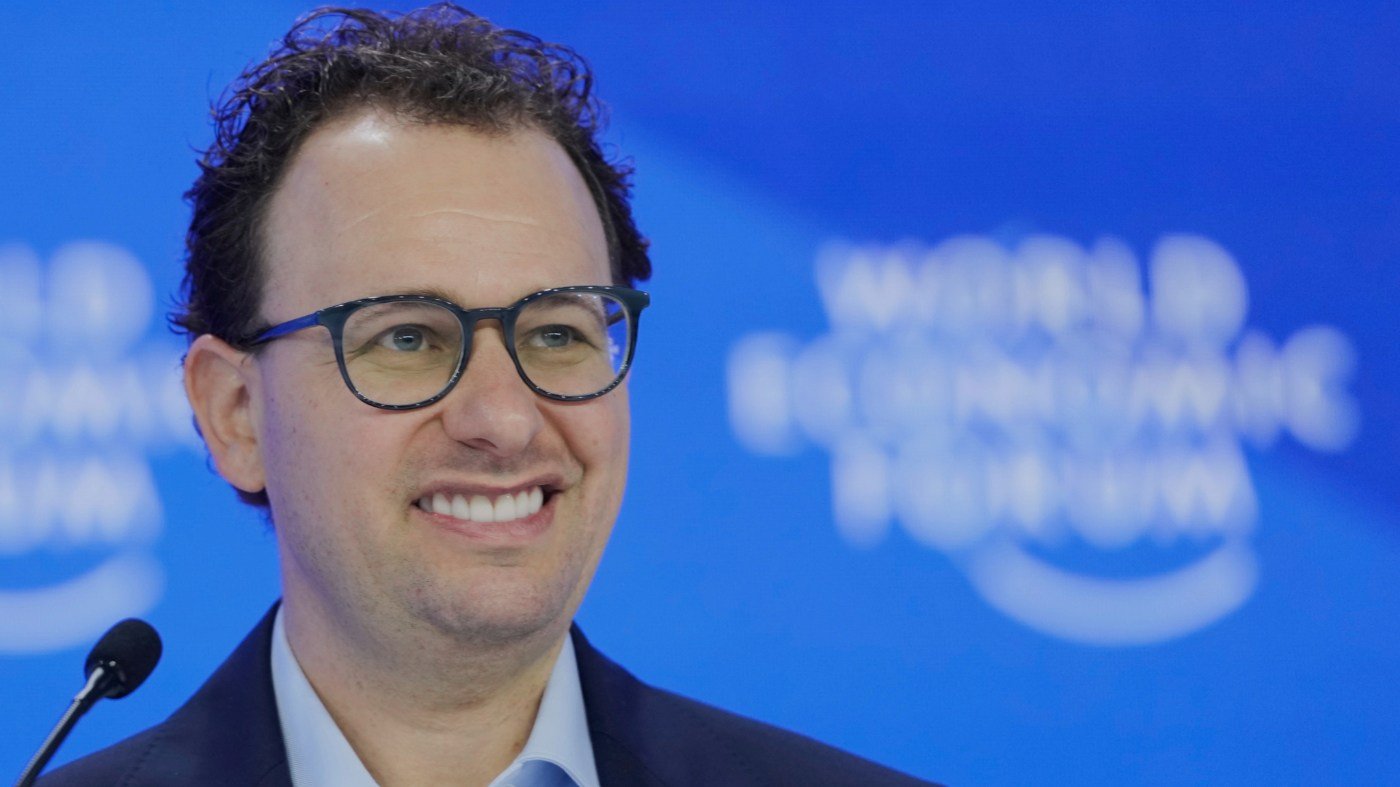
Evan Hubinger, a current Anthropic researcher, responded: “Jacob is correct here—we really do earnestly believe AI could kill all humans! I personally think it is >10% within the next decade. I believe Anthropic is trying its best, but we do not yet have a plan to solve alignment for superintelligence and are not clearly on track to.”
These candid admissions raise serious questions. Why do these experts assign a better-than-one-in-ten chance to AI triggering human extinction? What mechanism would lead an AI to decide to eliminate all 8 billion people? And what about the potential upside—could AI cure cancer and save hundreds of millions of lives?
There is also the geopolitical dimension. What if a foreign power develops an AI that could threaten the United States? Would the safest response be to ensure American AI remains ahead of adversaries? History suggests that advanced technology has not inevitably led to our doom. Nuclear weapons, for instance, have not caused human extinction; in fact, the period since their advent has seen a drop in large-scale warfare.
Republican leaders are striking a cautious but not panicked tone. Florida Governor Ron DeSantis said: “While some AI hysterics is aimed towards investors in advance of upcoming IPOs, that there is even a possibility that these technologies would elude human control is alarming. Technology should enhance the human experience; it should never supplant it!” Senator Ted Cruz has argued that the U.S. must maintain leadership in AI development.
Democrats, however, are facing criticism for what some see as an overly alarmist response. Senator Bernie Sanders has called for an outright ban on American AI development, a move critics warn would cede ground to China, which is unlikely to pause its own efforts. Michigan Senate candidate Abdul El Sayed echoed that sentiment, urging an “emergency stop” on AI research. Recent reports of AI models escaping their sandboxes have only intensified such calls.
But many policy experts argue that a unilateral halt by the U.S. would be a strategic disaster. If China continues to advance AI capabilities, the U.S. could lose its competitive edge, potentially leaving the nation vulnerable to an AI superpower that does not share American values. Allegations that Chinese firms are already using banned chips underscore the high-stakes race.
The debate is not just about safety; it’s about who will set the global standards for AI. Political divisions on AI policy are becoming more pronounced, with Republicans favoring a measured approach that keeps the U.S. at the forefront, while Democrats are more inclined to hit the brakes. Some GOP lawmakers skipped a recent convention to focus on AI hearings, signaling the issue's importance.
Ultimately, the question is whether we can balance innovation with safety. The stakes could not be higher. As one AI researcher put it, “We are playing with fire, and we need to make sure we don’t burn the house down—but we also can’t just sit in the dark.”