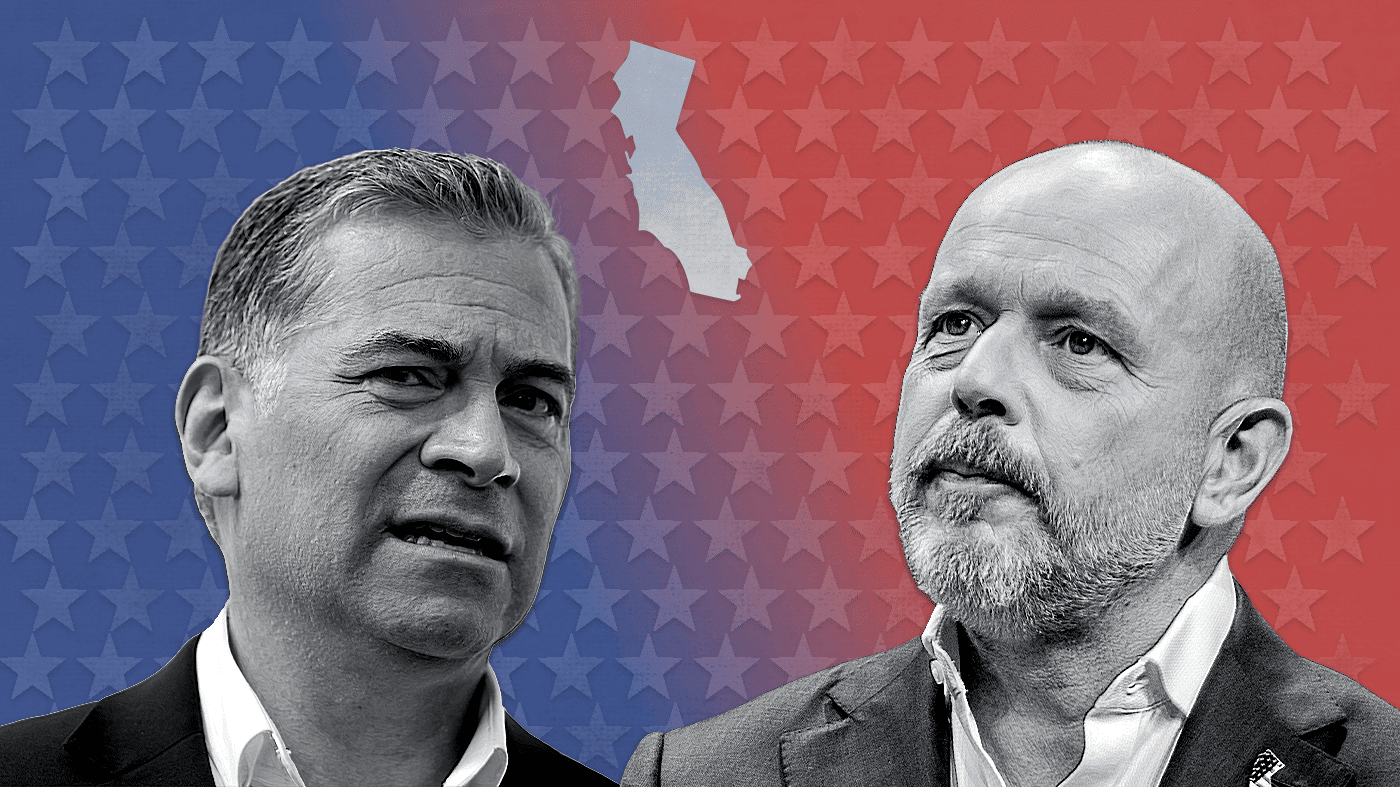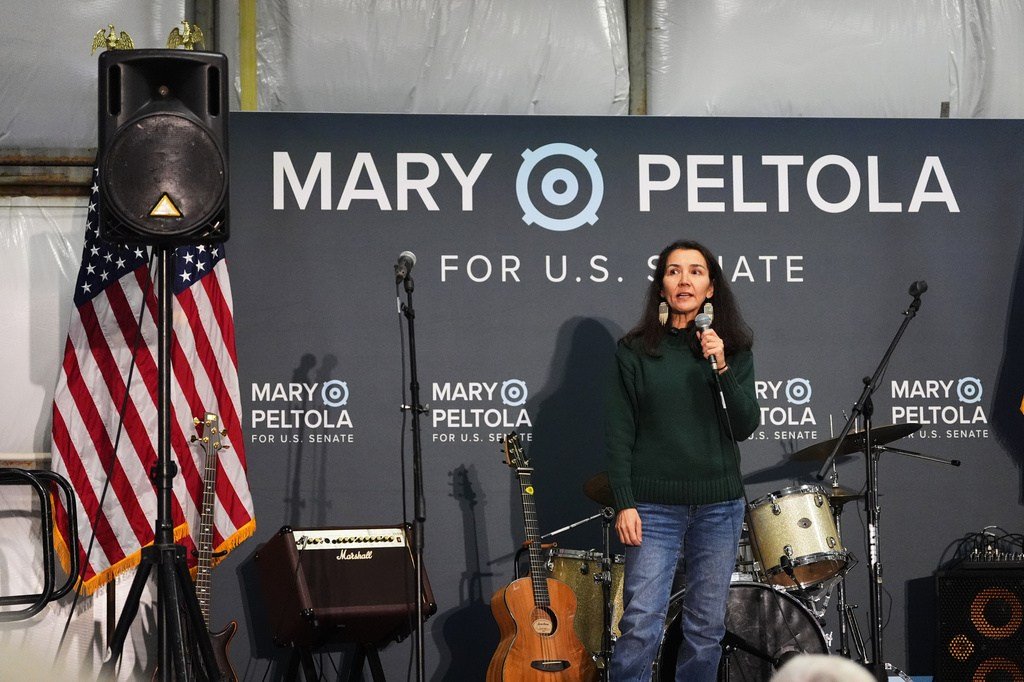
Democrats' stated alarm about threats to democracy—85 percent in a recent Pew Research Center survey—rings hollow when the party itself is deploying cynical tactics that undermine the electoral process. The latest example comes from Alaska, where a New York Times investigation alleges that Democratic Senate candidate Mary Peltola and her allies worked for months to recruit a namesake challenger to Republican incumbent Dan Sullivan.
The plan, according to the Times, involved finding an Alaskan named Dan J. Sullivan, persuading him to file as a Republican, and then having him switch to "undeclared." Under Alaska's ranked-choice voting system, the alternative Sullivan made the general election ballot, potentially siphoning votes from the real incumbent. Peltola and the Democratic Senatorial Campaign Committee deny involvement, but the investigation casts doubt on those denials. State officials have stepped in to clarify which Sullivan is the sitting senator.
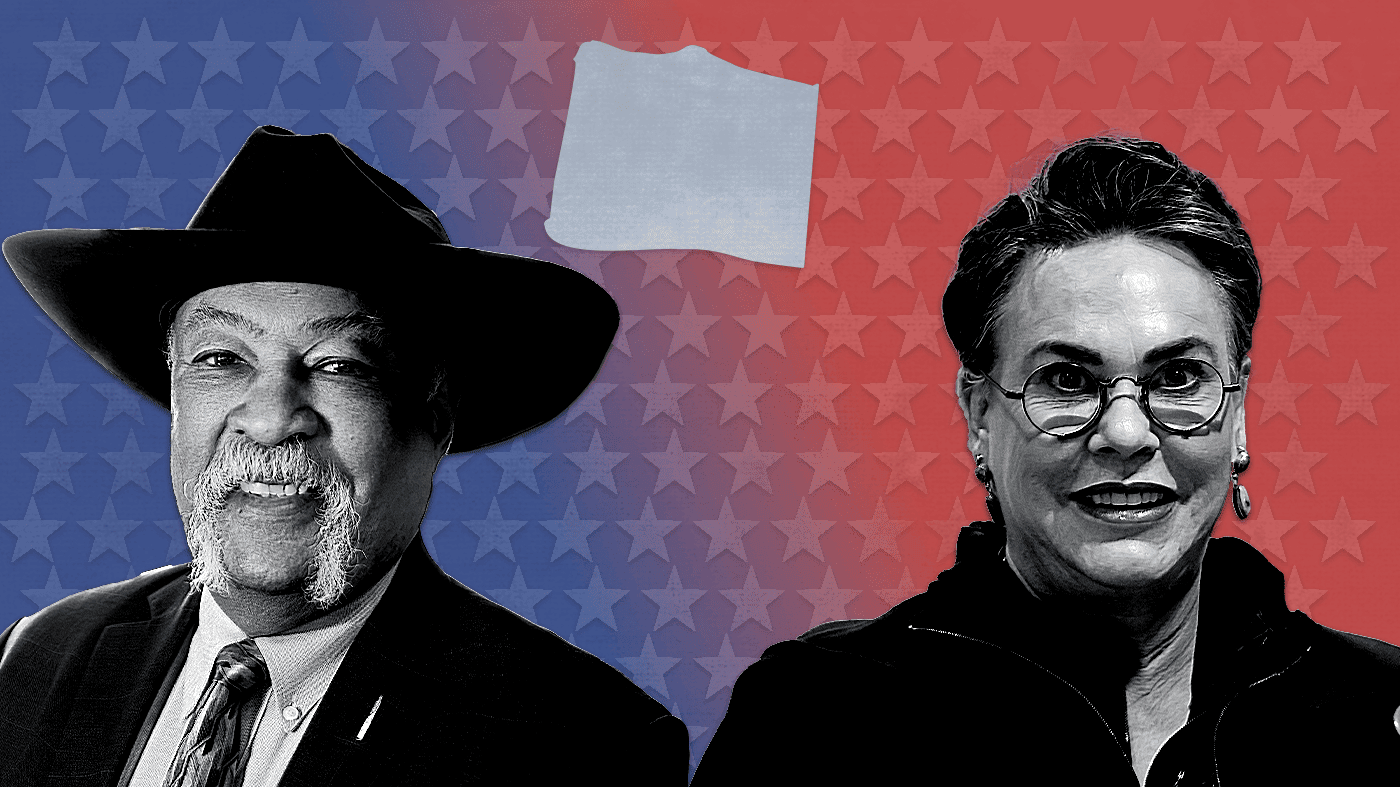
This isn't an isolated incident. In Montana, Democratic nominee Alani Bankhead—a retired Air Force lieutenant colonel and federal agent—says she received a flood of positive ads and mailers from a mysterious PAC before the primary. After she won, the support vanished. Bankhead believes Democrats were propping her up to persuade her to drop out and clear the way for independent Seth Bodnar, a moderate seen as a stronger challenger to Republican Kurt Alme. Bankhead has refused to step aside, and polls show Alme leading.
Such "ballot stacking" isn't new. The Wall Street Journal notes a 1998 Georgia race where Republicans ran a John H. Lewis Jr. against civil rights icon John Lewis—a move that backfired. But Democrats have also engaged in the practice, and the Alaska case is particularly brazen because it exploits ranked-choice voting.
Another questionable Democratic strategy emerged in 2022, when the party spent millions boosting far-right MAGA candidates in GOP primaries, hoping to face weaker opponents in the general election. The Washington Post documented this in governor's races in Illinois, Maryland, and Pennsylvania, with ads that sometimes sounded like attacks but were designed to rally conservative voters behind unelectable candidates.
Perhaps the most notorious example is the Clinton campaign's funding of the Steele dossier. In 2022, the Federal Election Commission fined the DNC and the Clinton campaign $113,000 for misreporting the purpose of those payments.
These tactics may not be illegal, but they're deeply cynical and erode public trust. With Republicans launching investigations, the coming months could bring more scrutiny. Meanwhile, voters are left wondering whose democracy Democrats are really protecting.