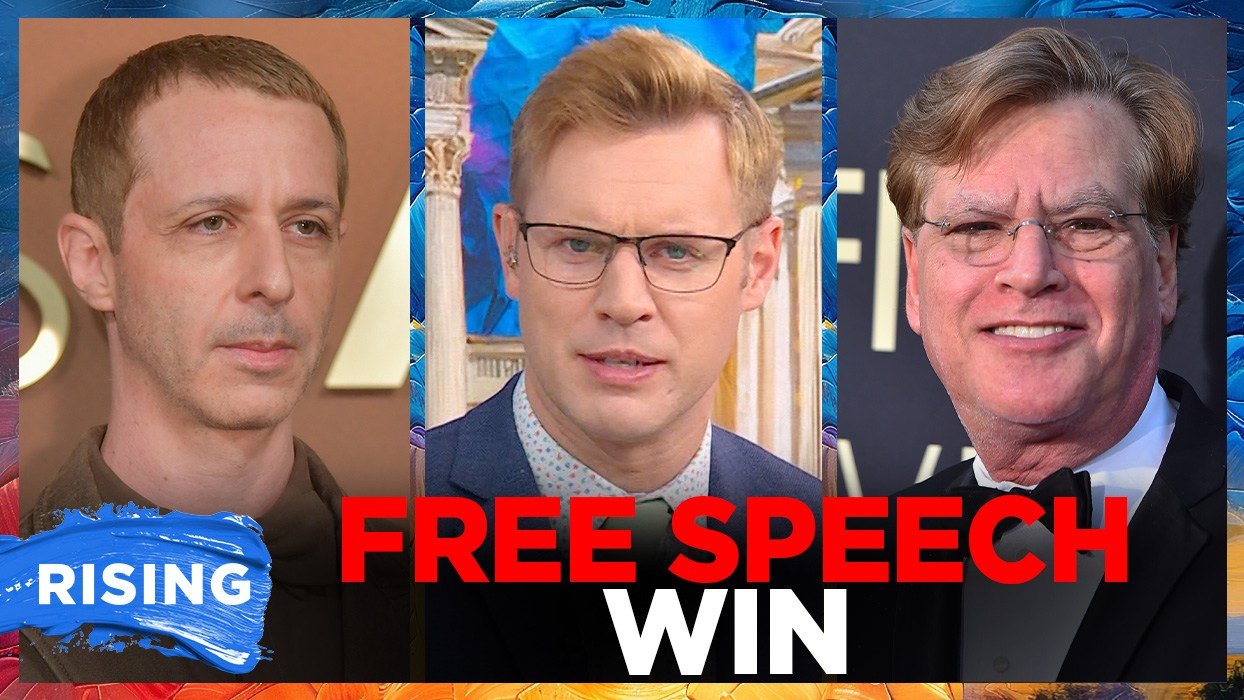
Film critics and political junkies alike are buzzing about a surprising moment in the trailer for Aaron Sorkin's upcoming drama The Social Reckoning. The film, a sequel of sorts to The Social Network, aims to paint Facebook and its founder as villains in the saga of social media's impact on democracy. But the preview features actor Jeremy Strong, playing Mark Zuckerberg, delivering a passionate defense of free speech on the platform—a speech that, to many viewers, sounds more like a hero's rallying cry than a villain's confession.
Sorkin, best known for The West Wing, has long been a vocal critic of Facebook. In 2019, he penned an open letter to Zuckerberg in The New York Times, accusing the company of "assaulting the truth." His new film focuses on the so-called Facebook Papers, the 2021 leak by whistleblower Frances Haugen that alleged the company knew its products harmed some users, particularly teenage girls on Instagram. At the time, many dismissed the revelations as a "big fat nothingburger," and the trailer suggests the film may struggle to make the case stick.
But the real twist is that Strong's Zuckerberg, in the trailer, makes a compelling argument against heavy-handed moderation. He contends that platforms should not be the arbiters of truth, and that users should be trusted to navigate information themselves. This is a position that resonates with many Americans, who have grown wary of tech companies policing political speech under the guise of fact-checking. The film's intended critique may backfire, as audiences might find themselves agreeing with the "villain."
The debate over content moderation has shifted dramatically in recent years. Once, Facebook and other platforms aggressively enlisted fact-checkers to label and suppress alleged misinformation, often with biased results. That approach has largely been abandoned, as public pressure and legal challenges have mounted. Today, companies are more likely to let users decide for themselves, a stance that aligns with the free-market, pro-tech sentiment gaining traction in Washington.
This cultural moment is not just about Facebook. The same skepticism of regulation extends to the broader tech sector, including data centers and artificial intelligence. At a recent "Data after Dark" event, attendees celebrated the expansion of data infrastructure, brushing off concerns about water usage as "hysterical" and "discredited." The mood reflects a growing consensus that technological progress should not be stifled by precautionary fears.
Political leaders, including former President Trump, have echoed this pro-tech stance, urging the country to "let data reign." The pushback against regulation is not limited to social media; it is part of a larger movement to reduce government interference in innovation. As debates over free speech on campuses continue, the issue of online expression remains a flashpoint in American politics.
Sorkin may have intended The Social Reckoning as a warning, but the trailer suggests it could inadvertently become a defense of the very platform it seeks to condemn. If audiences leave the theater cheering for Zuckerberg, the film's message will be lost, and the pro-free-speech, pro-tech movement will have found an unlikely ally in a Hollywood blockbuster.
As the release date approaches, political observers will be watching to see whether the film's narrative can overcome its own trailer. In an era where political figures are staking out positions on tech regulation, the movie's reception could influence public discourse. For now, the trailer has achieved something Sorkin likely never intended: making a persuasive case for why social media should remain open and free.