Twenty-five years after the September 11 attacks, the United States has undergone profound transformations that have fundamentally altered its political and social fabric. These changes — the rise of social media, a revolution in traditional media, instant partisan blame games, a crisis of trust in government, and the widest economic disparity in three decades — have created a level of polarization that makes the kind of national unity seen after 9/11 nearly impossible to replicate.
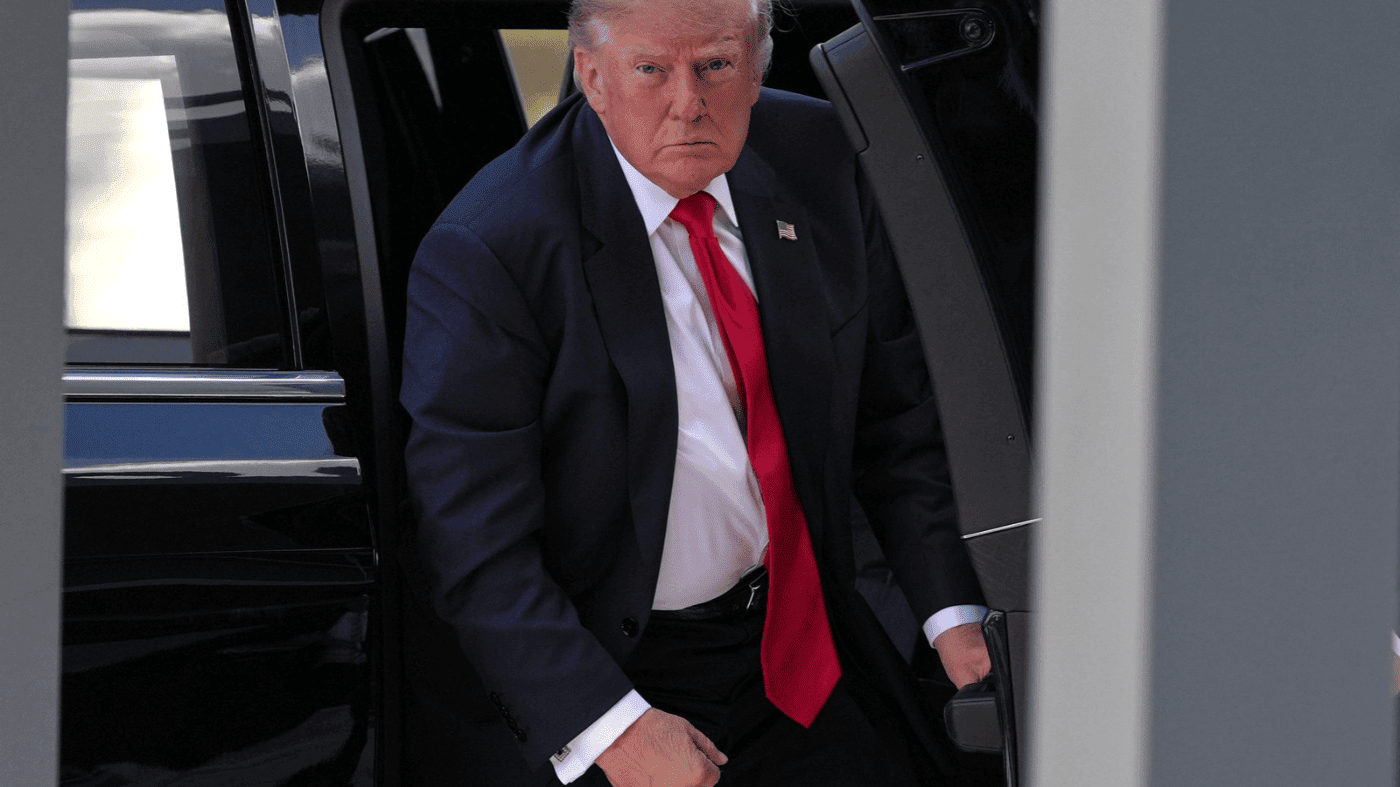
The contrast is starkly illustrated by presidential approval ratings. In the weeks before 9/11, President George W. Bush's approval averaged 53 percent. In the immediate aftermath, it soared to 86 percent, then 90 percent, and by October 10, 2001, reached a record 92 percent. Bush's approval remained in the 80s until March 2002. Today, President Trump's approval averages around 38 percent — a gap that underscores how unlikely unity would be after a similar attack.
The Social Media Revolution
The most significant driver of disunity is social media, which has transformed how information is created and consumed. Anyone can now act as a reporter, spreading unverified claims and falsehoods. Social media engagement has overtaken traditional news consumption, and many influencers command larger audiences than broadcast and cable channels. This fragmentation means people live in information silos, receiving news filtered by their own biases. Different interpretations of the same event go viral, fostering conspiracies and reinforcing us-versus-them mentalities.
Traditional Media's Decline and Partisan Blame Games
Traditional media has also been radically diminished. Cable news channels now cater to their audiences' expectations, with coverage that is often diametrically opposed — as seen in the divergent coverage of Trump-related stories on outlets like MS Now versus Fox News. This bipolar media environment fuels the blame game that now follows any major event. Officials from both parties immediately spin events for partisan advantage, with the president blamed instantly and allies deflecting with talking points. The January ICE shootings in Minneapolis are a recent example of this destructive dynamic.
In today's climate, a 9/11-scale attack would likely trigger a full-scale blame game rather than national unity, especially given the crisis of trust in government. A recent AP-NORC study found that 6 in 10 U.S. adults have low trust in information from the federal government. This distrust complicates crisis response, as seen in the Iran war, where the Pentagon has been accused of withholding information about casualties and costs.
Economic Disparity and Fragile Unity
Finally, economic inequality is at its widest in three decades. Federal Reserve data confirms that the rich are getting richer while the poor struggle. The American Dream seems increasingly out of reach, and such disparities make it harder for citizens to rally together in times of crisis.
As America remembers the heroism and unity of 9/11, it is clear the nation has changed. The post-9/11 anti-terrorism measures have held, but the fundamental shifts in media, politics, government, and the economy are not conducive to national unity. Yet, hope remains — as evidenced by the thriving lower Manhattan that rose from the ashes. The question of whether Americans could unite again remains open, but the odds appear slim.