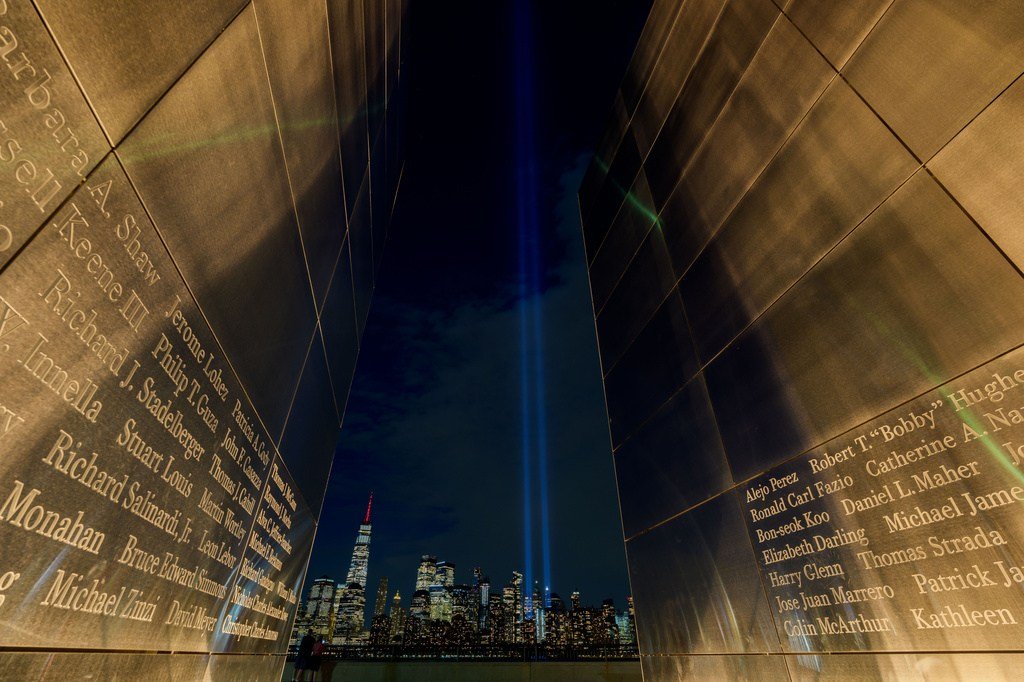
Twenty-five years after the Sept. 11 attacks, the United States has undergone profound transformations that have fundamentally altered its political and social fabric. Five key developments—the rise of social media, the reshaping of traditional media, instant partisan blame games, a collapse in public trust in government, and the widest economic inequality in three decades—have combined to create a level of polarization that makes the unity of 2001 seem like a distant relic.
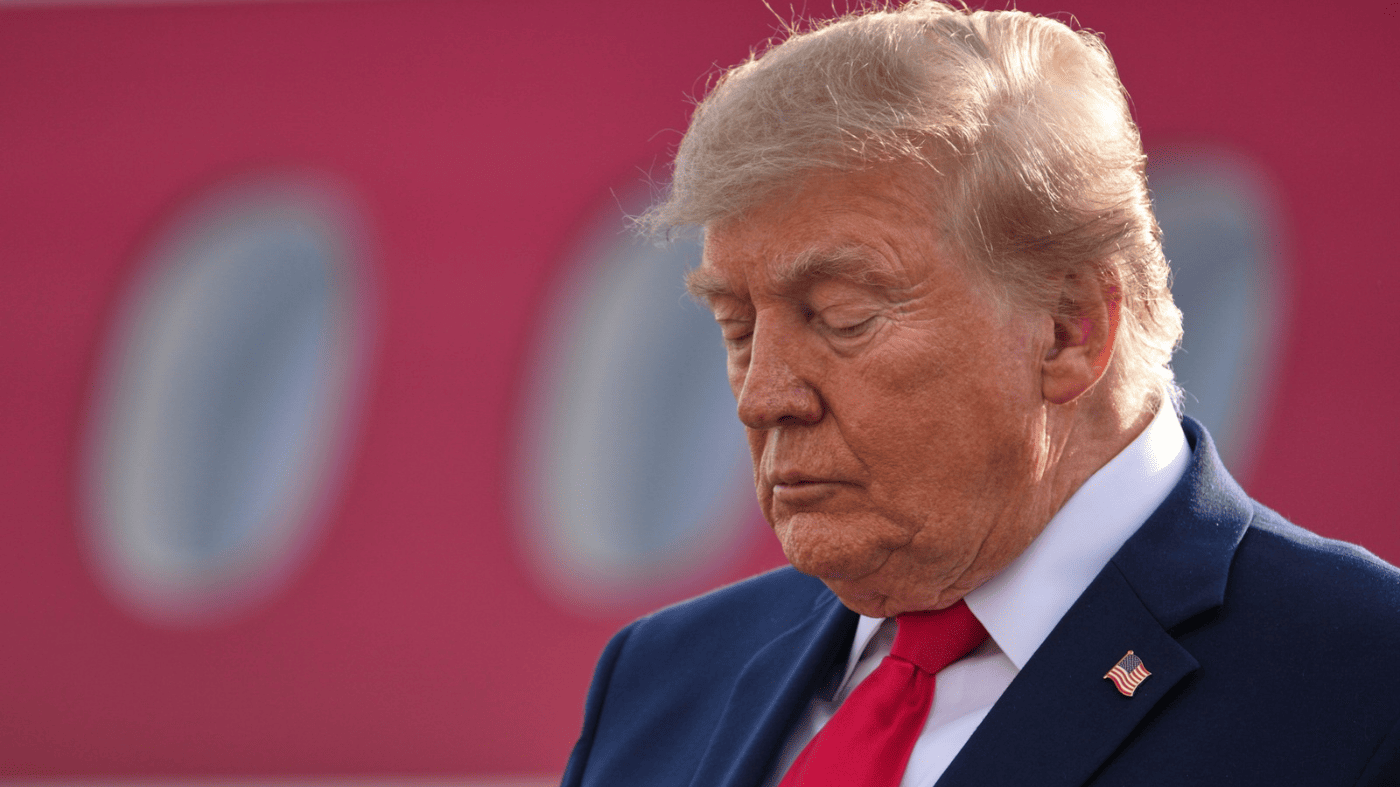
The contrast is starkly illustrated by presidential approval ratings. In the weeks before 9/11, President George W. Bush's approval averaged 53 percent, according to Gallup. Immediately after the attacks, his ratings soared to 86 percent, then to 90 percent, and by October 10, 2001, an ABC News poll recorded a staggering 92 percent—a record for both Gallup and ABC. Bush's approval remained in the 80s until March 2002. In comparison, President Trump's current average approval is just 38 percent, fifteen points below Bush's pre-9/11 numbers. That gap underscores how difficult it would be for any president to rally the nation today after a comparable crisis.
The single most disruptive force has been social media. Anyone can now broadcast unverified claims, falsehoods, and exaggerations to a global audience. Social media engagement has overtaken traditional news consumption, and many influencers command larger followings than cable news programs. This fragmentation has shattered the shared information ecosystem that once allowed Americans to see the same facts. Instead, people live in information silos, curating feeds that reinforce their existing beliefs. As a result, vastly different interpretations of the same event go viral, breeding conspiracy theories and making it nearly impossible for a catastrophic event to forge a common national narrative.
Traditional media has also been transformed. Cable news outlets now cater to partisan audiences, with networks like MSNBC and Fox News delivering sharply divergent coverage of the same events. This bipolar media landscape reinforces the us-versus-them mentality that pervades American politics. When a major event occurs, officials from both parties immediately spin it for partisan advantage, amplified by their media and social media allies. The January shooting in Minneapolis involving ICE agents was a recent example of this instant blame game, with each side rushing to frame the narrative before facts were fully known.
Trust in government has eroded dramatically. A recent AP-NORC study found that 6 in 10 U.S. adults have low trust in information from the federal government. This crisis of confidence would severely hamper any attempt to unify the country during a 9/11-scale attack. For instance, the Pentagon has been accused of withholding information about casualties and damage in the Iran conflict, further eroding public confidence. A democracy depends on public trust, especially in perilous times, and its absence has problematic consequences.
Economic disparity adds another layer of division. Federal Reserve data confirm that the rich are getting richer while the poor are getting poorer, and the American Dream feels increasingly out of reach for many. While wealth inequality is not new, it has become more pronounced, making it harder for Americans to see themselves as sharing a common fate. Would a nation where millions struggle to make ends meet rally together in the face of a major attack? The answer is uncertain.
As the nation marks the 25th anniversary of 9/11, it is a different country. Fortunately, the anti-terrorism measures put in place after the attacks have held, and we pray they continue. Yet the fundamental changes in media, politics, government, and the economy are not conducive to national unity. Still, America has always been a land of hope. Lower Manhattan, once a scene of devastation, is now a thriving testament to resilience. Perhaps that spirit can one day bridge the divides that now seem so entrenched.