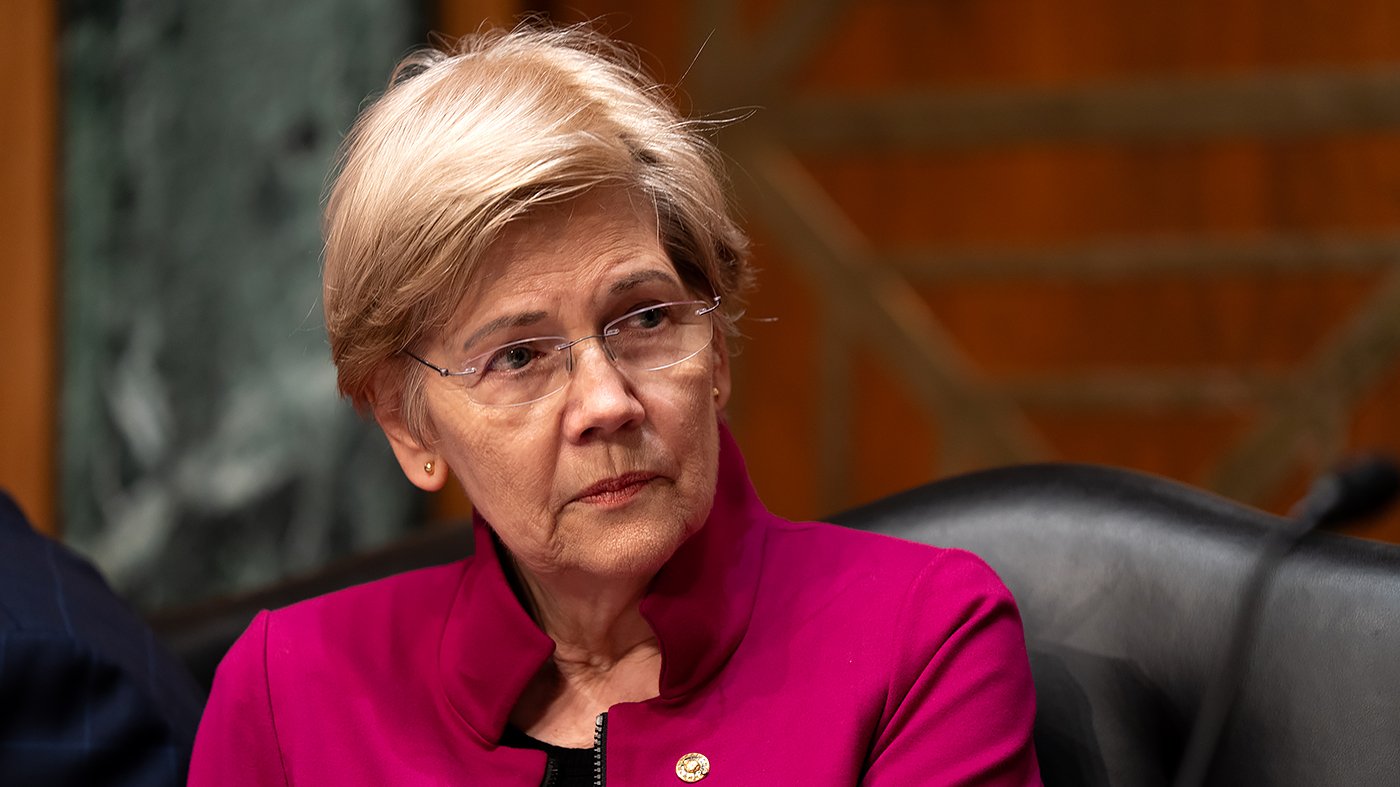
Sen. Elizabeth Warren (D-Mass.) has pulled her support for Graham Platner, the Democratic challenger in Maine’s Senate race, and is calling on him to withdraw after a fresh report accused him of sexually assaulting a woman he dated in 2021. The move marks a significant shift for Warren, who had been one of the most prominent progressive backers of Platner’s bid to unseat Republican Sen. Susan Collins.
In a statement released Tuesday, Warren said the party needs a candidate who reflects its values, especially in a race seen as critical to Democratic hopes of reclaiming the Senate majority. “Now more than ever we need leaders in Washington who reflect our values,” Warren said. “There can be no tolerance for sexual assault. Working families are counting on Democrats to win the Senate election in Maine to unrig our economy and hold Donald Trump accountable. With so much at stake, the best path forward is for Graham Platner to step aside as the Democratic nominee and address these serious allegations outside this Senate race.”

The new allegation, first reported by a local news outlet, adds to a growing list of controversies that have dogged Platner, an oyster farmer and political newcomer. Earlier this year, resurfaced online posts showed him using crude language, and he faced scrutiny over a tattoo resembling a Nazi symbol that he later covered up. Most recently, his wife, Amy Gertner, reportedly discovered sexually explicit texts Platner had sent to other women during their marriage. Many Democrats have now abandoned Platner, fearing the scandals could cost them a winnable seat.
Despite the backlash, Platner has denied the latest assault claim. His campaign did not immediately respond to a request for comment, but in previous statements he has called the allegations part of a smear campaign by political opponents. However, the mounting pressure has made it increasingly difficult for him to maintain support. A recent poll found that 75% of Maine voters want Platner to exit the race following the new allegations, signaling a steep uphill climb for his candidacy.
Warren’s decision to withdraw her endorsement follows similar moves by other Senate Democrats. Sen. Chuck Schumer (D-N.Y.) and Sen. Kirsten Gillibrand (D-N.Y.) have also demanded Platner step aside, arguing that the party cannot afford to nominate a candidate facing such serious accusations. The coordinated pressure reflects a broader concern among Democratic leaders that Platner’s presence on the ballot could jeopardize their chances in a state where Collins has proven resilient.
Platner’s campaign was once seen as a bright spot for Democrats, who have targeted Maine as a pickup opportunity in their fight for Senate control. He had drawn national attention and significant fundraising, with Warren endorsing him in March and praising his “grit to fight for what’s right on behalf of Maine’s working families.” But the cascade of scandals has eroded that support, leaving the party scrambling for a replacement candidate with less than six months until the election.
The situation has also sparked broader debate among Democrats about vetting and candidate selection. Some progressives argue that Platner’s troubles are being used to undermine a populist challenger, while moderates say the party must prioritize electability. For now, the focus remains on whether Platner will heed Warren’s call and exit the race, or force a messy primary fight that could further divide the party.
As the story continues to unfold, Warren’s statement underscores the high stakes involved. With the Senate evenly split, every competitive race matters, and Democrats are wary of any candidate who could drag down the ticket. Whether Platner steps aside or not, the episode has already reshaped the dynamics of the Maine contest, leaving voters and party officials alike watching closely.