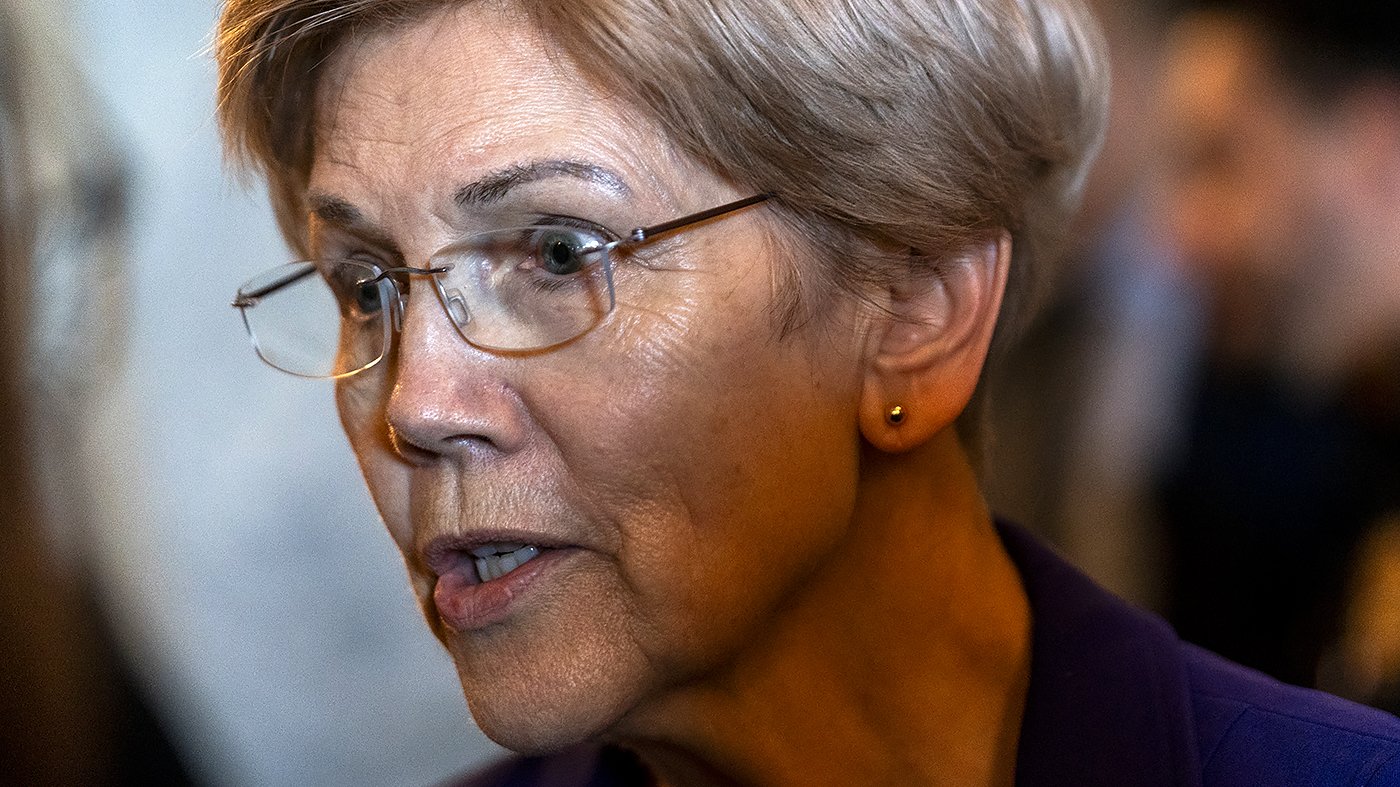
Sen. Elizabeth Warren (D-Mass.) is pushing for a major overhaul of the U.S. tax code to directly tax artificial intelligence companies, arguing that the windfalls from AI should be shared broadly rather than concentrated among a wealthy elite.
In an op-ed published Wednesday in TIME Magazine, Warren wrote, “Building an economy that works for all of us will require multiple policy responses. But it starts by acknowledging: it’s time to tax AI and invest in people.” She added, “Taxing AI is one way we make sure the winnings from AI benefit all Americans, rather than channeling them only to the wealthy few.”

Warren’s proposal includes a direct excise tax on AI data centers, structured to scale with their energy consumption. “A well-designed tax would focus on the companies that can afford it and scale with AI’s impact: the bigger the data center, the more they pay,” she explained. The revenue would help families offset rising electricity costs as data center energy demands surge.
The Massachusetts Democrat also hinted at “even bigger and bolder proposals to tax AI,” including ideas that “sound radical today,” though she did not provide specifics. This comes amid ongoing legislative gridlock over AI regulation, with partisan and intraparty divisions stalling most policy changes.
Stanford University’s annual AI Index Report, released last month, highlighted a growing gap between experts and the public on AI’s societal effects, with public anxiety about AI products increasing slightly. Warren, a longtime advocate of a federal wealth tax, points to the rise of dozens of AI-generated billionaires—including OpenAI CEO Sam Altman and Amazon CEO Jeff Bezos—while layoffs and higher utility bills hit ordinary workers.
“Policymakers undoubtedly need to regulate AI and protect against its worst-case harms, like cyber attacks, which could impact our financial system and national security,” Warren said. “We must also tackle the problem of AI’s accelerating demand for energy and ensure that families’ utility bills don’t skyrocket.”
She criticized current tax breaks for technology investments, calling them “effectively a tax penalty for hiring human beings and a tax break for buying equipment.” Some tech leaders have floated more modest wealth-sharing ideas. OpenAI’s Altman recently proposed a public wealth fund to give every citizen a stake in AI-driven growth, alongside taxes “related to automated labor” to offset potential erosion of funding for programs like SNAP, Social Security, and Medicaid.
Warren’s push aligns with broader concerns about AI’s impact on the workforce and energy infrastructure. As AI fluency becomes a job requirement and companies threaten layoffs for non-adopters, her proposal seeks to ensure the technology’s benefits are more equitably distributed.