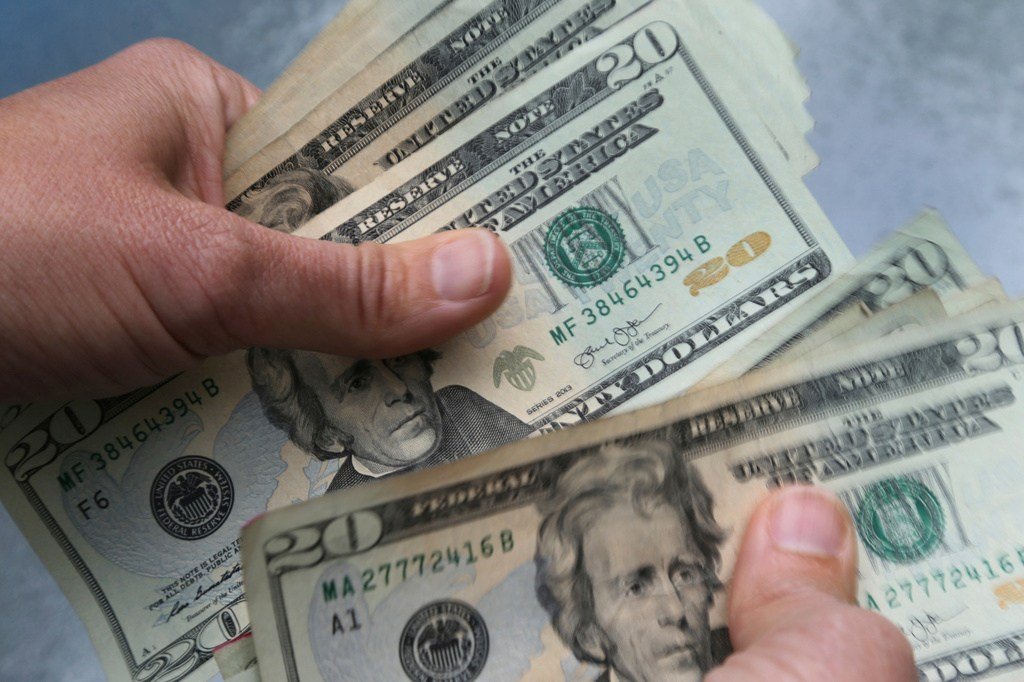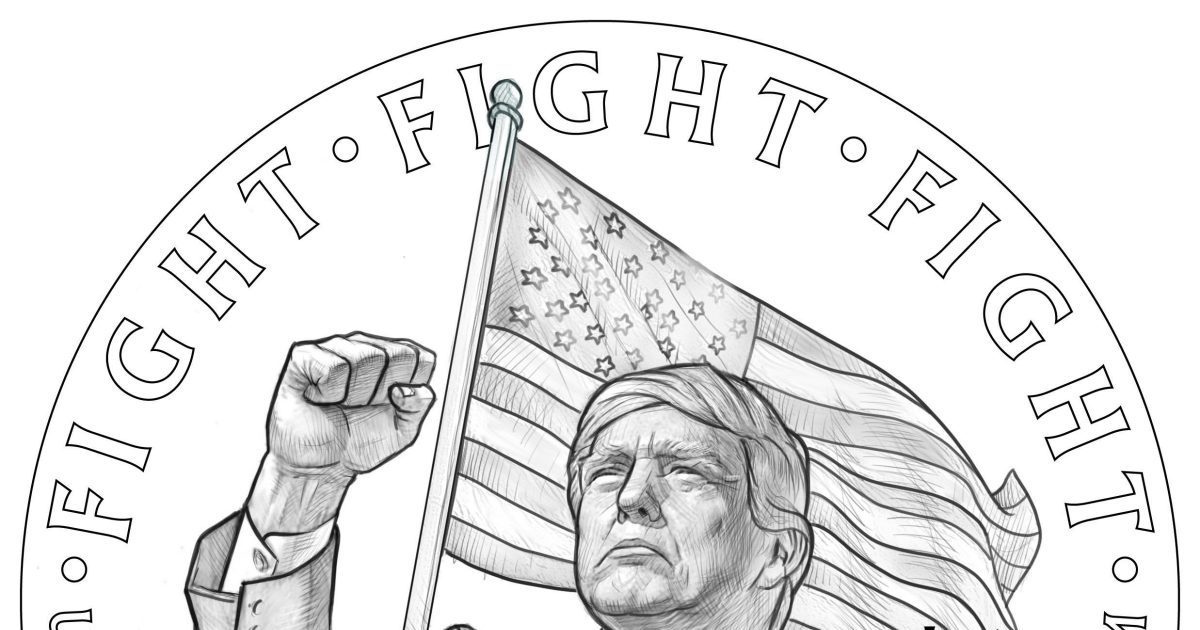
The United States Mint on Wednesday began issuing 250,000 $1 coins bearing President Donald Trump's portrait, a commemorative release tied to the nation's upcoming semiquincentennial. The coin marks a rare instance of a sitting president appearing on US currency, a practice long prohibited by federal law until recent legislative changes.
The coin's obverse features a simple profile of Trump, engraved by US Mint Chief Engraver Joseph Menna and based on an official White House photograph by Daniel Torok. Inscriptions include "Liberty," "In God We Trust," and "1776 ~ 2026." The reverse displays the Presidential Seal—an eagle clutching an olive branch and arrows, with a shield on its chest—alongside the numeral "250" to mark the anniversary.
The release comes after a contentious legal and political path. A 2020 statute, the Circulating Collectible Coin Redesign Act, signed by Trump during his first term, opened the door for depicting living presidents on certain commemorative coins. The Trump administration has also argued in legal filings that congressional approval is unnecessary, citing historical precedents such as a 1926 coin featuring Calvin Coolidge.
These coins are not intended for general circulation but are legal tender. They are being struck at the Philadelphia Mint and will be available for purchase starting September 2 in rolls of 25 and bags of 100. The coins have a gold-like appearance but are composed of non-precious metals.
Treasury Secretary Scott Bessent praised the coin, stating it "celebrates the strength of American values, and the promise of a nation dedicated to preserving freedom for all." Bessent has also overseen the introduction of new currency bearing Trump's signature earlier this year.
The initiative is part of a broader pattern by the administration to place Trump's name and image on national symbols, which has drawn criticism. One ongoing controversy involves the Kennedy Center, where a federal judge blocked a proposal to officially rename the institution, ruling that only Congress has that authority. The administration has since proposed adding an inscription reading "Restored and Renovated by President Donald Trump" instead. The Kennedy Center has also removed a landmark sculpture amid the renovation clash, a move that has fueled further debate.
The Mint is already offering a suite of commemorative coins for 2026, including Revolutionary War quarters, American Eagle gold coins, and Enduring Liberty half dollars, some priced above $10,000. The Trump coin adds to this lineup, but its political significance extends beyond numismatics, reflecting the administration's efforts to imprint its legacy on federal artifacts.
Critics, including some lawmakers, have questioned the precedent and the use of federal resources for what they see as self-promotion. Supporters, however, frame the coin as a tribute to Trump's leadership during the nation's 250th year. The debate echoes broader tensions over presidential branding, as seen in other administration moves, such as the recent push to rename geographic features, which has sparked both support and backlash.