The head of the United Nations nuclear watchdog said Tuesday that there is no sign Iran has tried to repair or rebuild its nuclear facilities damaged in recent U.S. and Israeli military strikes, a revelation that complicates President Trump's claims that the attacks crippled Tehran's atomic program.
During a U.N. Security Council session, International Atomic Energy Agency (IAEA) Director General Rafael Grossi said that since the June 2025 U.S. bombing, "we have not identified any activity to repair or reconstruct any of the facilities damaged in the military attacks of 2025 and 2026." He urged Iran to provide inspectors access to all nuclear sites, including those hit by strikes, stressing that the IAEA still cannot verify the status of Tehran's stockpile of near weapons-grade uranium.

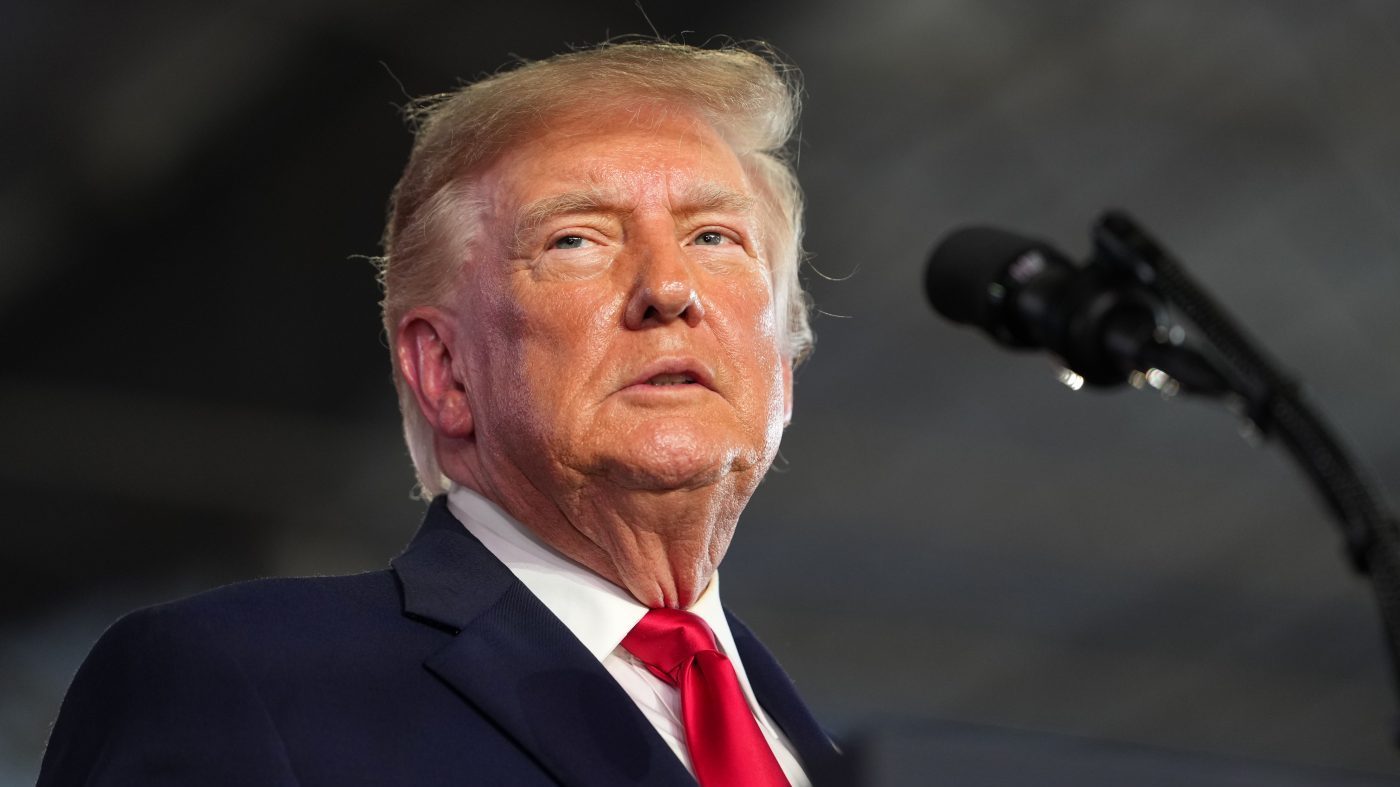
The U.S. launched a war against Iran on Feb. 28, with President Trump saying a key objective was to deny Tehran the capacity to build a nuclear weapon. He has insisted that the June 2025 strikes "obliterated" Iran's atomic program, but Grossi's remarks suggest the program remains in limbo rather than fully dismantled.
Iran maintains its nuclear work is peaceful, but the IAEA estimates it holds 440.9 kilograms (972 pounds) of uranium enriched to 60% purity—just a technical step from weapons-grade levels of 90%. Since the U.S. strikes, the agency has been unable to confirm the status of that stockpile, which is central to international concerns.
The Security Council meeting was requested by Bahrain, Denmark, Latvia, France, the United Kingdom, and the United States after the IAEA referred Iran to the council for failing to meet its nuclear nonproliferation obligations under the Nuclear Non-Proliferation Treaty. Russia and China, which have backed Iran, tried unsuccessfully to block the session.
Iran's deputy U.N. ambassador, Gholamhossein Darzi, used his time to denounce the "wars of aggression against Iran" by the U.S. and Israel, accusing Washington of war crimes. He did not address the IAEA's unanswered questions or the demand for inspector access, instead pointing to Israel's undeclared nuclear arsenal, saying, "Israel possesses nuclear weapons, yet your concern is the absence of inspectors in Iran." Israel has never confirmed having nuclear weapons.
U.S. Ambassador to the U.N. Mike Waltz fired back, calling Iran a "brutal dictatorship" and questioning whether Tehran's envoy would apologize for attacks on Bahrain. "We've heard tireless allegations against the United States," Waltz said. "What we have not heard today is an explanation for Iran's continued failure to satisfy its safeguard obligations." He added, "Your lies are no good here."
The standoff comes as Iranians brace for possible renewed U.S.-Israeli strikes ahead of U.S. midterm elections, where the war's economic toll—particularly higher fuel prices—has become a political liability for Republicans. The White House did not immediately respond to a request for comment on Grossi's disclosure.
Grossi's report underscores a paradox: while the U.S. claims to have neutralized Iran's nuclear threat, the lack of reconstruction activity could mean Tehran is temporarily unable to resume enrichment, or it could be a deliberate choice to keep inspectors at bay. Either way, the IAEA's inability to verify Iran's stockpile leaves a dangerous gap in nonproliferation oversight. As intelligence officials warn of advanced Iranian plots against U.S. officials, the diplomatic impasse shows no signs of easing.