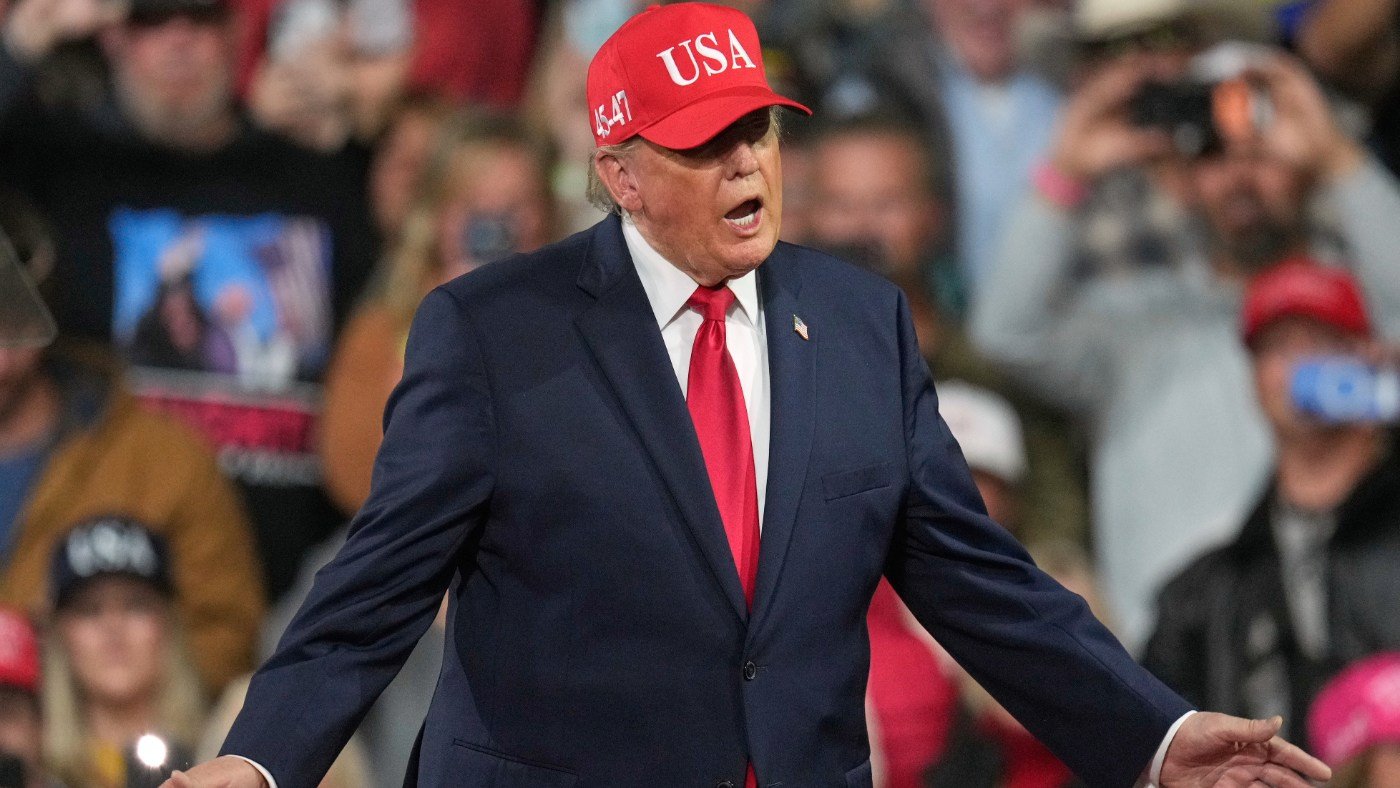
President Trump's political identity is built on a narrative of martyrdom. He casts himself as a lone warrior battling a shadowy cabal of biased journalists, globalist judges, and turncoat Republicans, all intent on his destruction. But the reality of his second term is far less heroic: his policies are backfiring, and the voters who put him back in office are turning against him.
A new poll shows that 64 percent of Americans strongly disapprove of Trump's erratic tariffs, which he falsely frames as a zero-sum trade war. Only 17 percent believe he has handled inflation well, despite his promises to lower prices. Two-thirds oppose his escalating conflict with Iran, and 60 percent think the U.S. is losing that confrontation. Even his signature immigration crackdown has driven his approval underwater, with brutal deportation tactics alienating even his base.
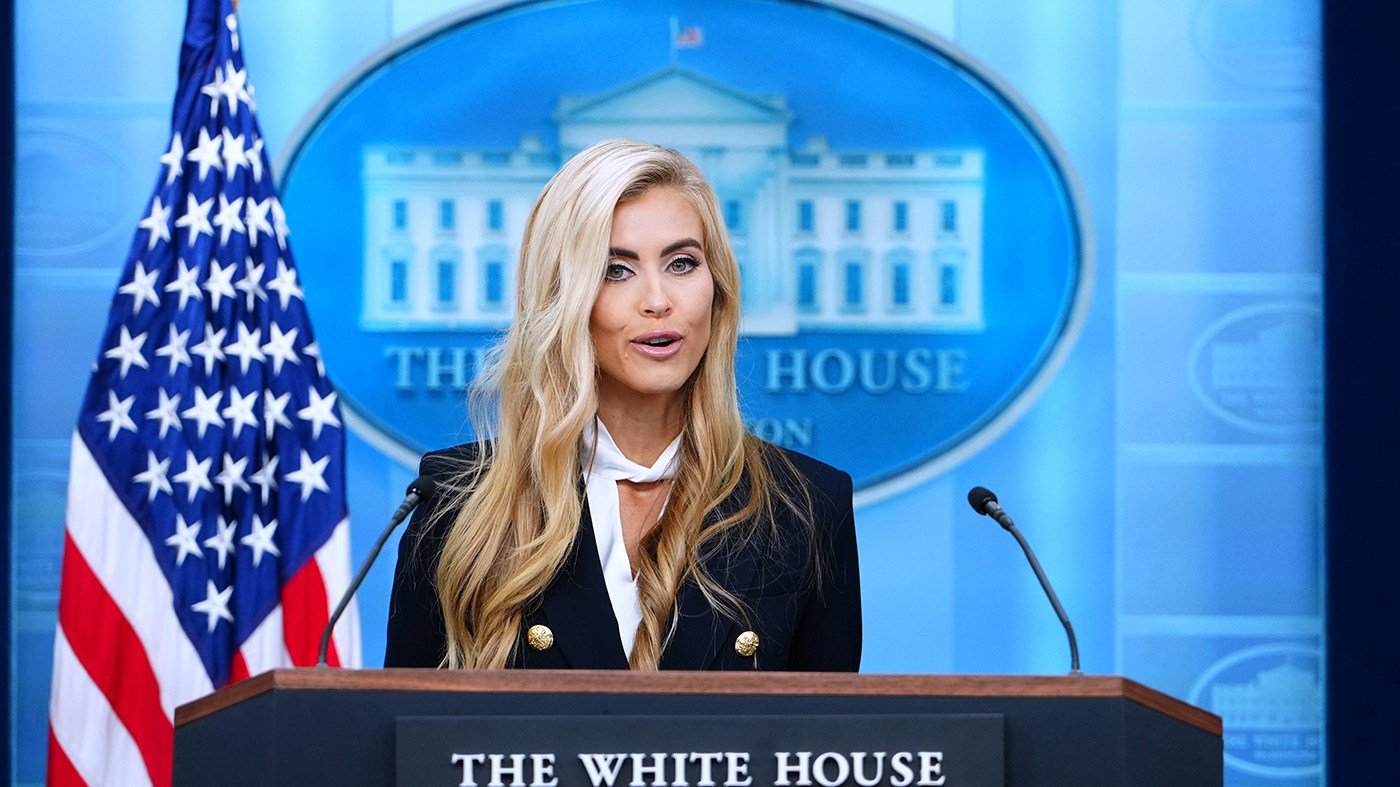
The damage is most acute among the working-class voters who propelled him to victory. Sixty percent of non-college whites say he has failed on the cost of living. Farmers are particularly hard hit: Trump's trade wars have slashed exports of soybeans, corn, and pork, while tariffs raise the price of fertilizer, machinery, and fuel. Farm income has dropped $9 billion this year, and expenses are up $5 billion, driving a surge in bankruptcies. Meanwhile, Iran's attacks on shipping in the Strait of Hormuz have doubled diesel prices, squeezing rural communities further.
Trump's 2024 coalition is crumbling. Compared to his Election Day support, he has lost 12 points with women, 9 points with young voters, 16 points with Latinos, and 21 points with independents. This mirrors the collapse of his first term, when he lost re-election after failing to manage the COVID-19 pandemic. His own pollster, Tony Fabrizio, admitted that voters saw him as incompetent in a crisis.
Republican lawmakers, who have largely abdicated their oversight role, are now paying a political price. The 119th Congress has passed fewer bills than any in three decades, earning it a reputation as the least productive in memory. Senator Rand Paul called it "a Congress without ambition," and Representative Ralph Norman mocked the House's seven-week recess, noting the founders didn't envision such time off with pay. The GOP's midterm slate is already showing signs of strain, as Trump's endorsements and feuds—such as his attacks on Senator John Cornyn—threaten to alienate swing voters.
Trump's obsession with power, rather than governance, is the root of his failures. He treats the presidency as a vehicle for personal enrichment and revenge, from his stock and crypto trades that have made him $2 billion richer while inflation erodes workers' wages, to his threats to investigate political rivals. His midterm endorsements have often gone to weak candidates, and his blaming of allies for potential losses underscores his refusal to accept responsibility.
The contrast with effective leadership is stark. Great presidents rally the nation against common challenges; Trump thrives on division. His Napoleonic self-image prevents him from admitting mistakes, let alone correcting them. But voters are feeling the consequences of his misrule—from higher prices to foreign policy chaos—and they are likely to take it out on his party in November.
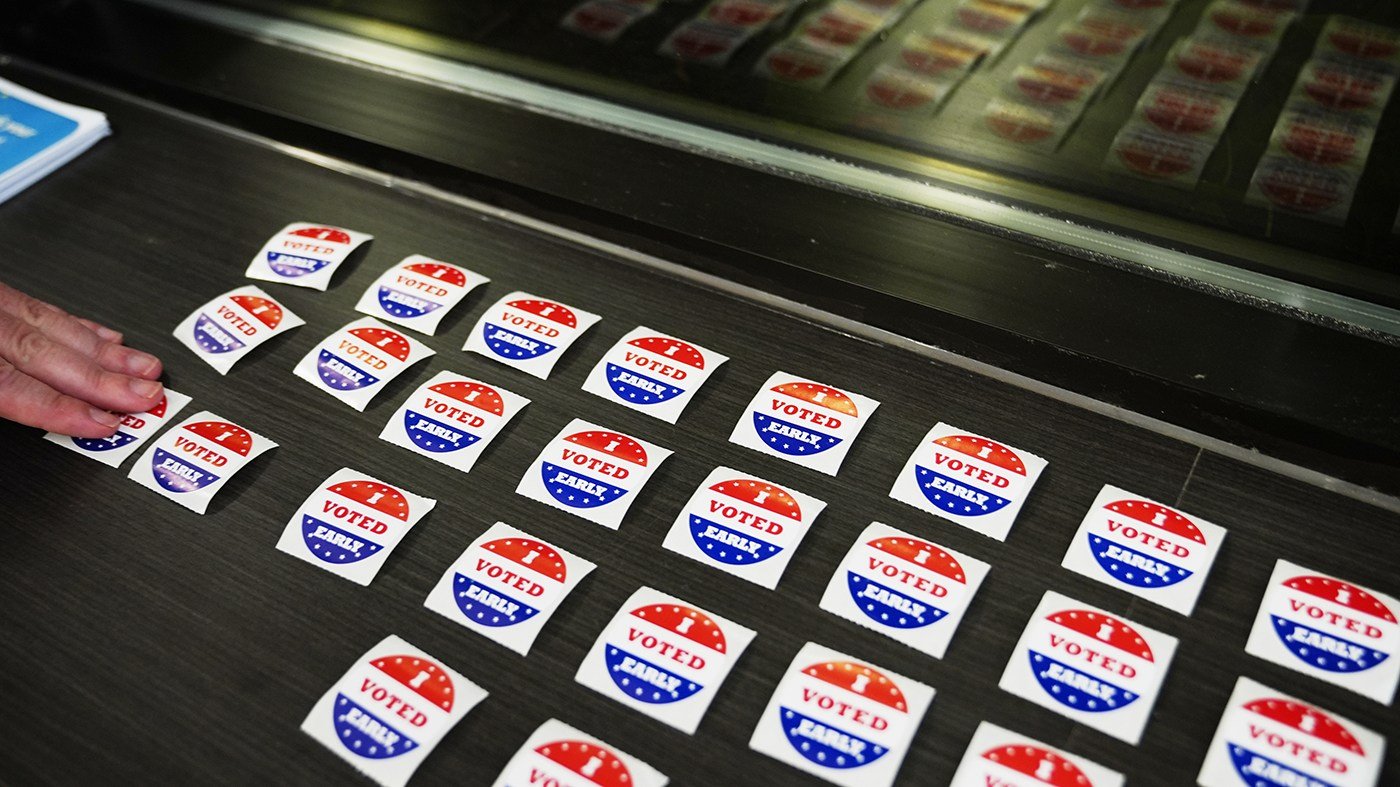
As the midterms approach, the question is whether Republicans can distance themselves from a president who is increasingly a liability. With his approval sinking and his coalition fracturing, Trump's second term is beginning to look like his first: a study in failure, with the American people paying the price.