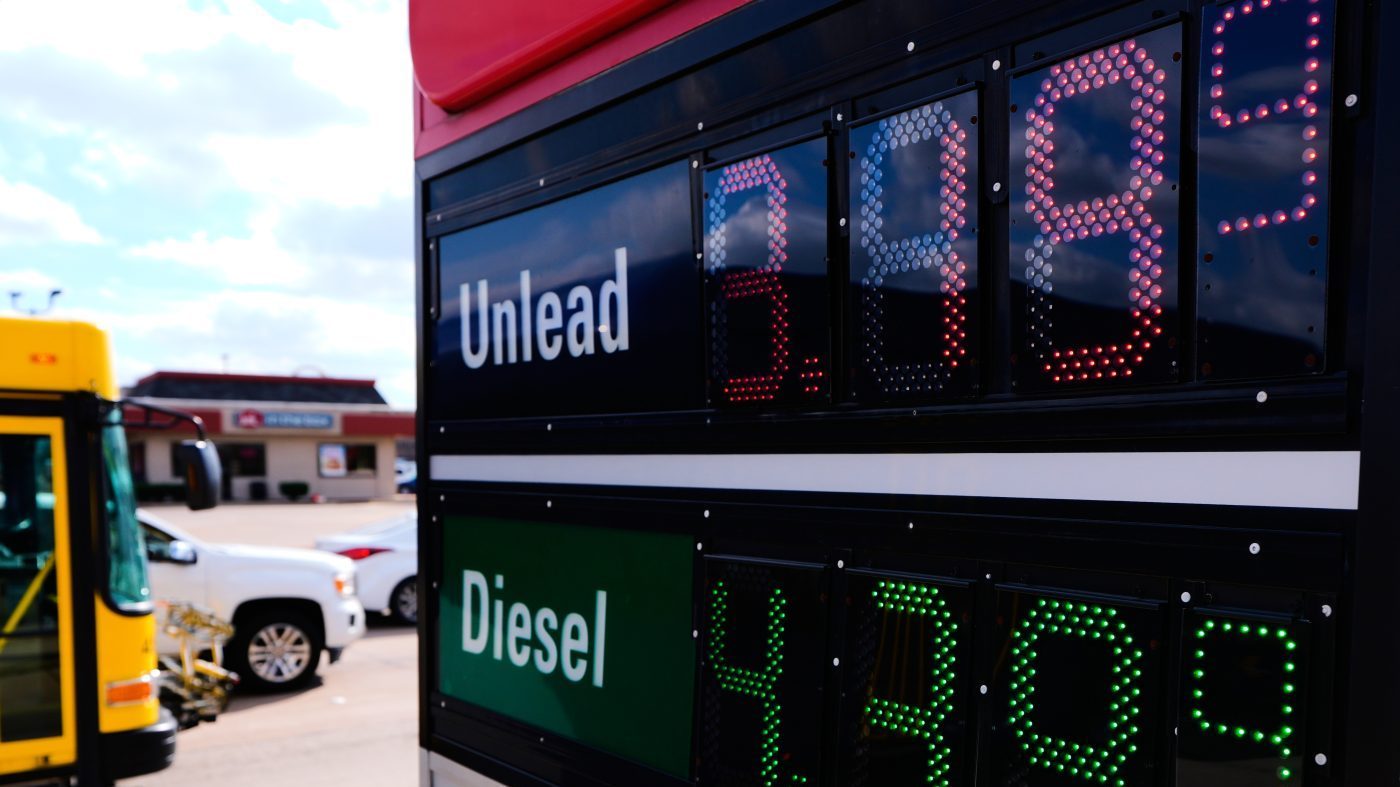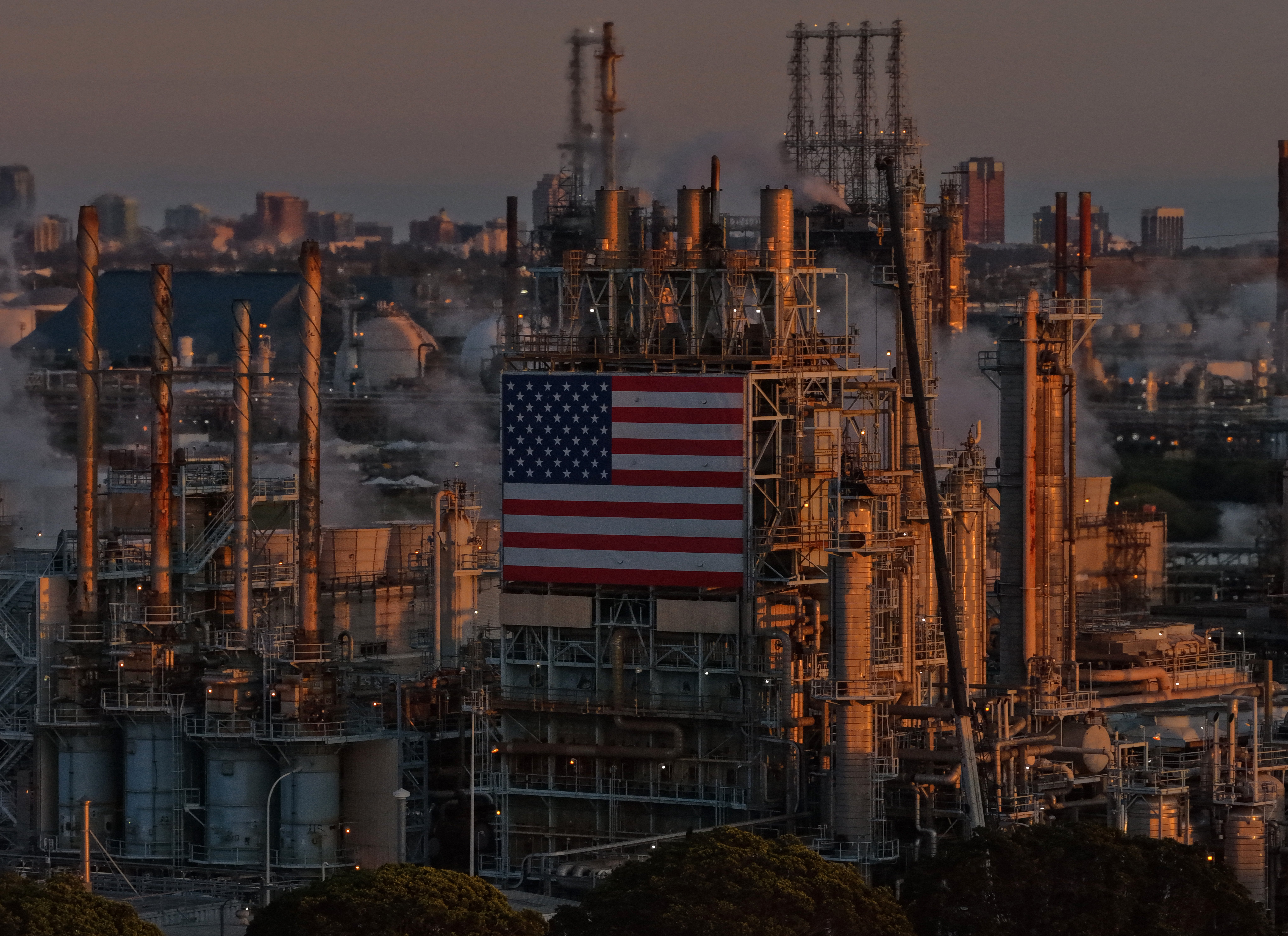
The United States has weathered its share of oil scandals—Teapot Dome, Enron’s collapse, 1970s profiteering, Exxon Valdez, Deepwater Horizon. But President Donald Trump’s transactional relationship with Big Oil represents a new low: a brazen quid pro quo that has funneled hundreds of billions in taxpayer-funded favors to the industry while squeezing American families.
During his first term and now his second, Trump has delivered an unprecedented package of benefits: tax breaks, access to federal lands and waters, a sweeping rollback of environmental rules, suppression of clean energy competition, and even a lucrative war in Iran that has driven up oil prices. The scale is staggering—and the cost is borne by middle- and lower-income voters who helped elect him.
A $1 Billion Promise
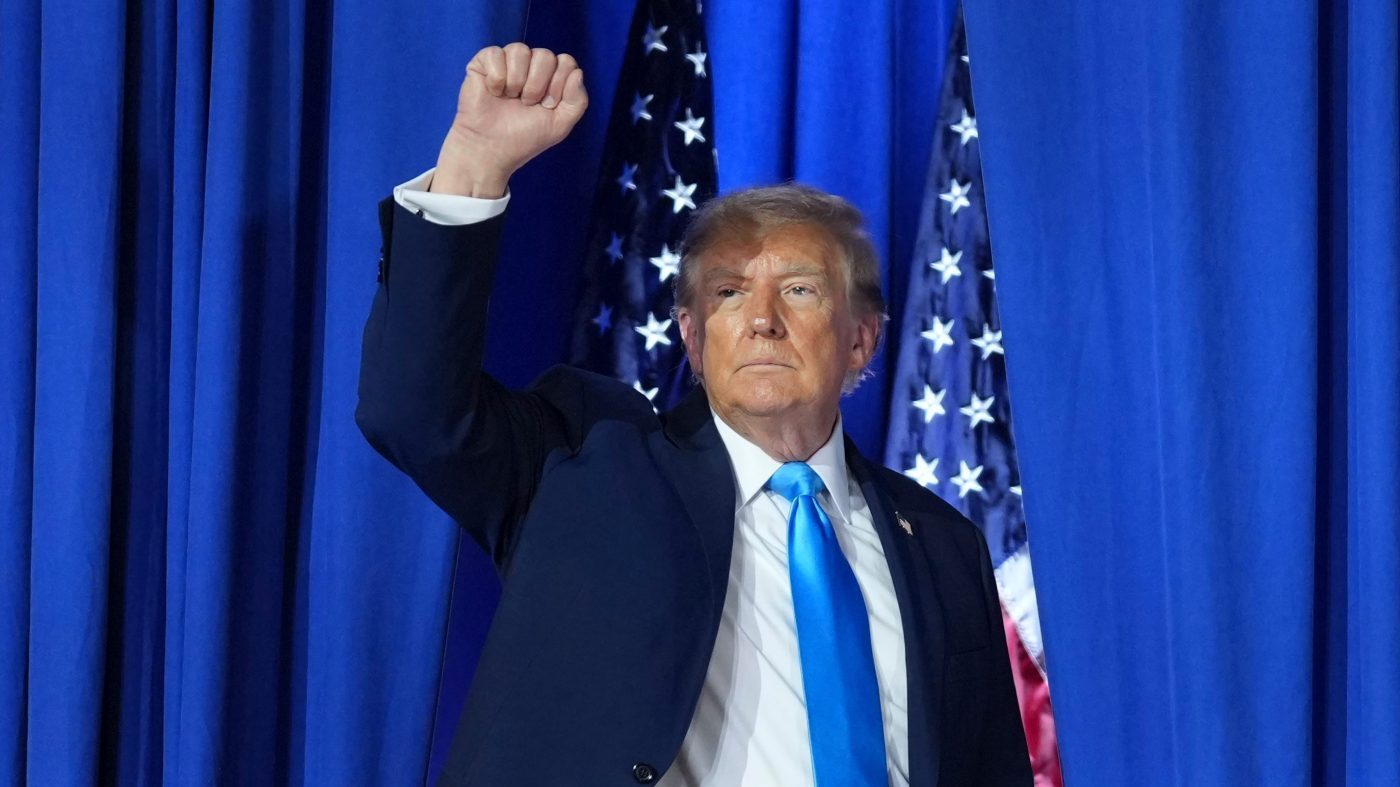
The deal’s origins are stark. In April 2024, as the presumptive Republican nominee, Trump told oil executives he would deliver their wish list if they funneled $1 billion into his campaign. Since then, the industry has poured nearly $100 million into his campaign and affiliated PACs, plus $12 million for his inauguration and ongoing contributions. The arrangement, while ethically murky, may skirt bribery laws as the Supreme Court currently interprets them. As one legal expert noted, “Unless Trump wrote on a napkin an exact amount for a specific policy, there’s little chance it would violate bribery laws.”
Policy Favors That Hit Home
The favors have been concrete. The 2017 Tax Cuts and Jobs Act gave 17 oil and gas companies $25 billion in one-time benefits and a permanent 40 percent tax reduction. Nine firms each saved at least $1 billion immediately. To offset these windfalls, Congress enacted the largest cuts to basic needs programs in U.S. history. Last July, the One Big Beautiful Bill Act added $70 billion in new tax subsidies for fossil fuels through 2034, plus $250 billion in taxpayer-guaranteed loans.
Meanwhile, Trump dismantled clean energy incentives from the Biden-era Inflation Reduction Act, which had promoted electric vehicles and solar and wind power. His administration canceled $680 million in offshore wind funding and is now spending $2 billion to pay utilities to abandon wind projects for fossil fuels. As a result, utilities will generate up to 60 percent less clean energy through 2035, driving up electricity costs by $11 billion that year—costs passed to consumers.
Health, Climate, and War
The pollution from fossil fuels causes over 91,000 premature deaths annually in the U.S., according to the Stockholm Environment Institute. Trump has taken at least 145 actions to weaken environmental rules, exacerbating climate instability that costs families in some regions over $1,000 per year in higher energy, food, insurance, and medical costs. Billion-dollar disasters, which have cost $1,500 per person in 2023-2024, further strain government budgets.
The Iran war—triggered by Trump’s policies—has cost taxpayers at least $25 billion, with estimates reaching $1 trillion. It has killed 13 U.S. soldiers and wounded hundreds, while sparking the worst global energy crisis in history. During the war’s first month, the 100 largest oil companies earned over $30 million in windfall profits every hour. If oil prices stay high, they could pocket $234 billion in extra profits by year’s end.
A Betrayal of Trust
Trump’s deal with Big Oil is not just corrupt—it is a betrayal of the voters who believed his populist rhetoric. By slashing social programs and safety nets to fund industry giveaways, and by raising energy prices, his policies transfer wealth from American families to one of the world’s most powerful industries. As the Iran conflict hands Beijing leverage ahead of a Trump-Xi summit, the geopolitical fallout deepens. The question remains: Will accountability ever catch up?