President Trump's relentless attacks on the news media have not dismantled First Amendment protections, despite the alarm raised by some journalists. History shows that the American press has weathered far worse from presidents who sought to muzzle it, and it continues to function as the framers intended.
From John Adams and Thomas Jefferson to Abraham Lincoln, Woodrow Wilson, and Harry Truman, presidents have clashed with reporters. Truman famously called journalists "prostitutes of the mind," and Barack Obama's administration surveilled reporters at the AP, The New York Times, CBS, and Fox News. Yet the press has survived these challenges, and it will survive Trump's presidency as well.
Trump's disdain for the establishment press is well-documented. He has insulted reporters, restricted access for outlets like CNN, MSNBC, and Politico, and filed defamation lawsuits that have little chance of success. A federal judge recently dismissed his $10 billion suit against The Wall Street Journal over a story about a birthday card to Jeffrey Epstein. Trump did secure settlements from ABC and CBS, but those were more about corporate cowardice than legal merit.
The real question is whether Trump's behavior constitutes genuine harm to the First Amendment. The evidence suggests it does not. Anti-Trump reporting remains abundant, and outlets he targets continue to publish and broadcast without fear. The press is not cowed; it is actively engaged in watchdog journalism, as seen in the Democrats' midterm sweep coverage and other critical reporting.
Legal challenges are also underway. The Knight First Amendment Institute and individual media outlets have filed suits seeking to reverse White House sanctions against reporters. While the administration has been hostile, it has not crossed the line on core press freedoms. No reporters are in custody, prior restraint has not been imposed, and the Freedom of Information Act remains intact.
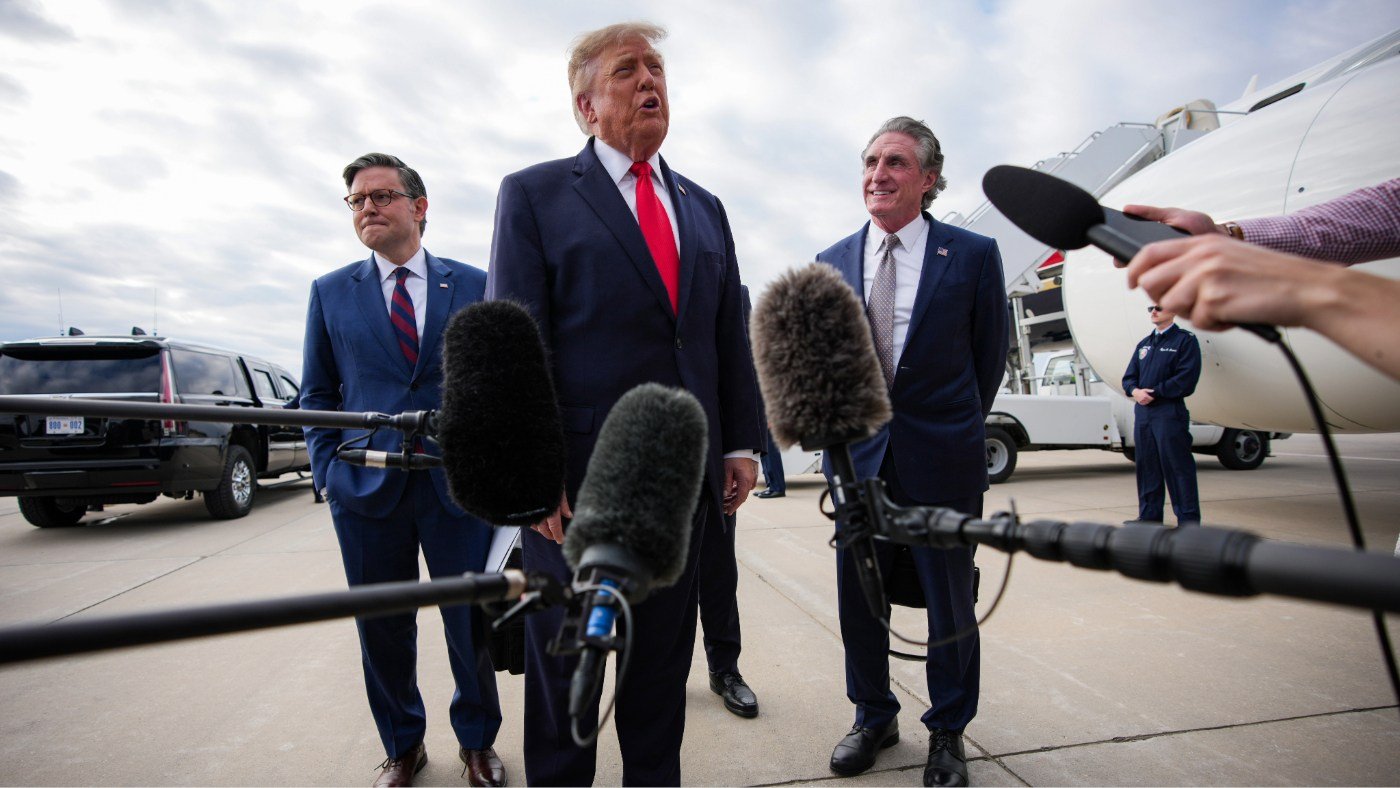
Ironically, Trump has given reporters unprecedented access. He has held more briefings and press gaggles than any president in history, engaging with the press frequently. If he truly wanted to destroy press freedom, he would not provide such opportunities for scrutiny.
As Supreme Court Justice Potter Stewart noted in 1974, the press is free to battle the government, but it cannot expect constitutional guarantees of success. The Constitution establishes the contest, not its resolution. The American press remains the envy of the world, but its biggest threat comes from within—eroding public trust due to its own failures.
Thomas Jefferson warned that the press could deprive the nation of its benefits through "abandoned prostitution to falsehood." The media industry will survive Trump, but it must confront its own credibility crisis. The post-Trump GOP's reckoning and Democratic congressional victories show that journalism's role is more vital than ever.