A conservative friend recently asked me to name the single worst thing Donald Trump has done since returning to office. The competition is fierce.
Is it the brazen corruption that has become a defining feature of his second term? The weaponization of the Justice Department against perceived enemies? The pressure campaigns targeting law firms, universities, and media organizations? The exclusion of reporters from the White House briefing room over unfavorable coverage? The erosion of alliances, the assault on scientific and artistic institutions, or the chaotic foreign policy that has exposed military vulnerabilities?
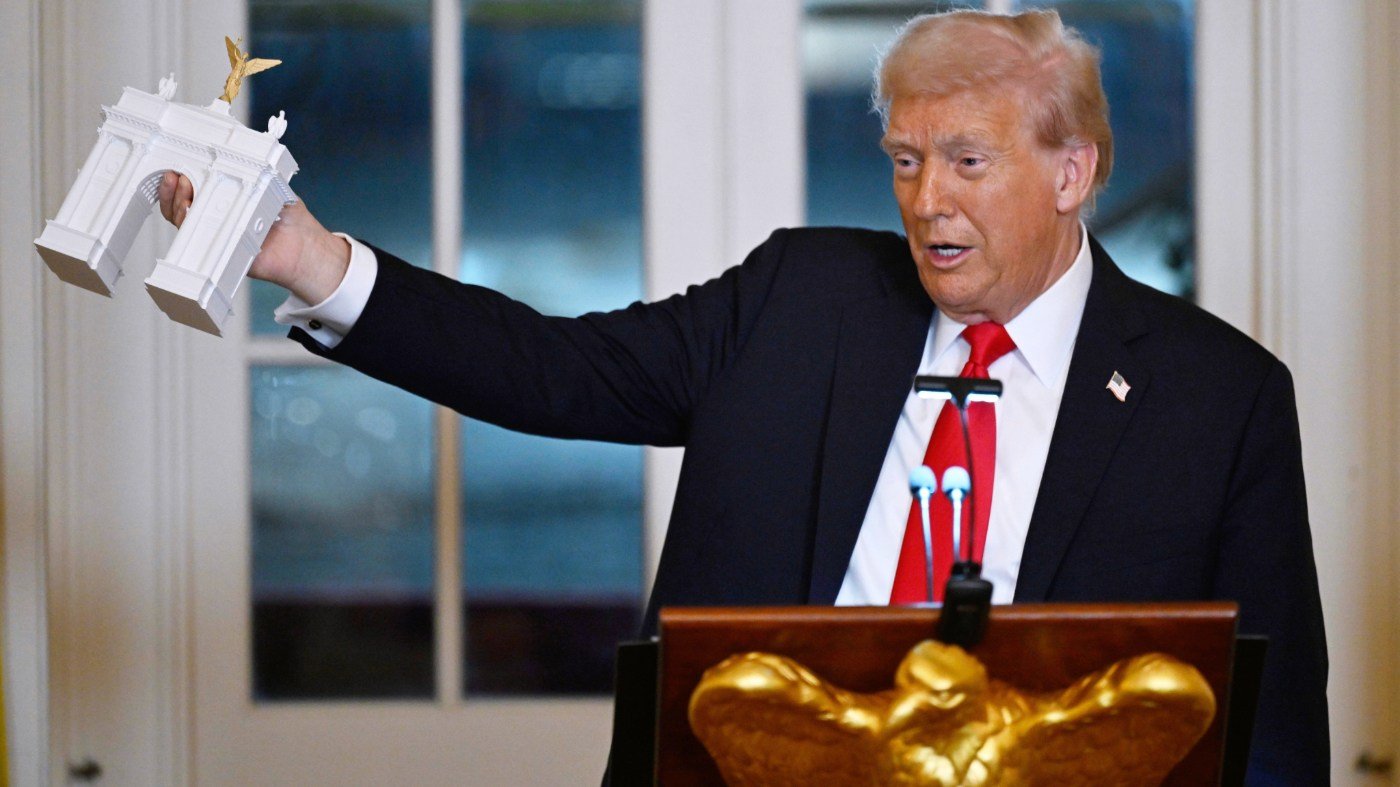
Then there are the vanity projects—the East Wing ballroom, the proposed Arc de Trump—and the dangerous lies, the reckless approach to artificial intelligence, and the repeated public floggings of the three Supreme Court justices he himself placed on the bench. The list is long and damning.
Democrats are widely expected to make major gains in the midterms, but that outcome is far from guaranteed. At a recent Republican gathering, Trump urged supporters to “cheat like hell.” Voter suppression, interference with state certification processes, and even the prospect of federal agents at polling places—FBI Director Kash Patel has hinted at such a move—could tip the scales. Then there is the specter of a coup. Former Judge J. Michael Luttig has outlined a nightmare scenario in which Trump and Republicans lose the House but refuse to concede, with Speaker Mike Johnson potentially orchestrating a steal. Garrett Epps has noted that the country faced similar crises in 1863 and 1865, both times narrowly averting disaster.
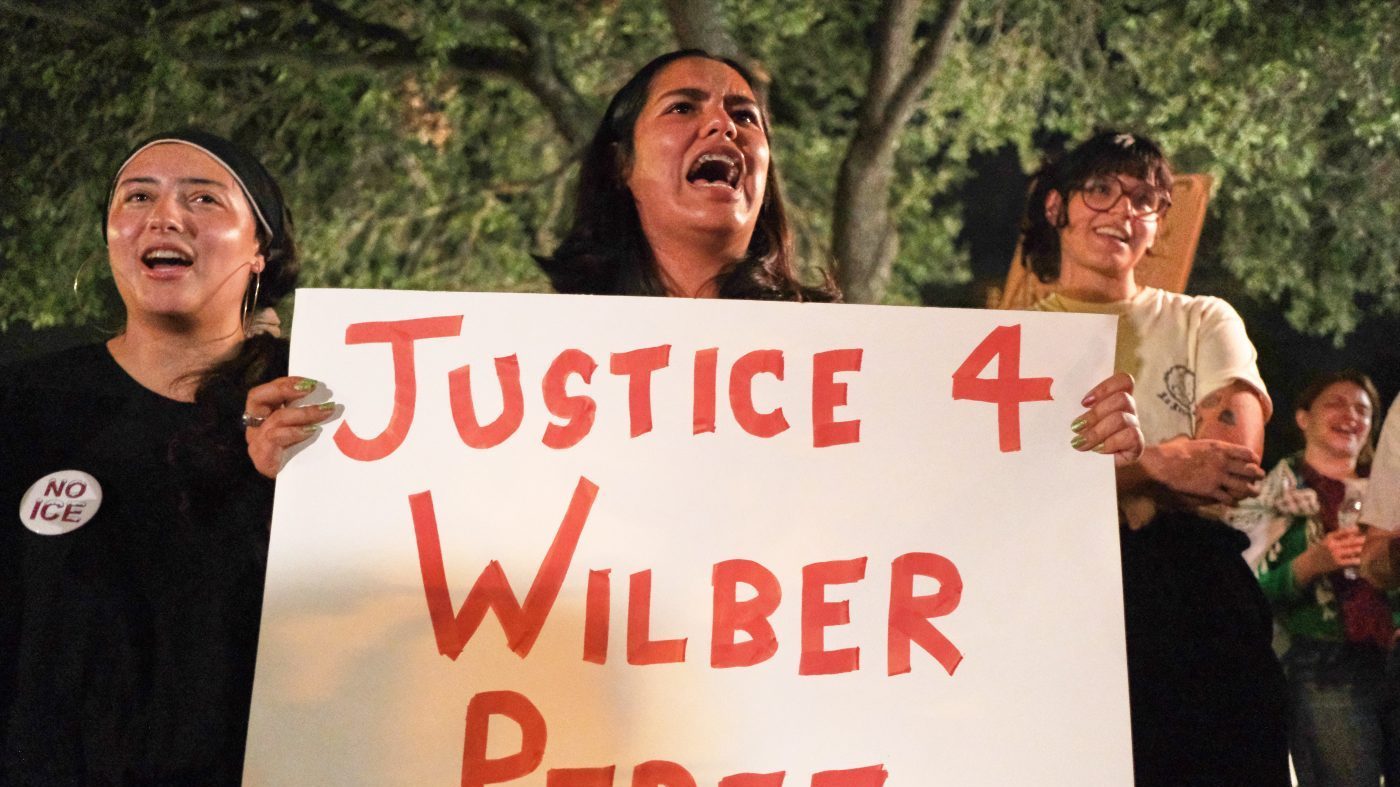
In 1863, House Clerk Emerson Etheridge, a pro-slavery Democrat, tried to omit 16 duly elected Republicans from the roll call to manufacture a Democratic majority. Rep. Thaddeus Stevens immediately moved to seat the omitted members, and the House narrowly voted to do so, ending the crisis. In 1865, with Lincoln dead, a similar plot collapsed when House Clerk Edward McPherson ignored Southern Democrats on technical grounds. How loyal is Speaker Johnson to the Constitution? He delayed seating Rep. Adelita Grijalva (D-Ariz.) for 36 days—Grijalva was prepared to vote for disclosure of the Epstein files. That should tell us plenty.
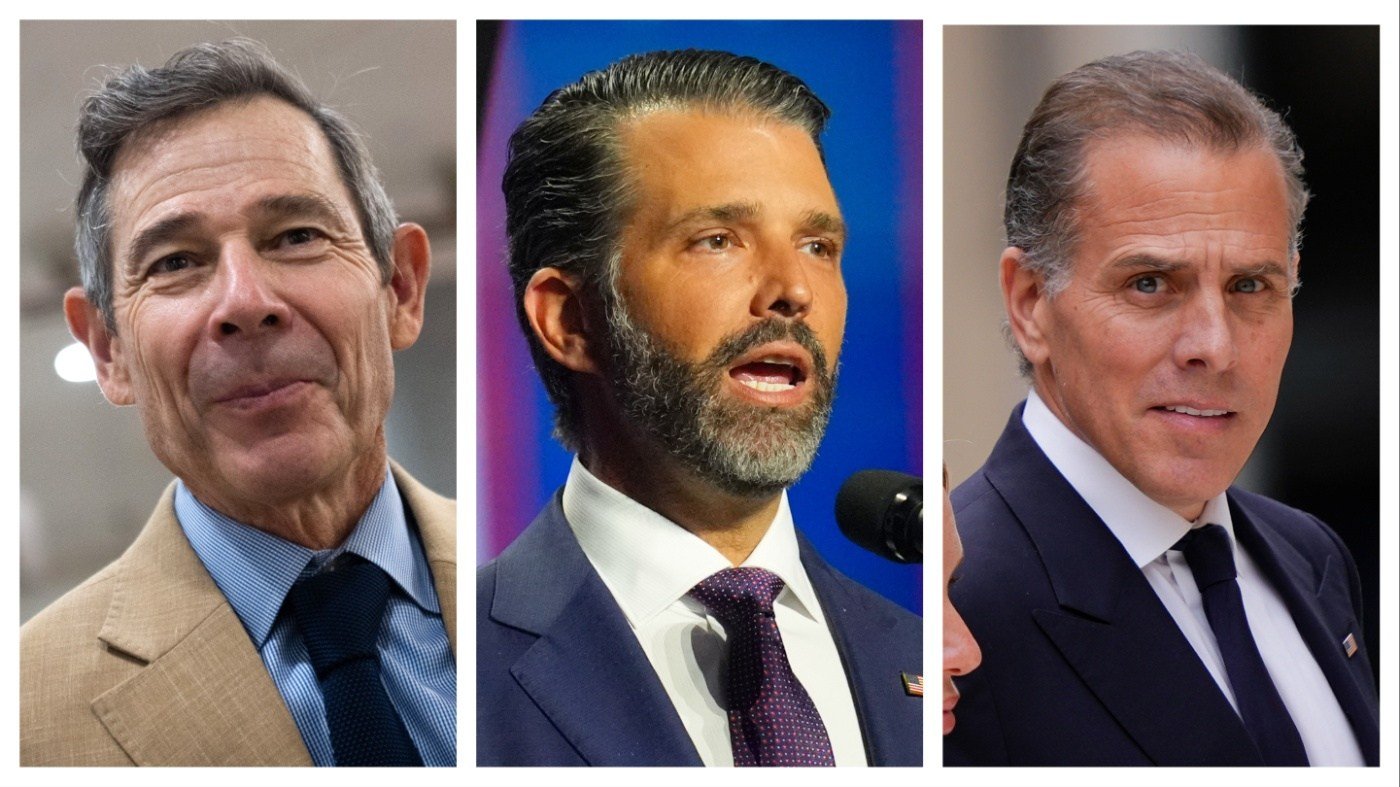
Corruption may be the Democrats’ strongest issue if Johnson lets them out of the gate. A recent Reuters-Ipsos poll found that 63 percent of U.S. adults believe Trump has inappropriately profited from his second term. The evidence is abundant: a jet plane gifted by Qatar, shadowy crypto billions made by trading on his presidency, Donald Trump Jr.’s lavish wedding on two private islands funded by a Putin-allied oligarch. Last year alone brought Trump over $2 billion, more than half from crypto, even as his administration gutted the industry’s primary regulator. Then there is Jared Kushner, who negotiated with Iran while his private investment firm sought funds from Arab countries; he later said he would not seek additional money while volunteering for the government.
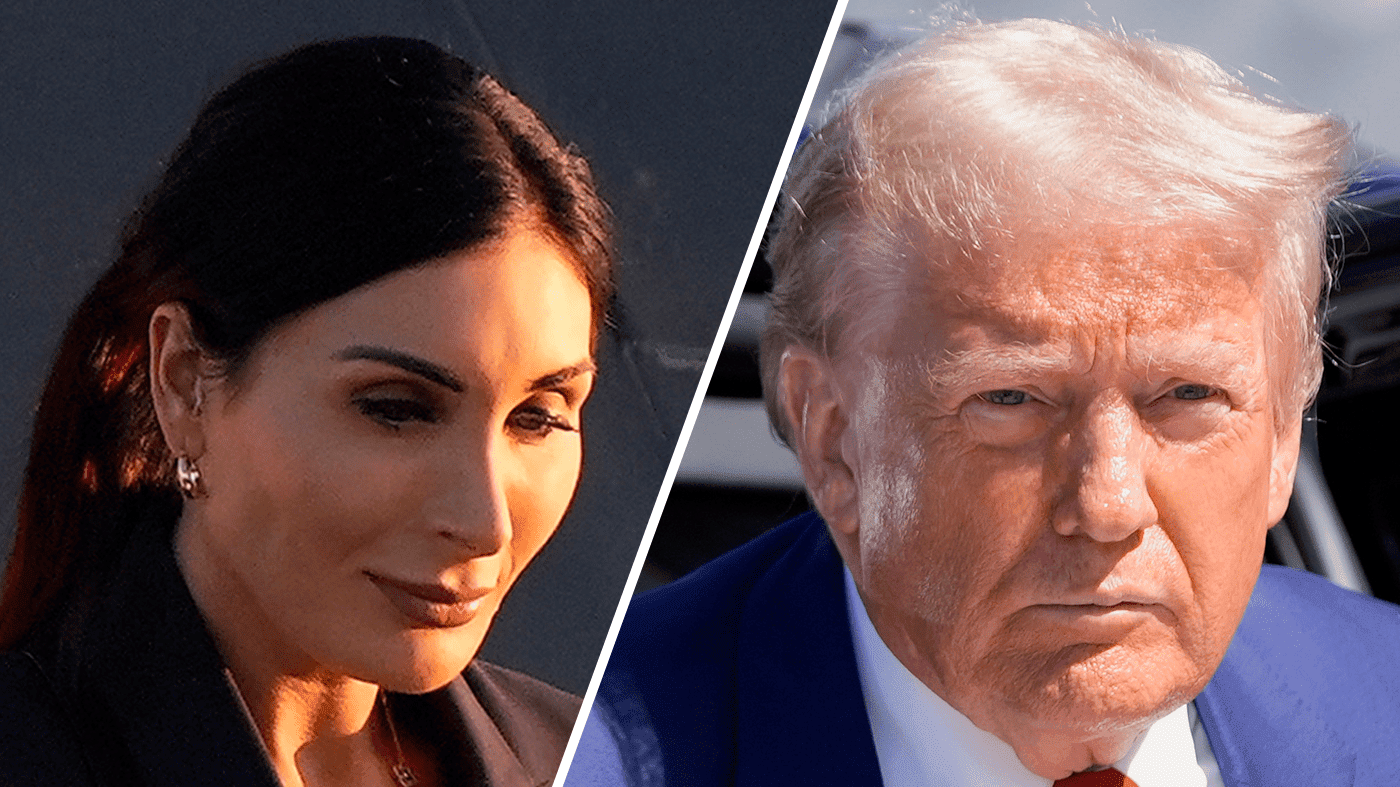
For me, the most intolerable offense is Trump’s relentless undermining of judicial independence. He has savaged the three justices he appointed—Brett Kavanaugh, Neil Gorsuch, and Amy Coney Barrett—treating them as personal property rather than independent jurists. After losing the tariff case, Trump called Gorsuch and Barrett’s votes an “embarrassment to their families,” labeled the conservative justices who sided with the liberal minority “disloyal, unpatriotic,” and “fools and lapdogs,” alleged without proof that the court was “swayed by foreign interests,” and said he was “ashamed” of the justices he appointed for lacking the courage to do right. His assault echoes the playbook of his mentor Roy Cohn, whose “favor bank” ethos held that a judge owes allegiance not to the law but to the politician who gave him the gavel. After losing the mail ballot case, Trump wrote on social media: “These are not the people I interviewed to serve on the United States Supreme Court, they are merely a shell of their original selves.”
Trump’s behavior is that of a sore loser and a bully. Many Americans seem willing to tolerate it. Bullies thrive on weakness, and Alexander Hamilton famously considered the judiciary the weakest branch—no sword, no purse. But as a lawyer, I find his vicious attacks on an independent judiciary not just unacceptable but the single worst thing he has done since returning to office.