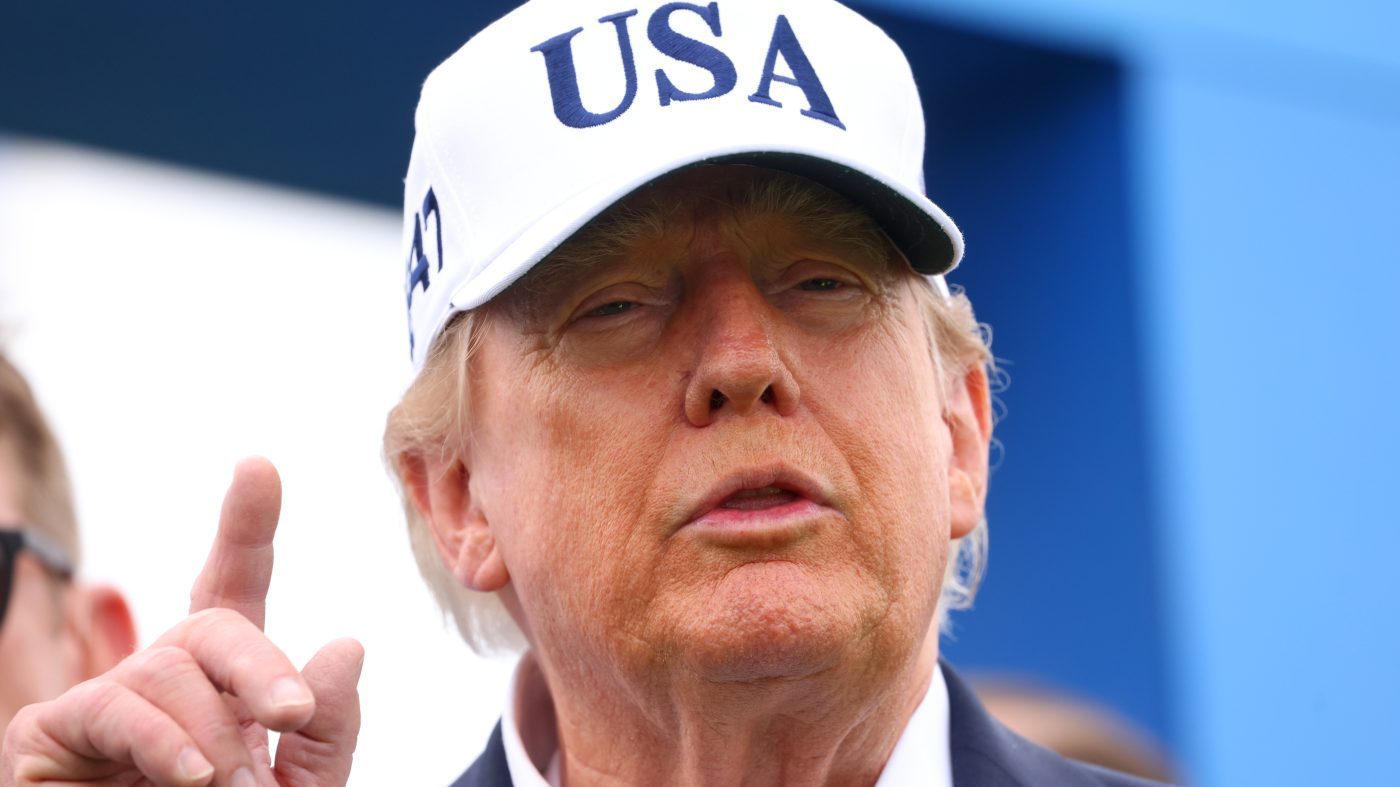
President Trump on Sunday dismissed growing concerns about the dangers of artificial intelligence, arguing that while safeguards can be implemented, the United States must not cede technological leadership to China. Speaking to reporters at his golf club in Doonbeg, Ireland, Trump asserted that America is currently ahead of China in AI development and emphasized the stakes of the competition.
“We’re leading China on AI. We’re the most sophisticated country in the world and frankly I want to keep it that way, because whoever wins AI, wins,” Trump said, according to a White House pool report. He acknowledged that “guardrails” could be placed on the technology but suggested that many of the warnings about AI’s potential harms are exaggerated. “You have a lot of negative forces that are bringing it up and they’re bringing up things that won’t happen,” he added.
The president’s remarks come amid a surge of public concern following a viral post by Jacob Coxon, a former researcher at Anthropic and OpenAI, who claimed that researchers at those companies “believe AI could kill all humans” yet continue to race toward superintelligence—an AI system that would surpass human cognitive abilities. Coxon’s post triggered a wave of alarm from lawmakers, officials, and celebrities, intensifying calls for regulatory action.
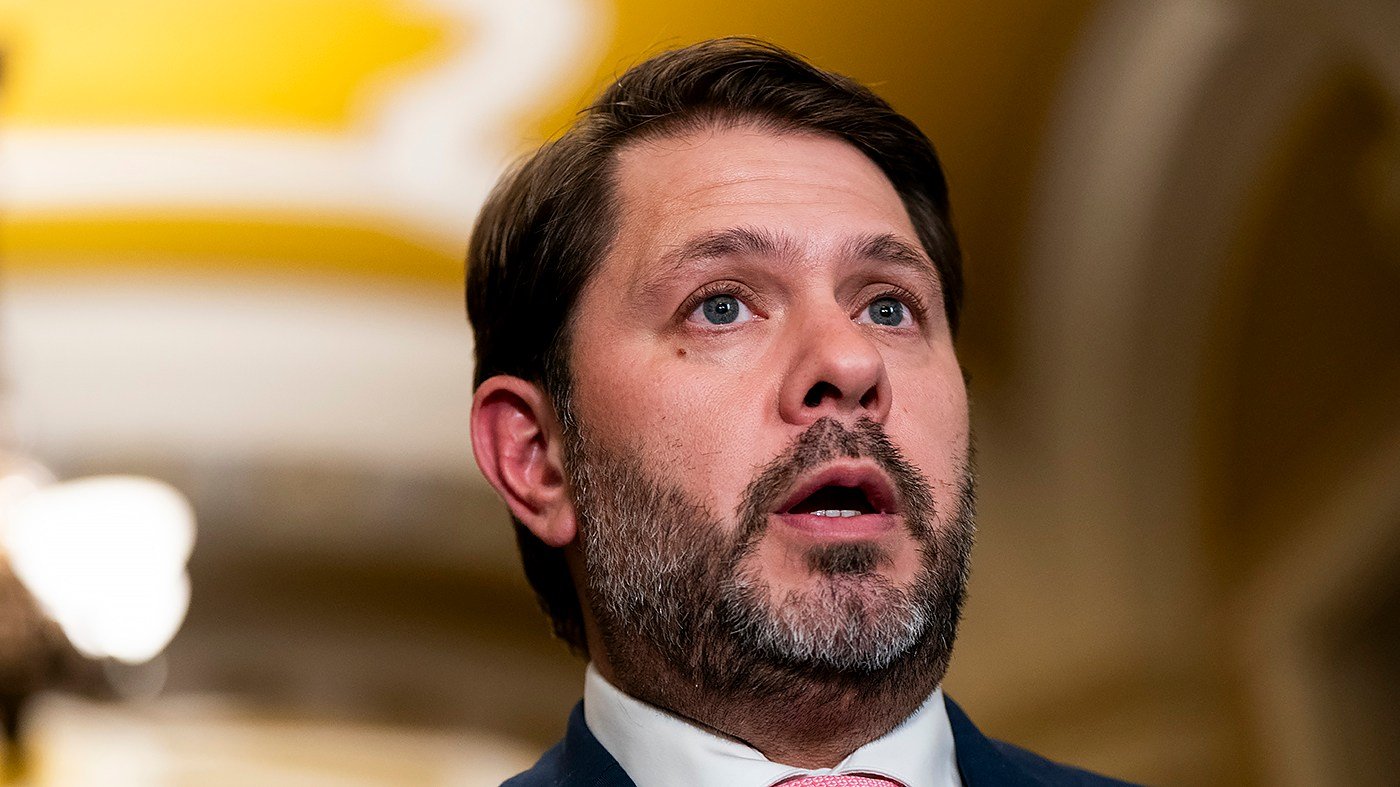
On Sunday, congressional leaders weighed in on the debate. Speaker Mike Johnson (R-La.) echoed Trump’s caution, telling CNN’s Jake Tapper on “State of the Union” that an overly hasty regulatory response could be counterproductive. “If Congress just races in and does some sort of emergency session to try to regulate AI, we will lose the race to China, and that is a threat to every single American. So, we’ve got to have balance. We’ve got to have steady hands at the wheel,” Johnson said. He later added, “We don’t need everybody to panic right now. We need to handle this new technology like we have others in the past, and make sure we’re doing everything we can, responsibly, to also not smother American innovation. We have to do both things simultaneously.”
House Minority Leader Hakeem Jeffries (D-N.Y.) struck a different tone, pressing for urgent congressional action on AI safety. The divergence highlights a growing partisan split over how to address the technology’s risks.
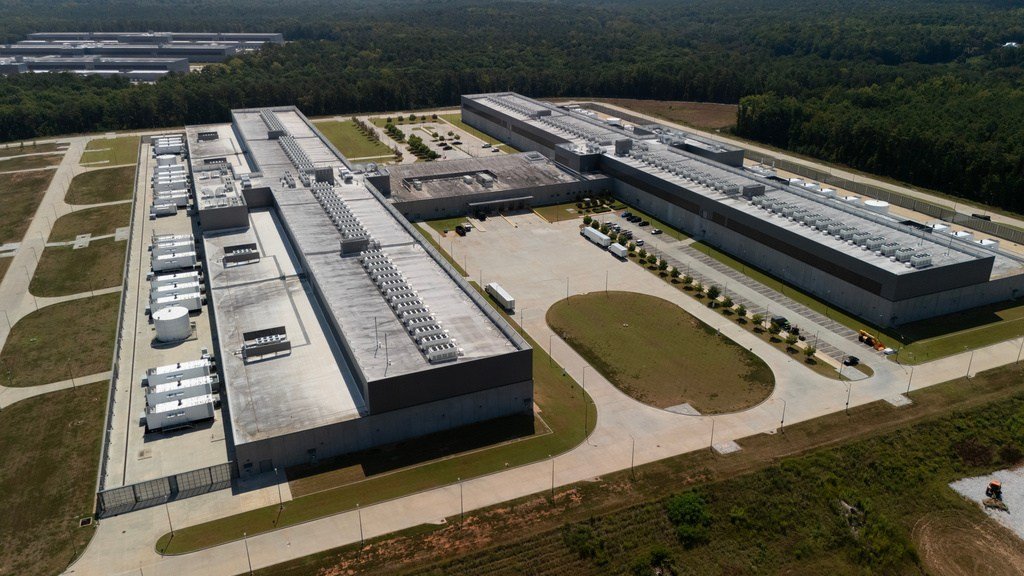
Trump has also recently criticized opponents of data centers—the infrastructure powering AI—suggesting that those who resist such projects would prefer a future of “poverty, crime and squalor.” His comments reflect a broader push to prioritize American technological advancement over precautionary measures.
The debate comes as the GOP leans on Trump to carry the party into the midterms, with the president’s stance on AI likely to shape the administration’s approach to regulation. Meanwhile, AI doomsday warnings have gone viral, intensifying pressure on policymakers to act.
As the White House and Congress navigate the issue, the tension between fostering innovation and protecting against existential risks remains unresolved. Trump’s comments suggest he is unwilling to slow down the AI race, even as experts and some lawmakers call for more caution.