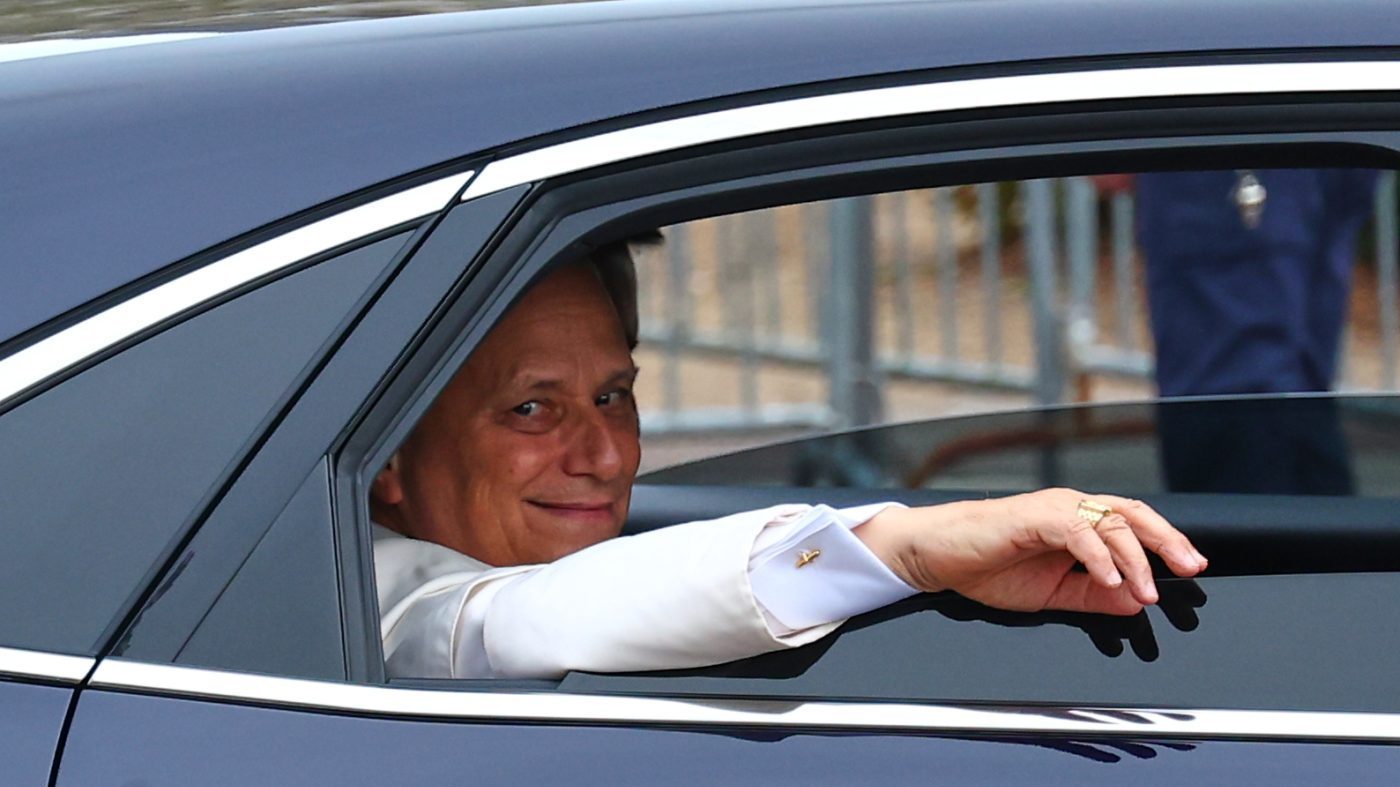
The Trump administration has earmarked $50 million in federal funds to speed up clinical research into psychedelic therapies such as psilocybin, aiming to address the growing number of Americans who do not respond to conventional antidepressants. The move, announced via executive order, signals a significant policy shift in the federal approach to mental health treatment.
Depression rates have climbed sharply over the past decade. A recent Gallup survey found that the share of U.S. adults reporting depression has risen by about 8 percentage points since 2015, translating to roughly 48 million people. Yale School of Medicine estimates that nearly one in five American adults will experience major depressive disorder at some point in their lives.
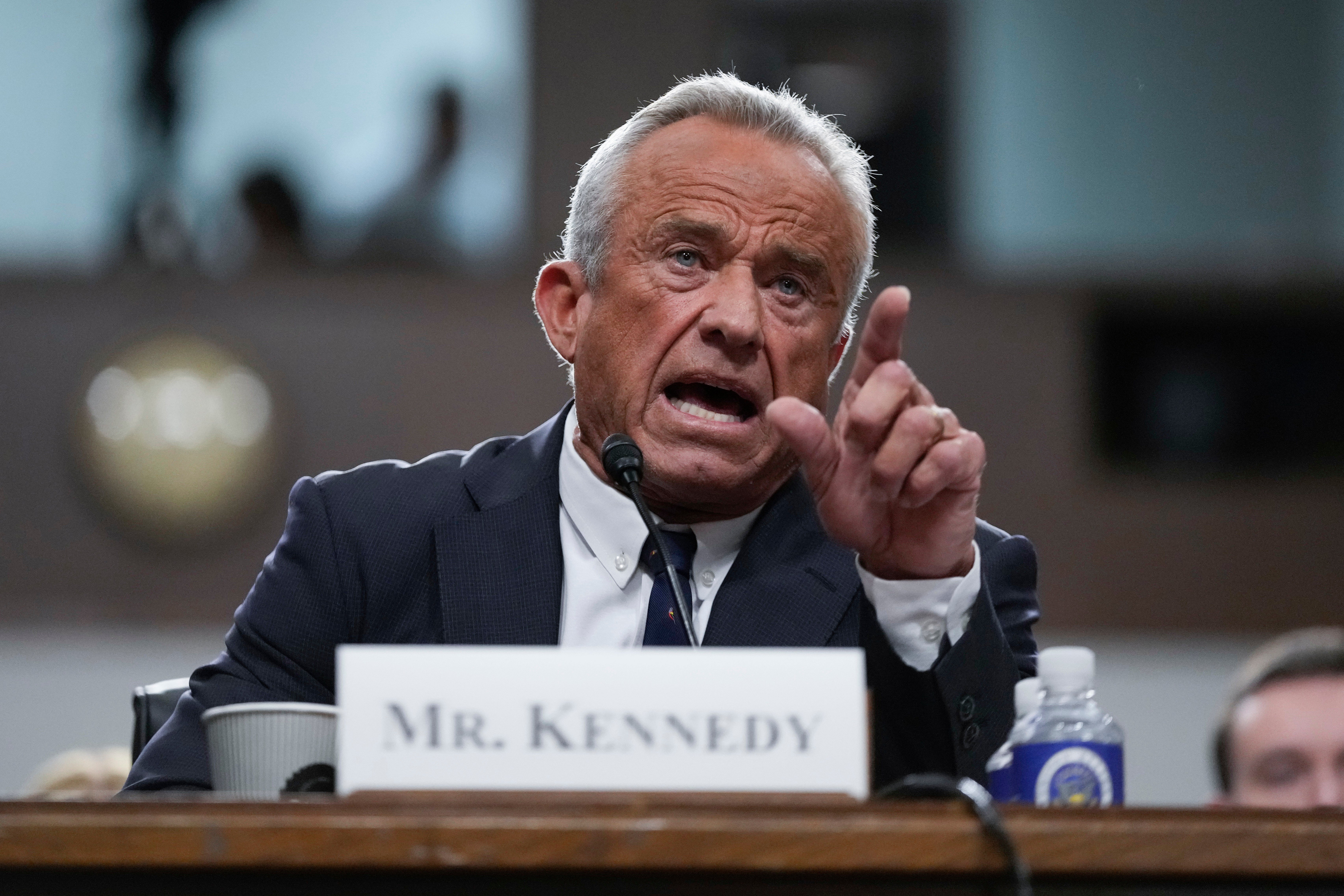
The economic toll is staggering. Depression and related mental illnesses cost U.S. workers an estimated $333 billion in 2019 alone, according to Yale Medicine. Beyond the financial impact, the condition forces many out of the workforce and disrupts family life, with parents struggling to maintain daily routines and families facing mounting medical and childcare expenses.
Treatment remains a major challenge. Unlike antibiotics or pain relievers, antidepressants often fail to work. An analysis in the journal Nature found that nearly half of all patients with major depressive disorder do not respond to at least two available medications, a condition known as treatment-resistant depression. For these patients, the current standard of care offers limited options—only two FDA-approved treatments exist for the most persistent forms of the illness.
Enter psychedelics. Researchers like Dr. Benjamin Kelmendi, a psychiatrist at Yale, have launched clinical studies to examine how psilocybin—the active compound in magic mushrooms—affects brain function and alleviates depressive symptoms. Early results are promising. A Johns Hopkins randomized trial reported that 71% of participants with treatment-resistant depression who received psilocybin experienced clinically significant symptom reduction, with minimal side effects and low addiction potential. Ketamine and MDMA have also shown effectiveness for patients who have exhausted other options.
But experts caution that rigorous science is essential. The placebo effect is especially strong in depression studies, so researchers must determine whether these substances genuinely work, establish proper dosing, and ensure safety. That is why the new federal funding is critical. It will accelerate ongoing trials and help the FDA evaluate potential approvals for use under professional supervision.
President Trump's executive order, which directs $50 million toward psychedelic research, comes as the administration also pursues other health policy changes, including Medicaid drug price deals and broader efforts to address the mental health crisis. The funding could also intersect with other policy debates, such as public approval concerns tied to cost-of-living issues, as mental health care becomes a more prominent political issue.
The stakes are high. In 2024, suicide claimed nearly 49,000 lives, with an estimated two-thirds linked to depression. For those who survive, the condition drains emotional and financial resources. Advocates argue that expanding research into psychedelics offers a lifeline to patients who have run out of options.
Policymakers are increasingly open to exploring unconventional treatments. The new federal investment is a clear signal that the status quo is no longer acceptable. As clinical trials progress, the hope is that FDA-approved psychedelic therapies will become available to those who need them most, under proper medical oversight.