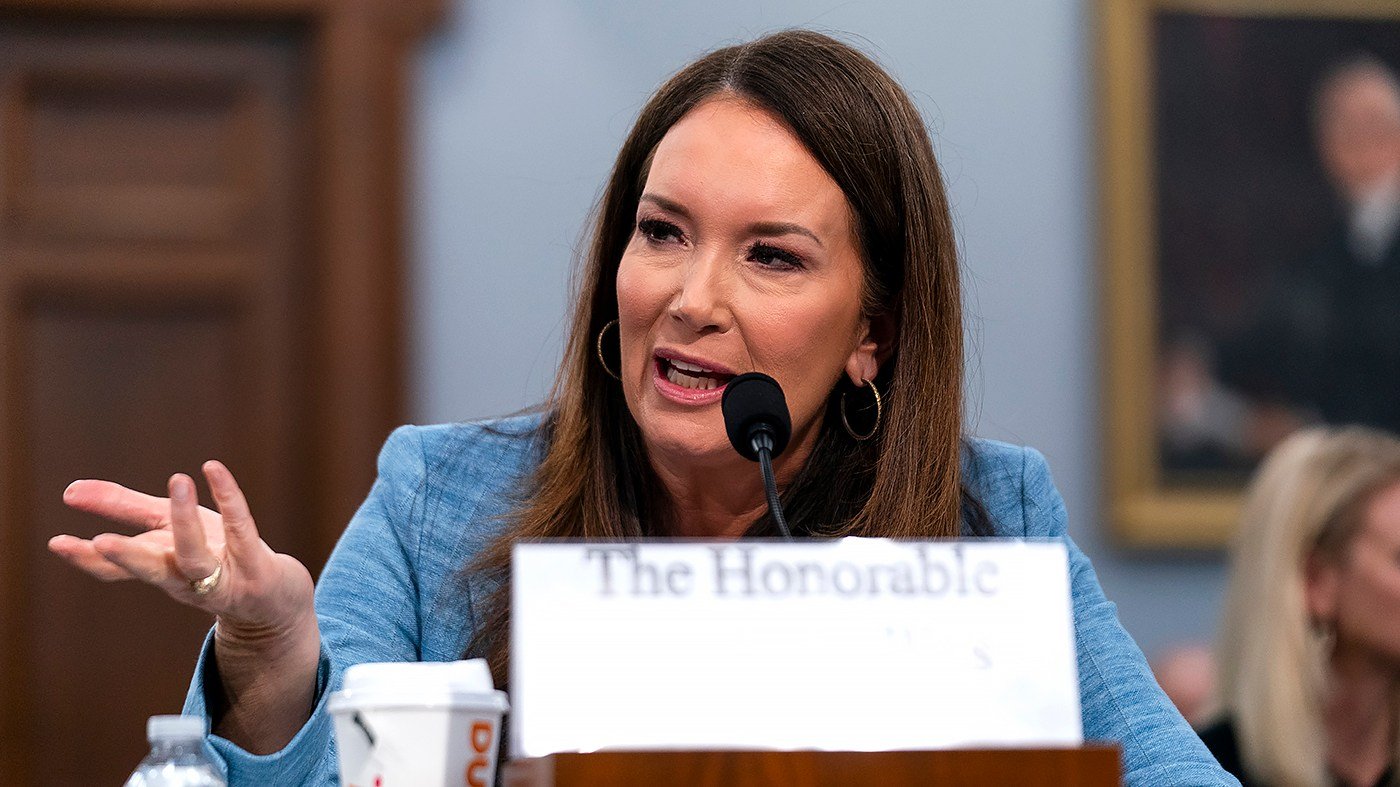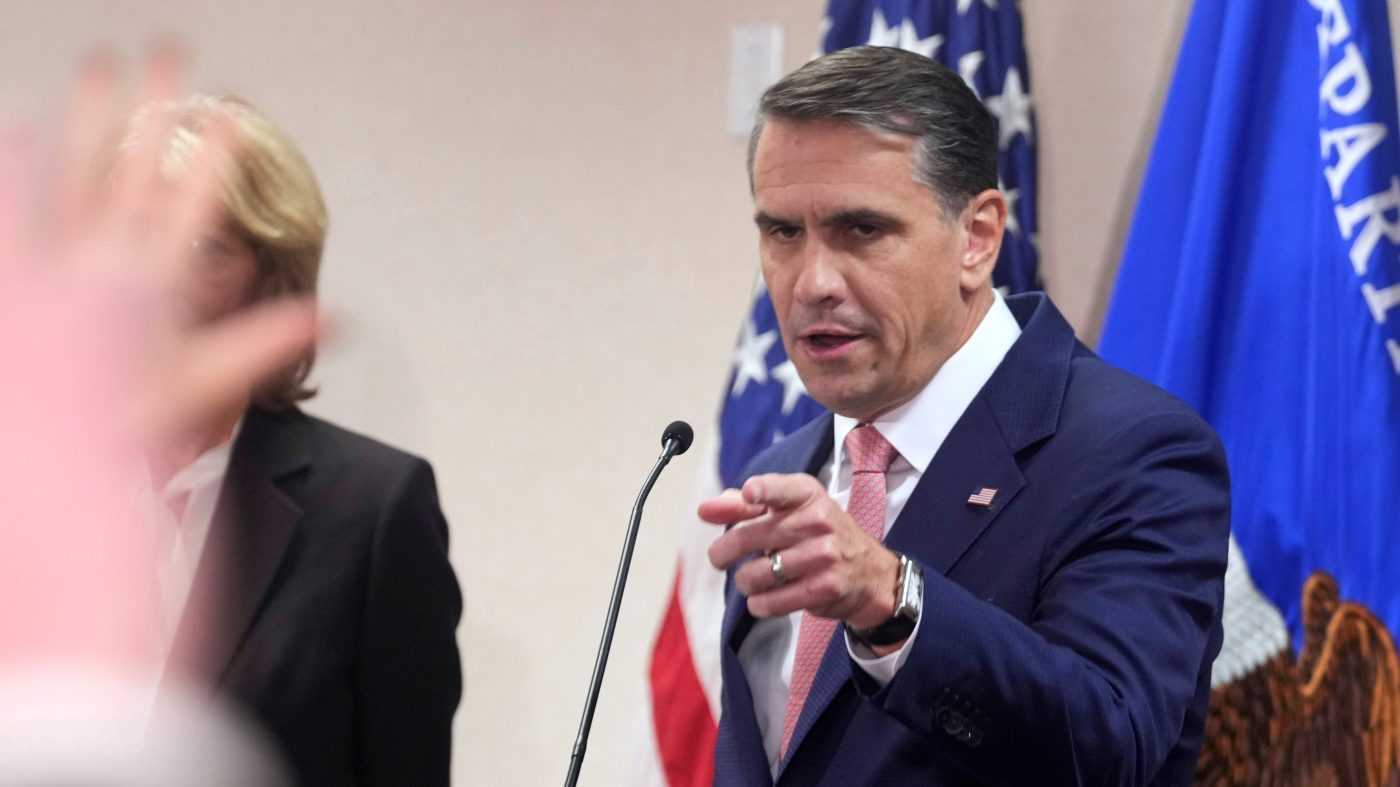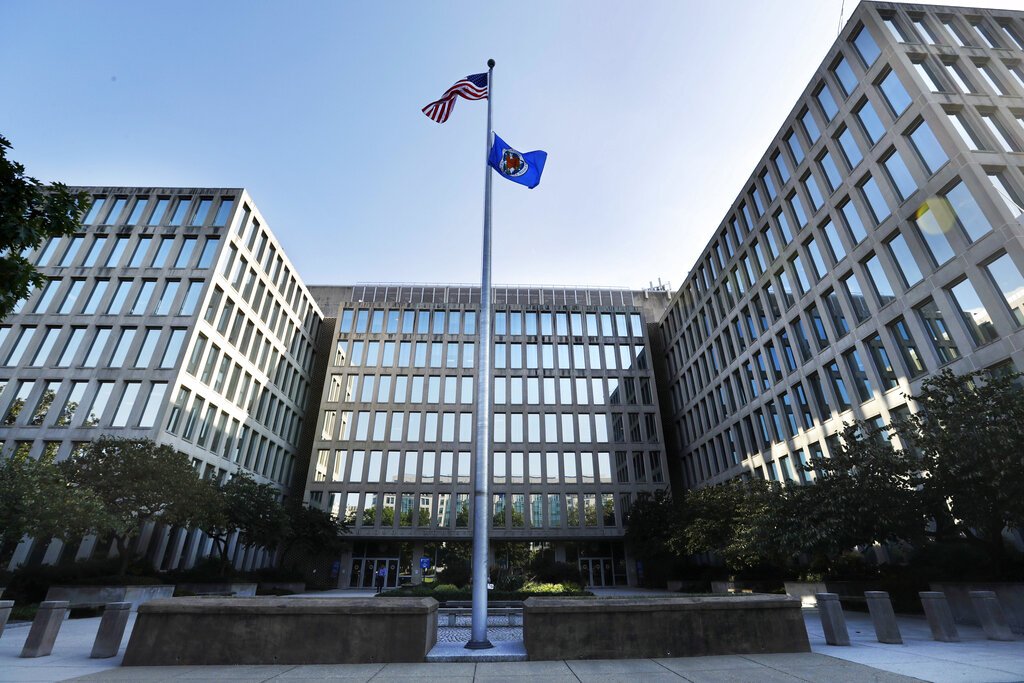
In 1822, James Madison warned that a popular government without popular information is a prelude to tragedy. That warning resonates today as the Trump administration pushes a sweeping non-disclosure agreement for all federal workers, barring them from sharing a broad range of what it calls 'confidential government information.' The move, published in the Federal Register by the Office of Personnel Management, has drawn sharp criticism from free speech and open government groups, who see it as an assault on the First Amendment.
The proposed rule defines 'privileged information' expansively, covering not just classified material but also 'any sensitive pre-decisional deliberative material that is not publicly available and would not be disclosed under applicable law.' While exceptions exist for whistleblower reports under the Whistleblowers Protection Act and for subpoenaed testimony, the rule creates a vast gray area that could chill legitimate disclosures. Although the agreement is labeled 'voluntary,' employees who refuse to sign face removal from federal service and potential debarment—a practice critics call 'coercive voluntarism.'
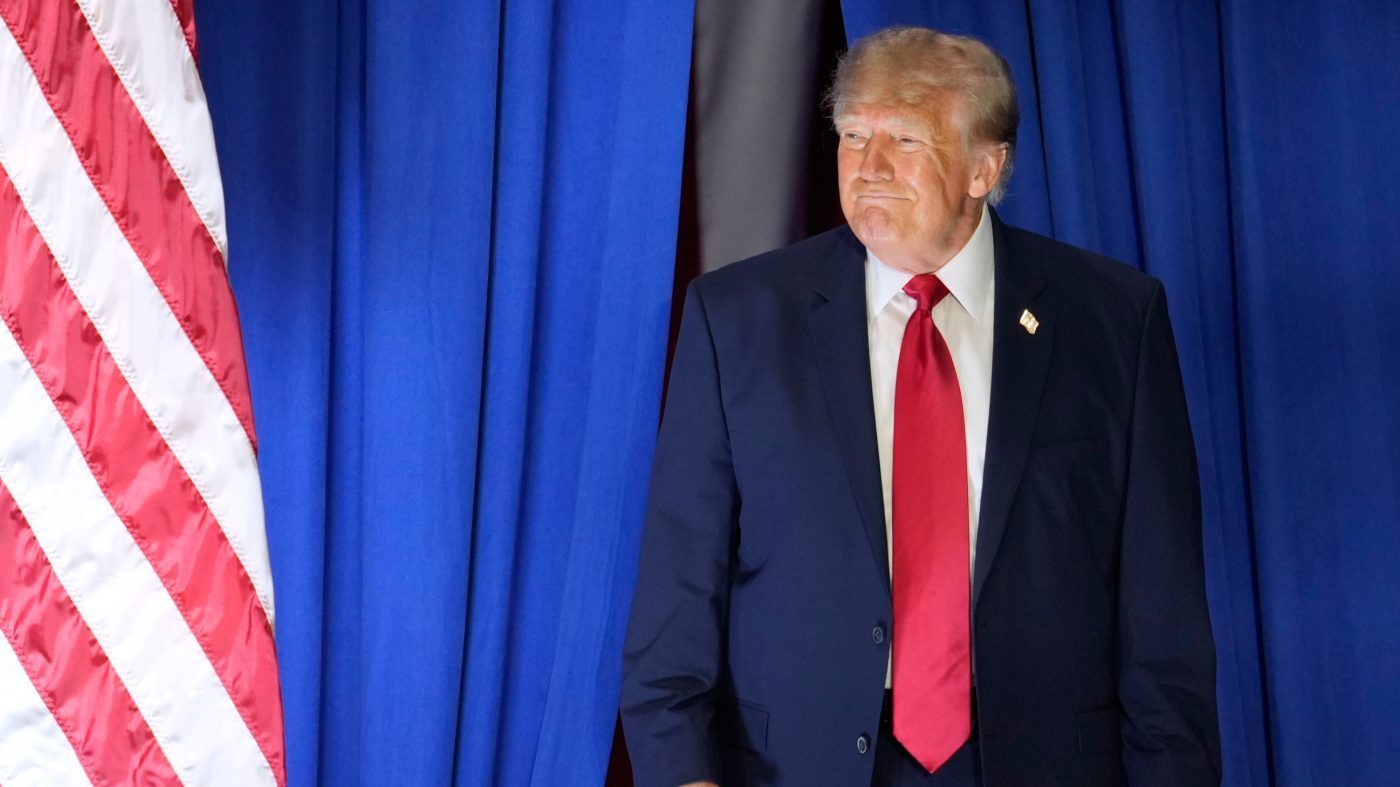
The ACLU and other advocacy groups have protested the rule as a gag order that will deter federal employees from speaking out on work-related matters. This comes as President Trump has followed through on his 2024 campaign promise to shrink the federal workforce. According to OPM data, civilian employment has fallen from over 2.3 million at the time of the election to 2 million today. The nonpartisan Partnership for Public Service reported 213,000 fewer civilian jobs by the end of last year, driven by retirements, resignations, and terminations.
Meanwhile, political appointments—patronage jobs—have reached their highest levels in decades, while career Senior Executive Service members have dropped by 30 percent. A new employment classification this year makes it easier to fire previously protected career employees, accelerating the loss of institutional knowledge and increasing political control over the federal workforce. Much of this upheaval stems from the Department of Government Efficiency, led last year by Elon Musk. Despite not being congressionally authorized, the entity slashed agencies and workers without appeals or congressional review, often ignoring essential public health and safety functions. Its impact has been met with judicial challenges and has produced far less savings than promised.
These efforts to curb the nonpartisan civil service are bookended by a Pentagon order from last October requiring reporters covering the Defense Department to only report information pre-approved by the secretary of Defense. That order prompted dozens of journalists to leave their Pentagon offices and return their badges, seeking workspace elsewhere. The cumulative effect is a tightening noose on the public's access to government information.
Madison's foresight underscores the fundamental need for an informed citizenry in a democracy. Government information gathering and sharing is a two-way street; blocking one lane leads to democratic gridlock. Breaking that gridlock will require concerted pushback from voters, the media, and Congress. As the Trump administration pushes these measures, the battle over transparency and accountability intensifies.