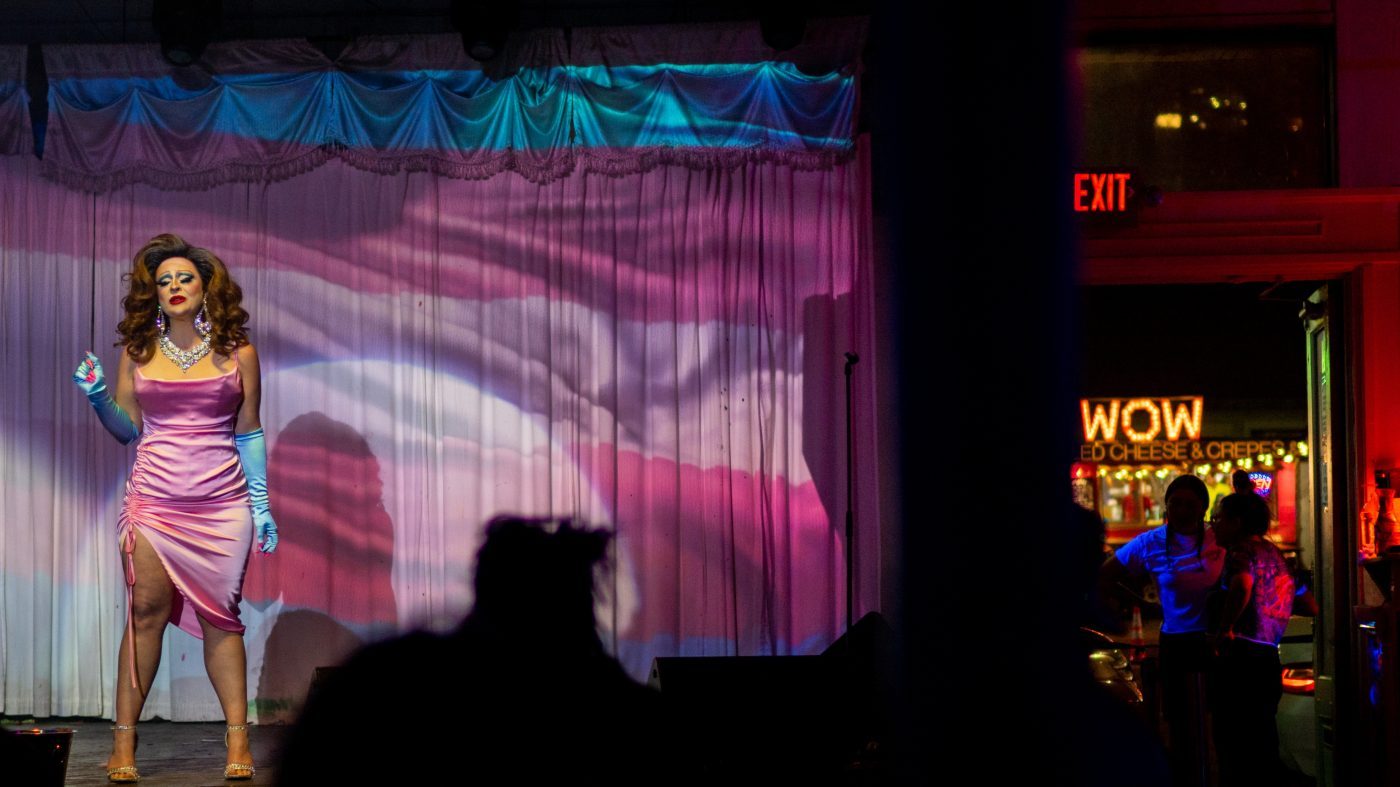
A federal judge in Texas has once again invalidated a state law that sought to restrict public drag performances, marking the second time the measure has been blocked on constitutional grounds. U.S. District Judge David Hittner ruled Tuesday that Senate Bill 12, passed by the Republican-controlled Legislature in 2023, runs afoul of the First Amendment, calling it an unconstitutional restriction on free speech.
In his ruling, Hittner found that the law's definition of prohibited performances was “unconstitutionally vague.” He specifically pointed to the phrase “prurient interest in sex” as open-ended, which he said could allow officials to “cherry-pick particular aspects of performances that might be 'in some sense erotic.'” The decision permanently blocks Texas Attorney General Ken Paxton, the named defendant, from enforcing the statute.
The ruling is a victory for the plaintiffs, which include 360 Queen Entertainment, Extragrams, The Woodlands Pride, Abilene Pride Alliance, and drag performer Brigitte Bandit. Bandit, a lifelong Texan, said in a statement that “drag has always been a form of free expression” and expressed relief that the court recognized that. She also criticized the state for trying to “censor art and stoke hatred and violence against drag artists and the LGBTQIA+ community.”
This is the second time Hittner has struck down S.B. 12. In 2023, he issued an injunction, ruling that the law created “viewpoint discrimination” and was “substantially overbroad as written.” That decision was appealed, and the 5th U.S. Circuit Court of Appeals later vacated the injunction and sent the case back to the district court. The appellate panel, led by Judge Kurt Engelhardt, instructed Hittner to apply the framework established by the U.S. Supreme Court in the 2024 case Moody v. Netchoice, which narrowed how courts evaluate First Amendment challenges.
After the 5th Circuit's order, S.B. 12 went into effect while the case was being reconsidered. But in his latest ruling, Hittner concluded that the Moody test and the appellate court's opinion “did not disturb” his earlier analysis, and he again halted enforcement of the law.
Paxton, a Republican, immediately criticized the decision on social media, calling it a “flawed decision that endangers our children and is an affront to Texas values.” He confirmed that his office will appeal the ruling back to the 5th Circuit, which will now evaluate the case under the Moody standard.
The legal battle over S.B. 12 is part of a broader national debate over drag performances and LGBTQ rights. Similar measures have been introduced in other states, and courts have often been asked to weigh in on whether such laws improperly target expressive conduct. The Texas case also comes amid ongoing political battles over social issues in the state, including recent battleground polling that shows competitive House races and a heated Senate contest where candidates are sparring over policy platforms.
Legal experts say the 5th Circuit's application of Moody could be pivotal. The Supreme Court's decision in that case set out a more restrictive test for evaluating whether laws that regulate online platforms or other speech venues are overbroad. How that applies to a law targeting live performances remains an open question, and the appeal could eventually reach the Supreme Court.
For now, drag performers and LGBTQ advocates in Texas are celebrating the ruling, though they acknowledge the fight is not over. “This is a win, but we know the state will keep pushing,” said one activist close to the case. “We'll be ready for whatever comes next.”