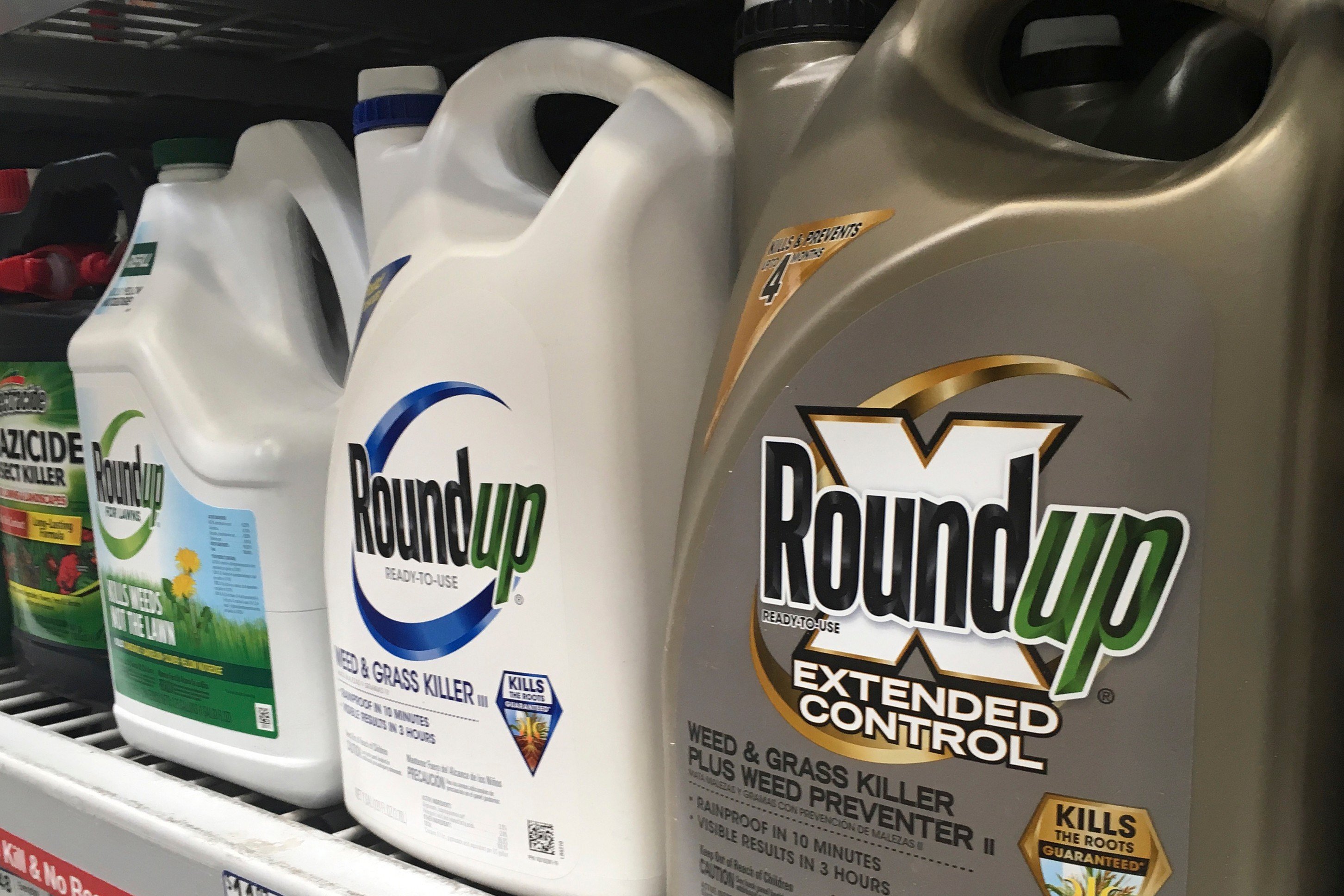
In a 7-2 decision, the Supreme Court sided with Monsanto, ruling that the Environmental Protection Agency's approval of Roundup's label without a cancer warning preempts state failure-to-warn claims. The ruling, which shifts power away from juries and states, raises concerns about corporate accountability and public safety.
The case originated with John Durnell, a St. Louis resident who developed non-Hodgkin's lymphoma after using Roundup in his neighborhood parks for over 20 years. A jury previously found that Monsanto failed to warn about cancer risks and awarded damages. However, the Supreme Court held that federal law preempts such claims, arguing that EPA approval establishes a uniform standard.
Critics argue that the decision undermines the ability of states and juries to hold corporations accountable when federal agencies approve products. “When a federal agency approves a product, can a corporation use that approval to block people from seeking justice? Monsanto argued yes. The court agreed,” the ruling's dissent noted.
The ruling does not bar all lawsuits against pesticide companies but limits recourse under state failure-to-warn claims. This is particularly concerning given that federal agencies often rely on industry data and face political pressure, as seen with the EPA's oversight of concentrated animal feeding operations, which the Government Accountability Office found to be incomplete and inaccurate in 2008.
Industrial agriculture, including the use of Roundup for monoculture corn and soy, follows a pattern of using federal authority as a shield against stronger state and local regulations. This system leaves workers, animals, and communities exposed, with executives rarely bearing the costs.
The decision is a red flag for those who care about health, food, and farming. As Gene Baur, president of Farm Sanctuary, wrote, “Legality does not guarantee safety, federal approval does not guarantee justice, and regulation does not guarantee protection.” He called on Congress to make clear that federal approval does not create corporate immunity and to reject industry efforts to erase state animal welfare laws, such as California's Prop 12.
Lawmakers should also consider broader reforms to ensure that federal approval sets a safety floor, not a ceiling, and that communities can demand stronger protection when people suffer harm. Without such action, the system risks failing the public.