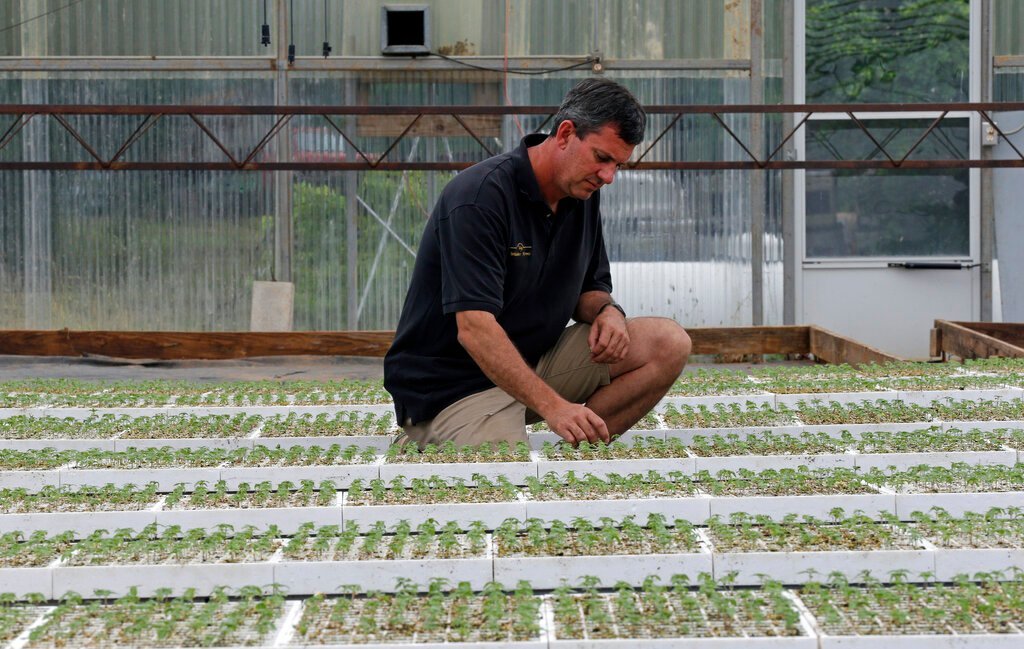
The 2018 farm bill was meant to boost American agriculture, not unleash a wave of psychoactive gummies and vapes. But that's exactly what happened. Exploiting the legal definition of hemp, businesses created intoxicating cannabinoid products that quickly spread from farms to convenience stores and smoke shops nationwide.
These products, often packaged to resemble candy or drinks, are sold without the safeguards typical of medical or recreational marijuana programs. The result is a regulatory gray area that states are now forced to confront.
Texas and Arkansas offer a stark contrast in approaches. In Texas, Governor Greg Abbott vetoed Senate Bill 3, which would have banned consumable hemp products with intoxicating cannabinoids while preserving non-intoxicating CBD and CBG. That veto gave the industry more time to establish a foothold in the nation's second-largest state. Leases are signed, trade groups grow, and political donations flow—making future reform harder.
Arkansas took a tougher line. Governor Sarah Huckabee Sanders signed restrictions, and despite an initial court block, the Eighth Circuit Court of Appeals reversed that injunction in Bio Gen LLC v. Sanders. The court rejected the argument that the farm bill preempts state authority and dismissed vagueness challenges. While not binding nationwide, the ruling signals that states can regulate these products.
Congress has finally acknowledged the problem. A 2025 law narrows the definition of legal hemp by considering total THC content and excluding certain derived cannabinoids, effective November 12, 2026. But enforcement, testing, and online sales remain unresolved, and the industry will likely seek new loopholes.
The op-ed's author, Paul Chabot—a disabled Navy veteran and former White House advisor—argues that veterans shouldn't be used as cover for an unregulated market. He calls for responsible medical channels for cannabis-based treatments, not intoxicating products sold in retail settings.
Chabot warns that preventing substance abuse is easier than reversing its damage once normalized. Availability, potency, and youth marketing all matter. He urges other states and Congress to learn from Arkansas's persistence and Texas's setback.
As the debate continues, the political landscape shifts with broader policy battles. But the core issue remains: closing the unintended loophole before the intoxicating-hemp industry becomes too entrenched to control.