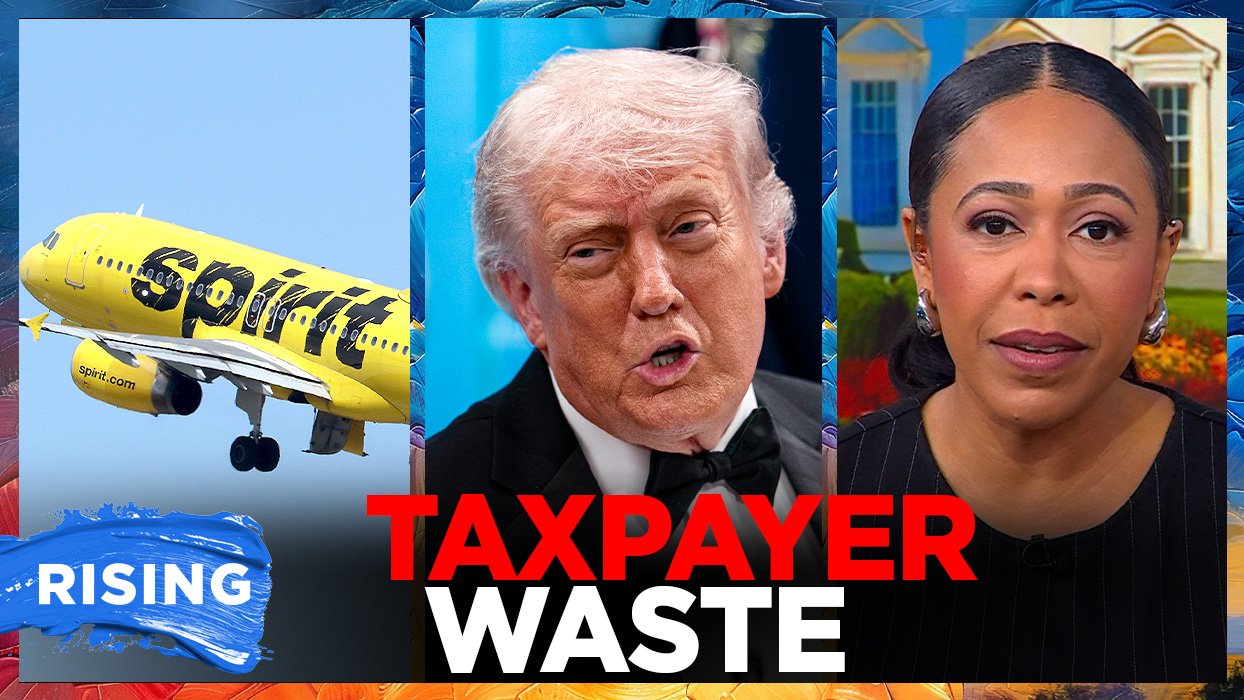
Low-cost carriers, with Spirit Airlines at the forefront, are pressing the Trump administration for $2.5 billion in emergency relief as the escalating conflict with Iran drives jet fuel costs to double their usual levels. The request lands amid a broader debate over government intervention during wartime—and has drawn rare bipartisan opposition.
Senators Elizabeth Warren and Ted Cruz, typically at odds, have both publicly slammed the proposal. Cruz called it a “terrible idea,” while Warren questioned whether taxpayer dollars should prop up private companies in a market that hasn't fully collapsed. Their joint criticism underscores the political tightrope the administration faces as it weighs a rescue that echoes the COVID-era airline bailouts, but in a far different context.
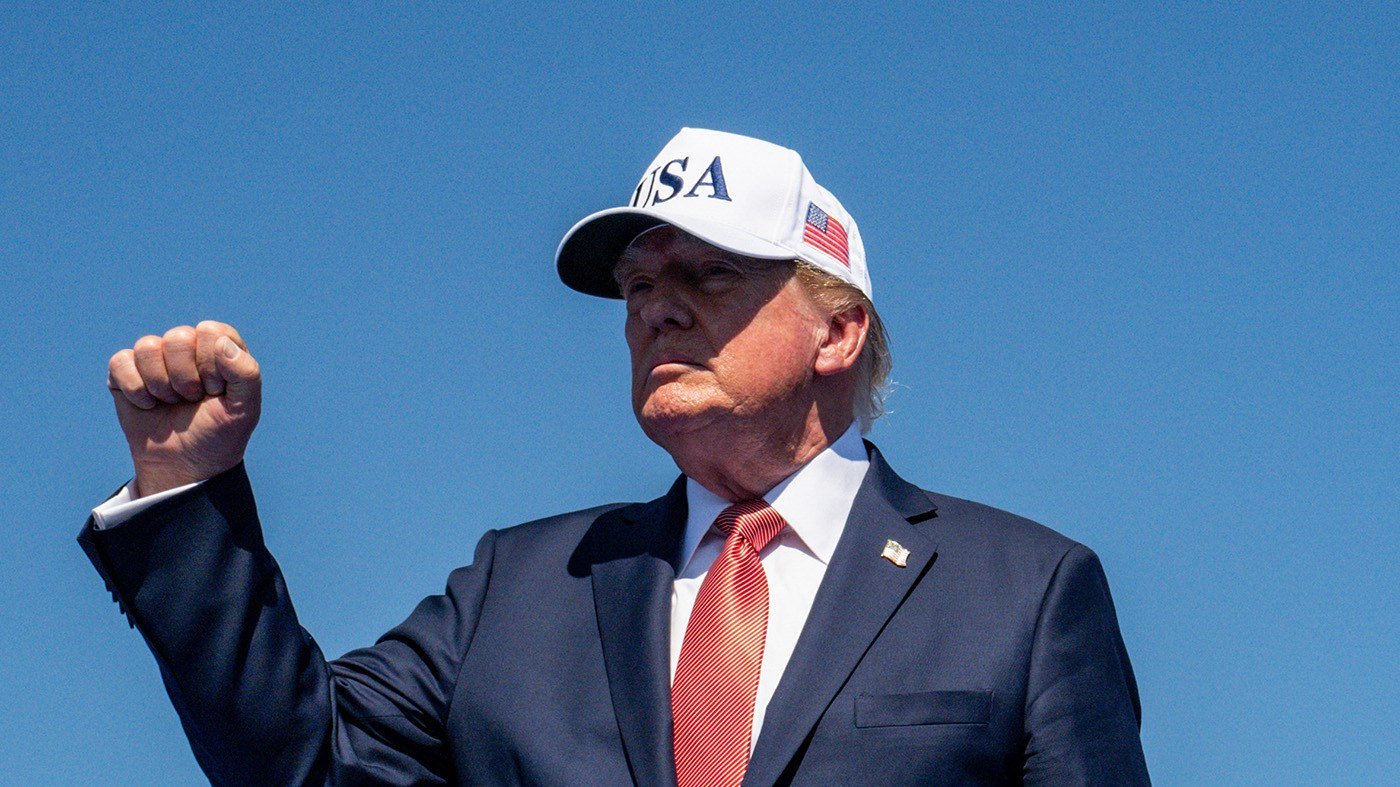
President Trump has floated an alternative: buying Spirit outright, framing it as a job-saving move that could later yield a profit. That proposal has alarmed conservatives like Cruz, who warn it blurs the line between government and private enterprise—a line Republicans have historically defended. Meanwhile, the broader airline industry is adapting by raising fares and tweaking operations, suggesting the crisis hasn't triggered a system-wide meltdown.
The fuel spike is real and painful for budget airlines operating on razor-thin margins. For everyday Americans who rely on carriers like Spirit for affordable travel, higher ticket prices and fewer routes could become a new reality. But unlike 2020, when the pandemic froze global travel overnight, demand remains steady. Major airlines are absorbing costs without seeking federal aid, raising questions about why low-cost rivals need a taxpayer lifeline.
This debate isn't just about airlines—it's a test of how far the government will go to shield Americans from the economic fallout of foreign conflict. As the Trump administration navigates its Iran strategy, the bailout request forces a reckoning: Should Washington intervene to stabilize one sector, or does that set a precedent that reshapes the rules of the market?
The White House has not yet responded to the request, but the president's interest in acquiring Spirit adds another layer of complexity. With lawmakers on both sides wary, the outcome could signal how the administration balances wartime economic pressures with fiscal restraint.