September's inflation report delivered a fresh political headache for both parties just weeks before the midterm elections, as the annual rate ticked up to 3.7% and energy prices surged. The new data from the Bureau of Labor Statistics shows that while overall inflation remains well below the 40-year peak hit in 2022, the recent climb has put affordability back at the center of the campaign trail.
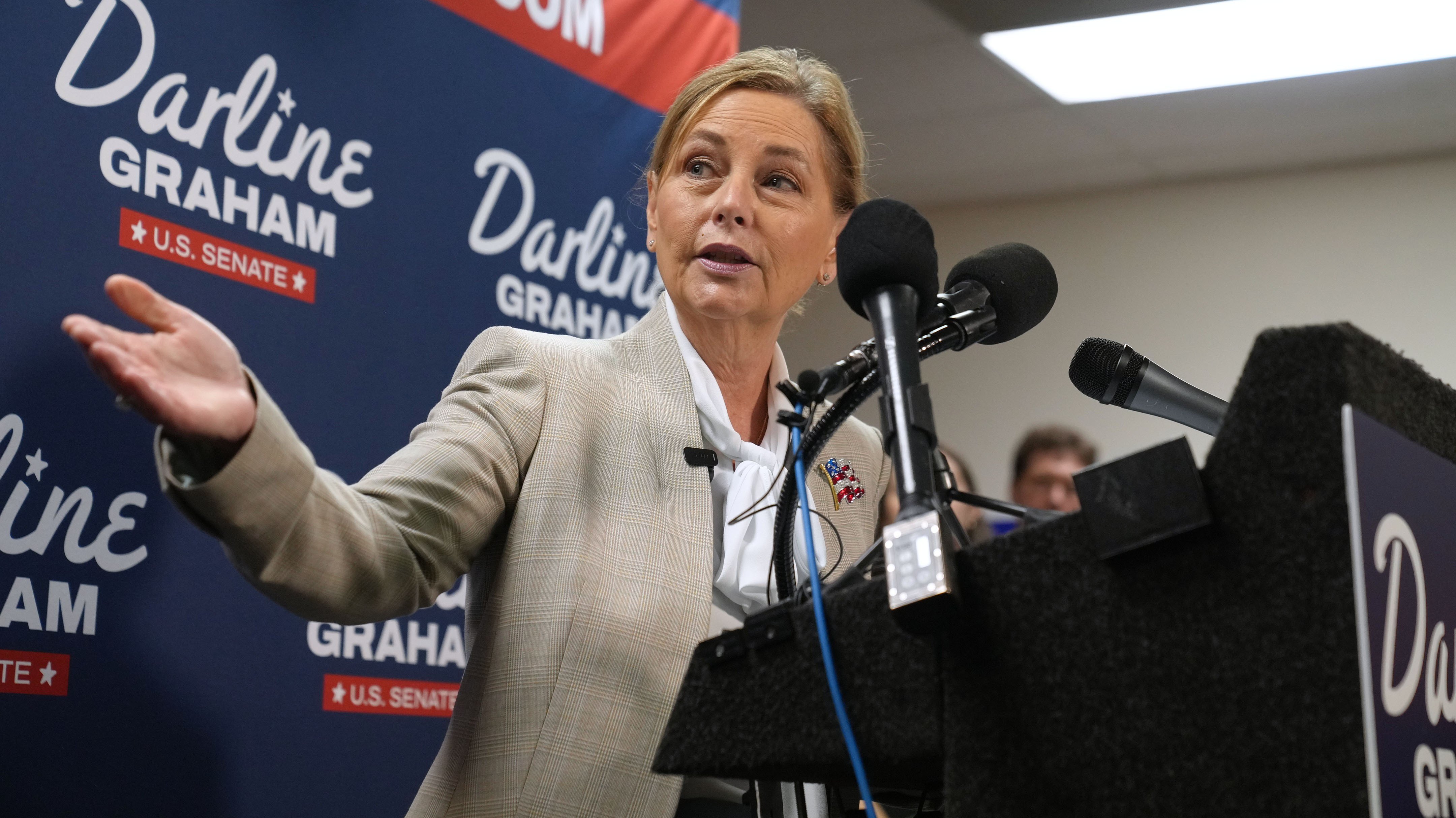
Democrats, who are trying to hold their narrow majorities in the House and Senate, have seized on the price increases to attack President Trump's tariff policies and the ongoing conflict with Iran, which they argue have disrupted supply chains and driven up costs. Republicans, meanwhile, have sought to paint their opponents as out of step with working families, pointing to progressive primary wins as evidence of a party drifting leftward.

Energy and Gas Lead the Climb
The most striking increases came in energy and gasoline. Energy prices jumped 2.1% from August to September, the largest monthly gain since the start of the Iran war in March. On an annual basis, energy is up 20.4%. Gasoline alone rose 9.1% last month, pushing the year-over-year increase to 35.3%.
According to AAA, the national average for a gallon of regular gas now stands at roughly $4.26, down from $4.48 a month ago but more than $1.20 higher than a year ago. Drivers in California are paying over $6 a gallon, with Washington and Nevada also above $5.
The price pressures are compounded by disruptions in global oil markets. Iranian attacks on tankers in the Strait of Hormuz have escalated, and Ukrainian strikes on Russian refineries have tightened refined fuel supplies. These factors have kept crude and diesel prices elevated, feeding directly into U.S. pump prices.
Electricity and Food: Mixed Signals
Electricity costs rose 0.2% month-over-month in September, reversing a similar decline in August. Year-over-year, electricity is up 4.4%. The increase is partly driven by surging demand from data centers, a point President Trump addressed on Truth Social, suggesting that companies should generate their own power to avoid burdening local grids. He wrote that new data centers should "make their own electricity" and sell excess back to communities, potentially leading to a "substantial decrease" in prices.
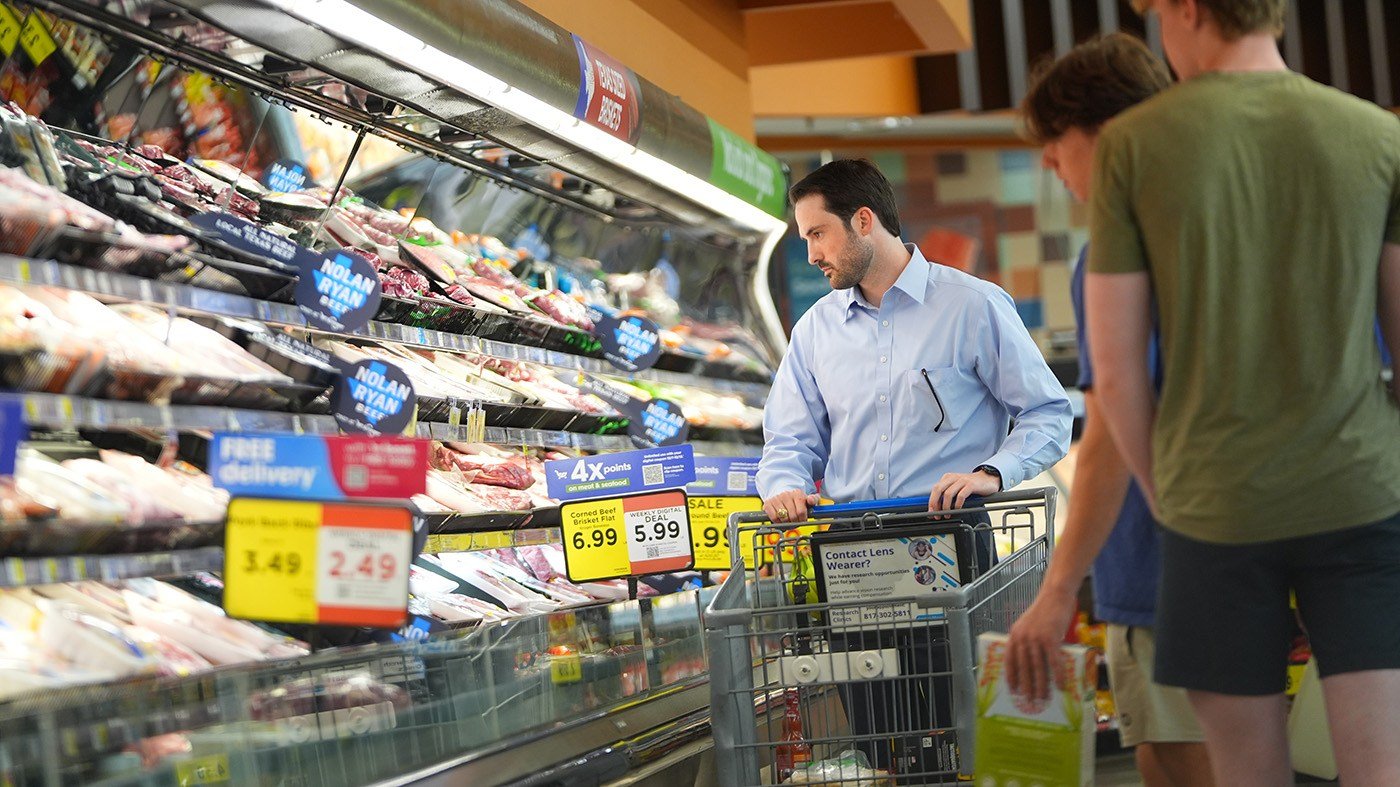
Food prices were more stable. The cost of groceries dipped 0.1% from August to September, while restaurant prices edged up 0.2%. Over the past year, food is up 2.5%. Notably, eggs have fallen to an average of $2.27 per dozen, down nearly 35% from last year and far below the $6.23 peak seen in March 2025. Ground beef, however, is up 2.4% annually, though it has eased from its June peak. Chicken prices remain flat at $2.06 per pound.
Used Cars and the Broader Economy
Used car prices slipped 1.5% from a year ago, but they rose 0.7% in September, marking a third consecutive monthly increase. Heather Long, chief economist at Navy Federal Credit Union, described the auto repair and parts industry as facing a "perfect storm" of expensive components and labor shortages, which is pushing up costs beyond just vehicle purchases.
The Federal Reserve, which raised interest rates by a quarter point last month to combat sticky inflation, is set to meet again next week. Officials are weighing whether to hike again or hold rates at 3.75% to 4%. The inflation rate remains above the Fed's 2% target, where it has stayed for over five years.
With the midterms approaching, the economic narrative is likely to dominate voter concerns. A recent poll found that a record 71% of Americans believe the country is on the wrong track, a sentiment that could shape turnout. Meanwhile, the political landscape is also being influenced by other issues, such as recent changes to Social Security records and ongoing debates over election rules. As the campaigns enter their final stretch, both parties are betting that their economic message will resonate with voters at the ballot box.