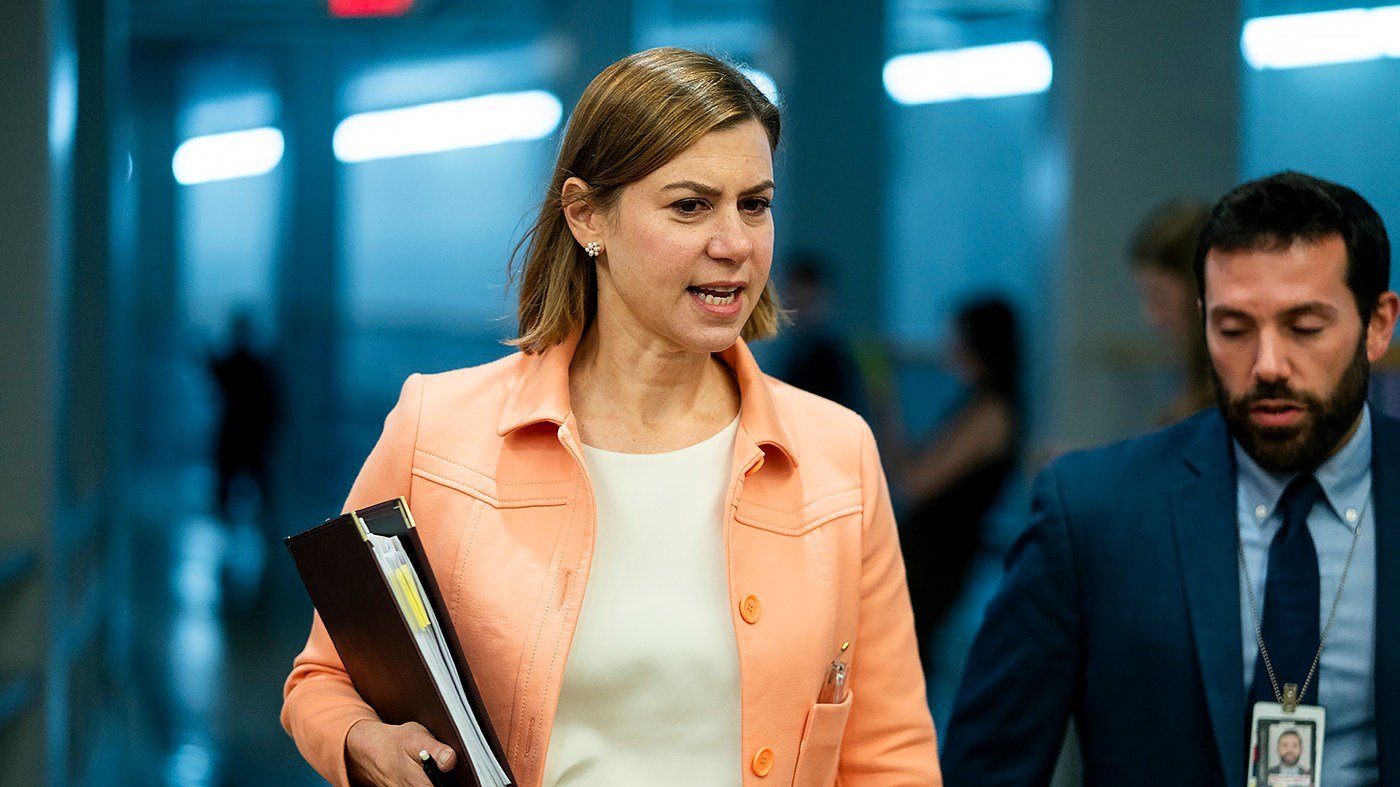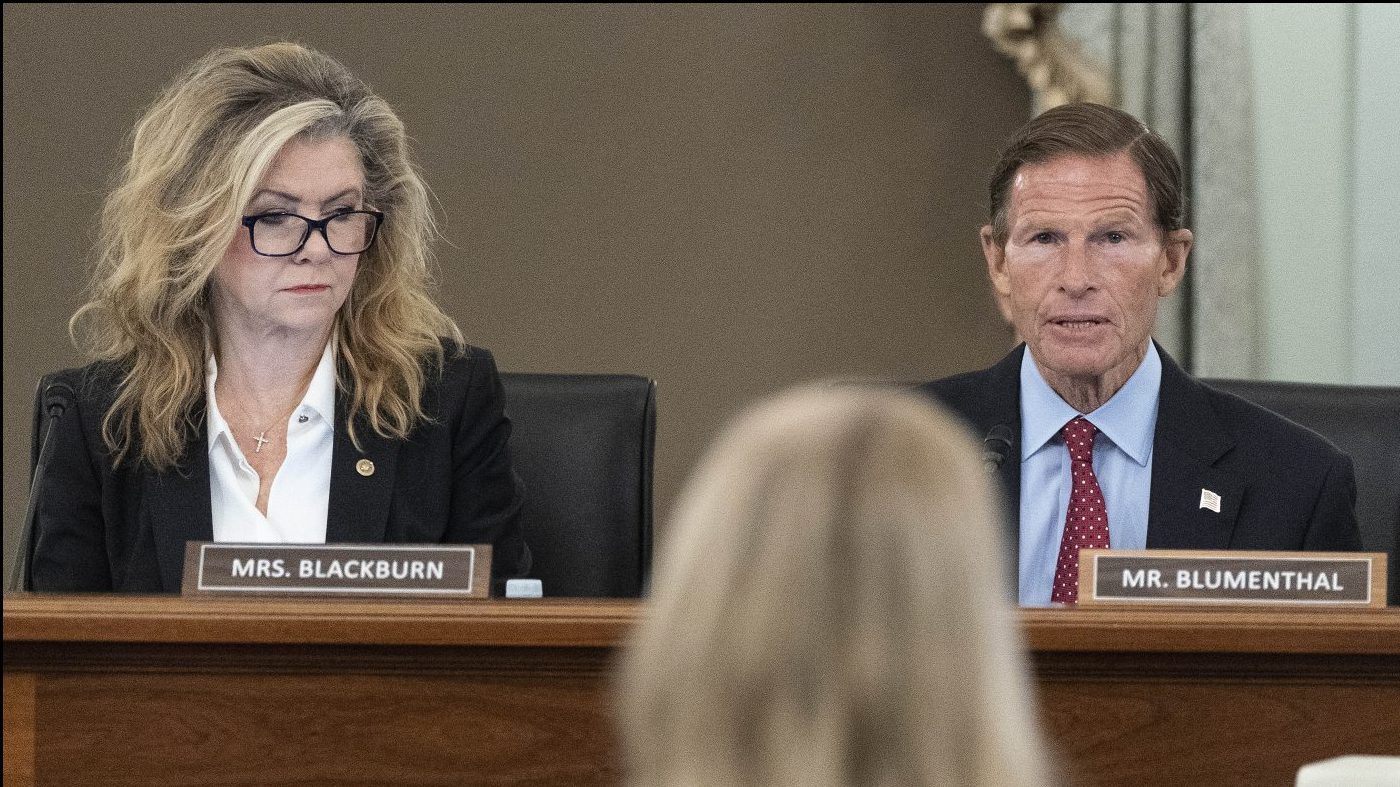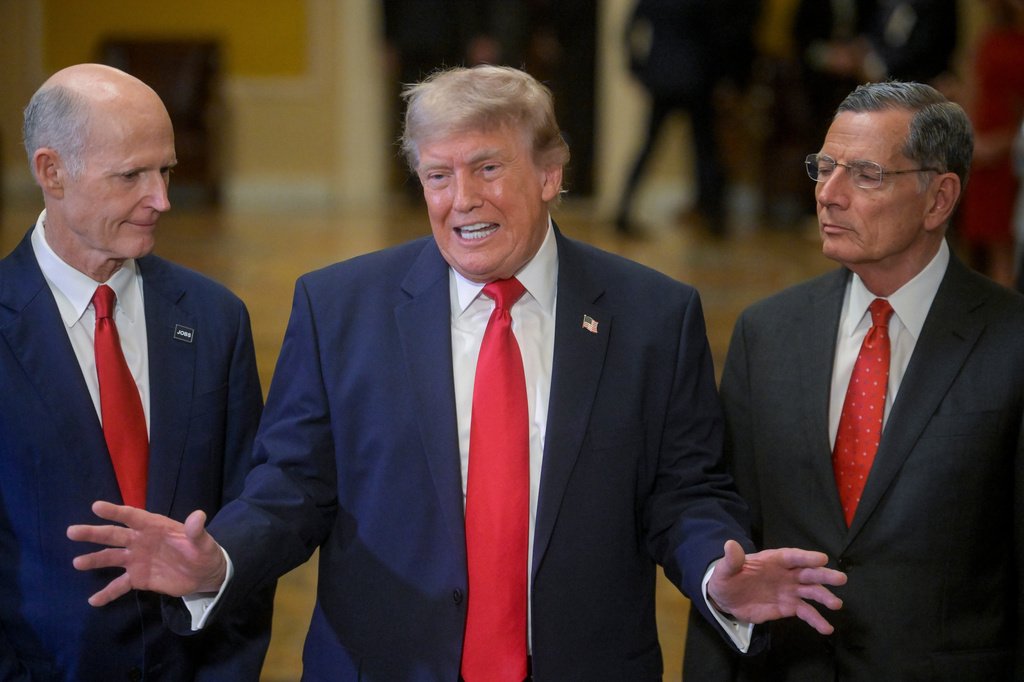
The Senate delivered a whipsaw verdict on Iran war powers last week, voting one day to block further military action and then reversing course the next, after President Donald Trump personally berated four Republican senators who had crossed party lines.
On Tuesday, the chamber adopted a House-passed resolution barring unauthorized U.S. military activities against Iran by a 50-48 margin, with GOP Senators Susan Collins of Maine, Bill Cassidy of Louisiana, Lisa Murkowski of Alaska, and Rand Paul of Kentucky joining Democrats. But the victory for war powers advocates proved fleeting.

The following day, Trump attended a closed-door Senate Republican lunch where he lashed out at the four defectors. According to multiple accounts, the president demanded, “Why would anybody vote for the war powers resolution?” Cassidy, who had just lost his primary to a Trump-backed challenger, shot back: “Is that a rhetorical question or do you really want to know?” He then accused the president of failing to communicate with the American public, not achieving his original objectives, and letting a planned four-week mission stretch into its fourth month. The exchange escalated into a shouting match, sources said.
By Wednesday, the political winds had shifted. Senator Tim Kaine, a Virginia Democrat, moved to consider his own joint resolution—which, unlike the House measure, requires a presidential signature or veto. This time, Cassidy voted no, and Paul voted “present,” leaving the motion to fail 47-50. The Senate had effectively flipped its stance in 24 hours.
The administration has argued that the House resolution is unconstitutional, citing the 1983 Supreme Court case Immigration and Naturalization Service v. Chadha. In that ruling, the Court struck down a one-house legislative veto, holding that any measure with the force of law must pass both chambers and be presented to the president. The 1973 War Powers Resolution, however, still includes a provision allowing Congress to terminate hostilities via concurrent resolution—a mechanism the Court has not directly addressed, partly due to the “political question” doctrine that keeps courts from intervening in foreign policy disputes between branches.
The Senate’s Iran drama unfolded amid broader legislative chaos. Trump demanded an immediate vote on the SAVE America Act, an election law overhaul, and threatened to withhold support for a bipartisan housing affordability bill that had passed both chambers overwhelmingly. The election bill lacked the votes to pass, and the Senate adjourned a day early for a two-week recess in frustration.
The president also upended the confirmation process for his intelligence nominee, Jay Clayton, by ordering him not to appear before a hearing until the Senate first confirmed Clayton’s successor as U.S. attorney for the Southern District of New York. The move disrupted carefully laid scheduling plans and drew criticism from congressional leaders who prize procedural order.
Trump’s tactic of holding bills and nominations hostage to force action on his priorities has become a recurring theme, reminiscent of the 1941 film The Man Who Came to Dinner—only in this case, it’s the president who came to lunch, insisting not just on the menu but the order of courses. For a Congress that prides itself on disciplined scheduling, such interventions are a bitter pill to swallow.
For more on the constitutional stakes, see the Supreme Court’s recent avoidance of core separation-of-powers questions. Meanwhile, the president’s pressure on gas stations shows his willingness to intervene in market dynamics, and his $2 billion disclosure highlights potential conflicts of interest.