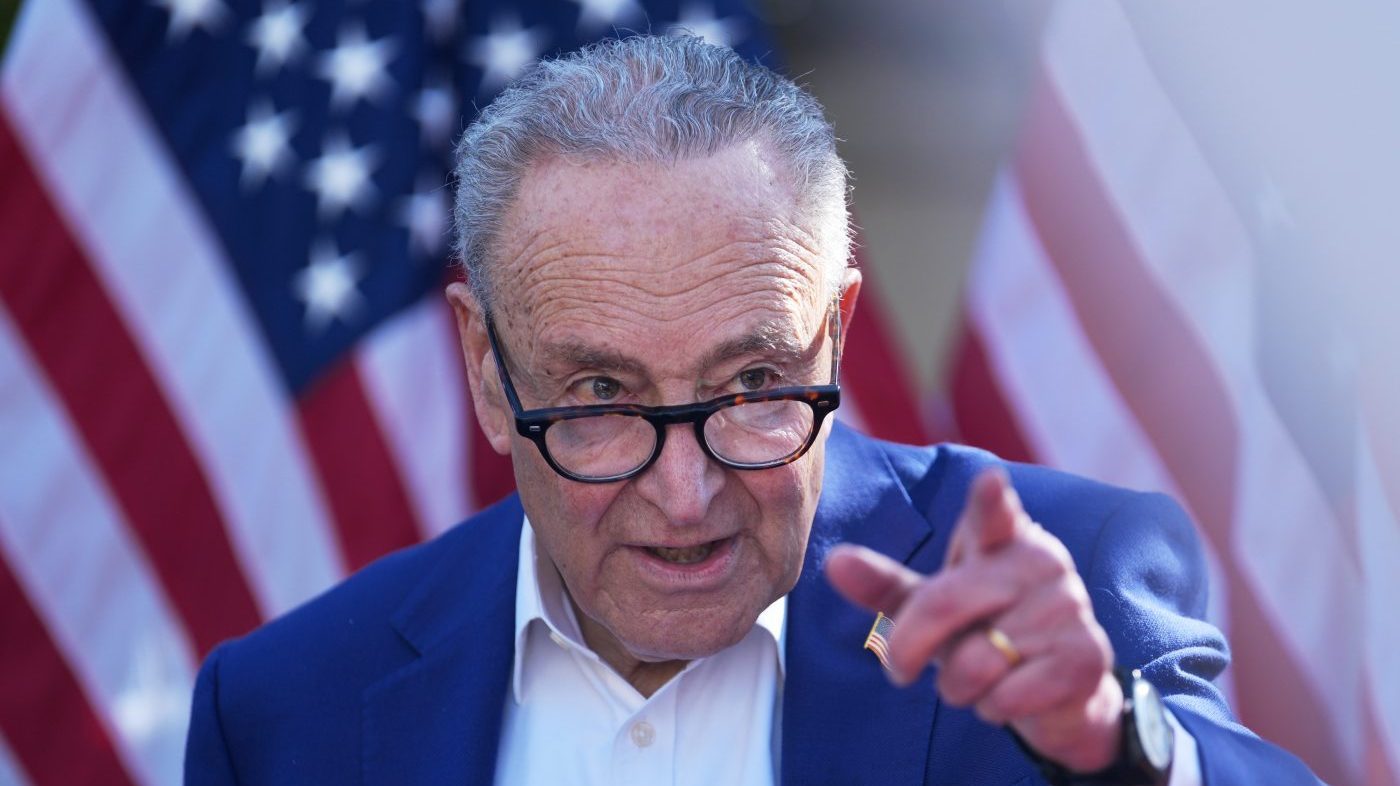
Senate Democratic Leader Chuck Schumer (N.Y.) declared on Wednesday that Democrats will leverage their control over federal spending to force an end to the U.S. military engagement with Iran, even as he acknowledged growing Republican support for a war powers resolution. Speaking at a press conference at the Democratic Senatorial Campaign Committee headquarters, Schumer asserted that the Founding Fathers intended the "power of the purse" to serve as a check on presidents who wage war without congressional consent.
"We are going to end the war. We have some Republicans already who have joined us in ending the war," Schumer said, referencing the four GOP senators who previously voted with Democrats to advance a war powers resolution. That measure, which would direct President Trump to withdraw U.S. troops from hostilities against Iran absent a formal authorization for use of military force, has become a central battleground in the Senate.

The four Republicans—Thom Tillis of North Carolina, Susan Collins of Maine, Lisa Murkowski of Alaska, and Rand Paul of Kentucky—have all signaled willingness to curb presidential war-making authority. However, a fifth Republican, Sen. Bill Cassidy of Louisiana, has flip-flopped on the issue. Cassidy supported a similar resolution in June but voted against the latest measure in late September after a heated confrontation with Trump during a private meeting and a subsequent huddle with Senate GOP leaders in the Mansfield Room.
Even if the Senate passes a binding war powers resolution, Trump could veto it, and Democrats lack the two-thirds majority needed to override. That is why Schumer and his colleagues are focusing on a more potent tool: the annual defense appropriations process. The White House requested nearly $70 billion in emergency Pentagon funding in June, but that request has stalled amid Democratic opposition. The regular Defense appropriations bill is also stuck, and Democrats are threatening to block both it and the National Defense Authorization Act until the conflict with Iran ends.
Sen. Brian Schatz (D-Hawaii), the incoming Senate Democratic whip, underscored the party's strategy in recent remarks. "My own view is that if the war is over, then the opportunity for bipartisanship on defense authorization and defense appropriations is there. I think if the war's not over it's going to be extremely difficult," Schatz told reporters.
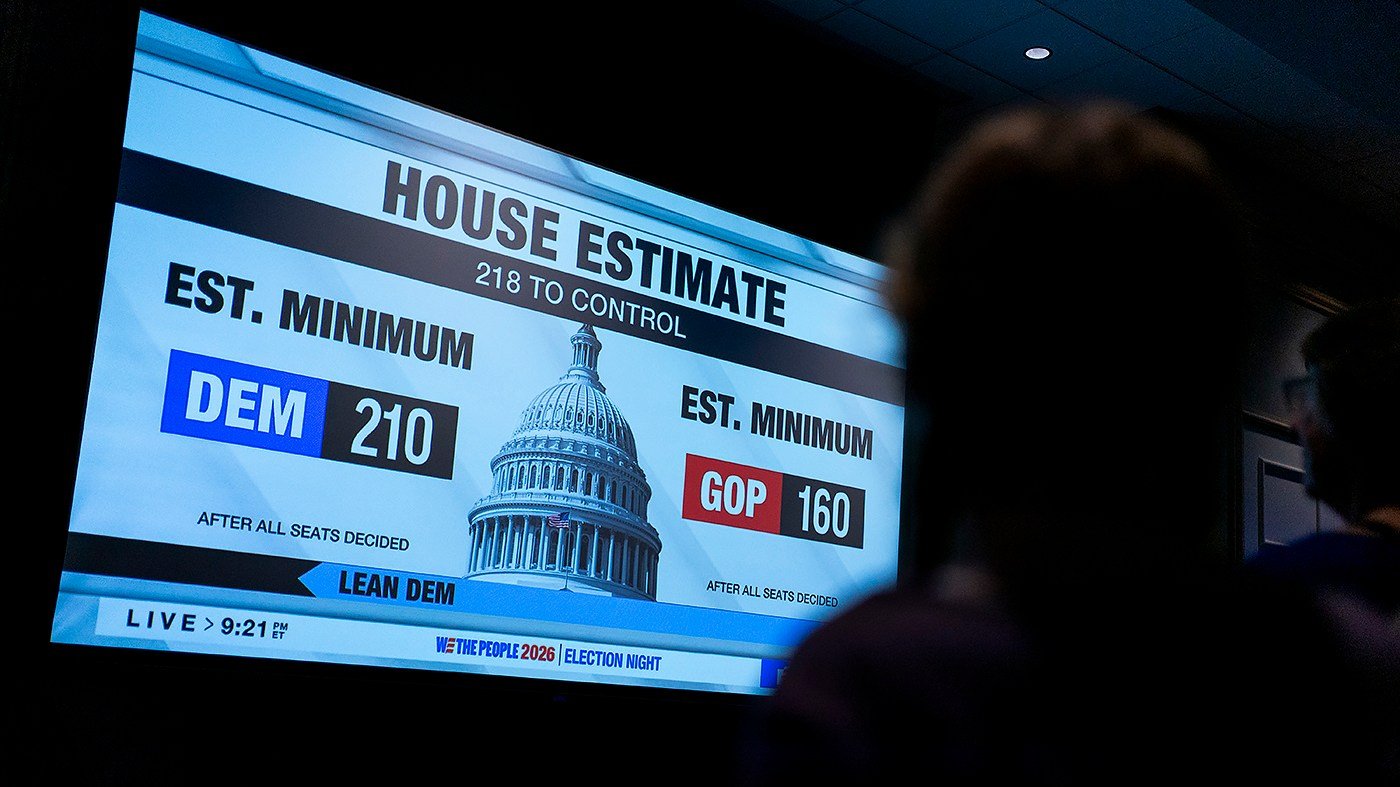
The standoff comes as Schumer consolidates his leadership position following the midterm elections, where Democrats defied expectations. The party's success has emboldened its push to constrain Trump's foreign policy, with Schumer framing the fight as a constitutional imperative.
Democrats are also eyeing the political fallout of the prolonged conflict. A recent GOP midterm collapse and record spending by outside groups have shifted the Senate landscape, giving Democrats more leverage. Schumer's threat to starve the Pentagon of funds is a direct challenge to Trump's assertion of broad executive authority in military matters.
The impasse over defense spending has broader implications for military readiness and national security. If Democrats follow through on their threats, the Pentagon could face a funding shortfall just as it manages ongoing operations in the Middle East and elsewhere. Republicans, meanwhile, accuse Democrats of playing politics with national security, arguing that the war powers resolution would tie the president's hands and embolden adversaries.
For now, the fate of the Iran war and the defense budget remain intertwined. Schumer's message is clear: unless Trump ends the conflict, the Pentagon will not get its money. Whether that pressure will force a change in policy—or provoke a constitutional clash—remains to be seen.