Russia launched a fresh wave of strikes on Kyiv and other Ukrainian cities early Tuesday, breaking a brief lull that had allowed President Trump's top peace negotiators to meet with Ukrainian President Volodymyr Zelensky in the capital. The attacks came hours after Jared Kushner and Steve Witkoff departed Ukraine following their Monday talks with Zelensky.
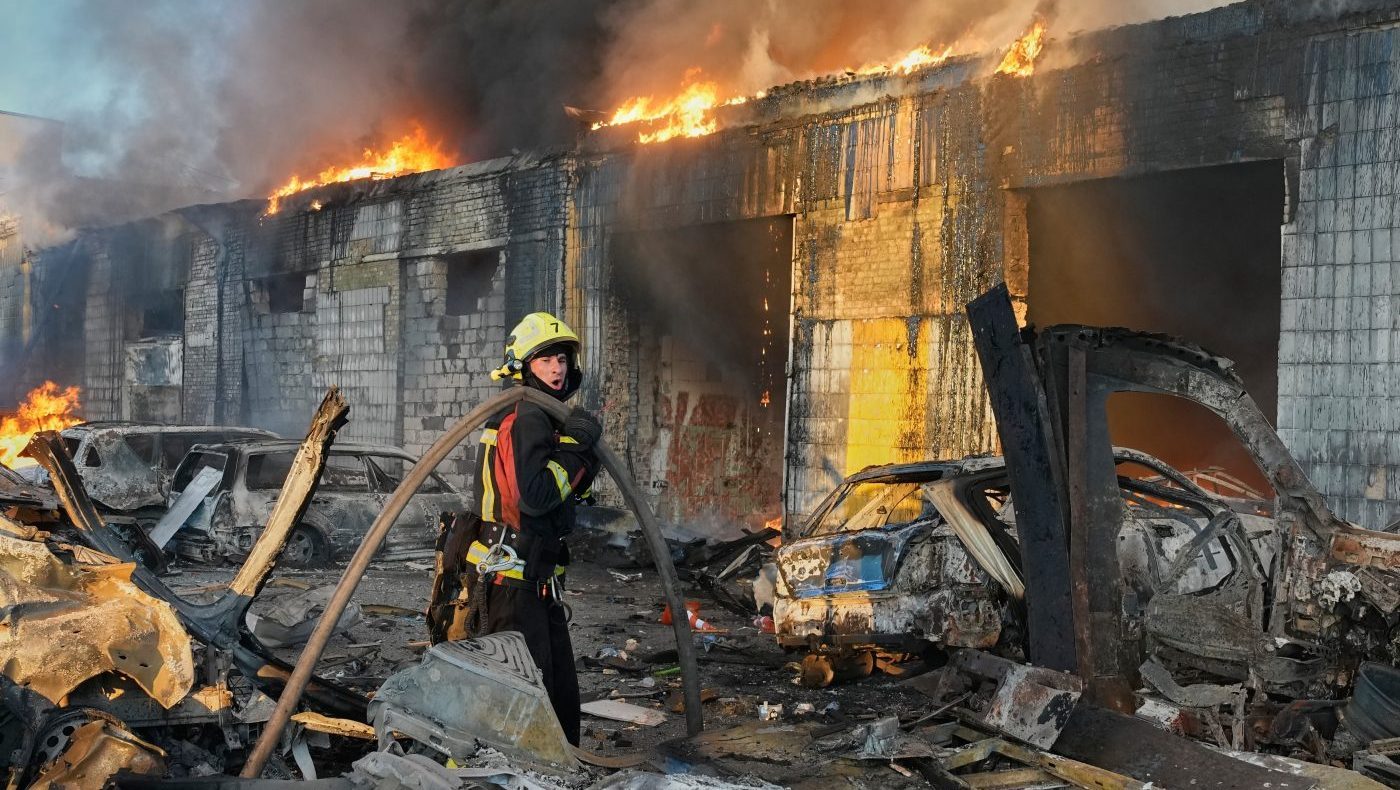
The Ukrainian Ministry of Defense said its forces intercepted 175 aerial threats overnight, but acknowledged that ballistic missiles slipped through, hitting residential buildings in Kyiv, a market in Odesa, and a train in the Sumy region. At least two civilians were killed, and more than a dozen were wounded in the capital, according to Ukrainian officials. Fires broke out in 14 high-rise buildings, a dormitory, a school, a clinic, and several warehouses.
Katarina Mathernova, the European Union's ambassador to Ukraine, posted on X: “The russians bombed us all night. Kyiv was exploding and burning. We were all hiding in shelters.”
The renewed bombardment came just after Kushner and Witkoff wrapped up their first-ever visit to Kyiv, part of a broader push to restart negotiations between Moscow and Kyiv. Both sides had agreed to a three-day pause in hostilities to allow the envoys to travel. Earlier, the two had met with Russian President Vladimir Putin in Moscow as part of the same diplomatic effort.
Speaking at a press conference in Kyiv on Monday, Kushner and Witkoff said they had floated “new ideas” for ending the war, though they offered no specifics. Kushner, the president's son-in-law, and Witkoff, a longtime Trump associate, defended their work despite the absence of any ceasefire. When a reporter noted that other peace efforts—such as those involving Iran and Gaza—were also stalled, Kushner pushed back: “The tone of your question was a little bit like, why haven't you done every single impossible thing possible? We are very honored to be able to have the opportunity to work on these under President Trump's leadership.”
He added, “We have been doing everything we can to try and find a way out of a mess that was created before President Trump's time.”
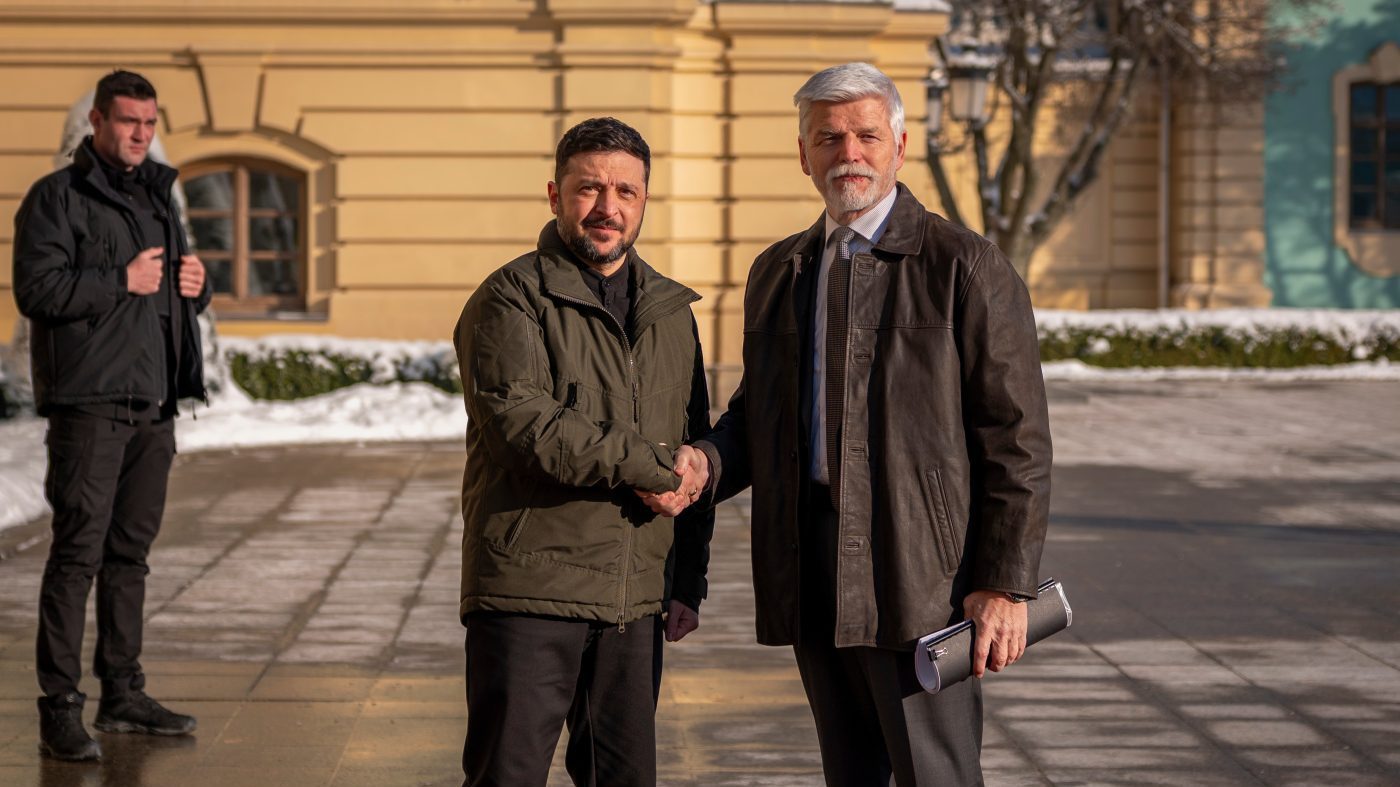
Zelensky, speaking alongside the envoys, said the talks focused on boosting Ukraine's air defenses ahead of winter, when Russian ballistic missile attacks on energy infrastructure are expected to intensify. He reiterated his call for more Patriot interceptors and other advanced systems from the U.S. and allies. “We are counting on support for air defense and the energy sector, as well as substantial volumes of American LNG and the ability to use them,” Zelensky said in translated remarks.
The Ukrainian leader acknowledged that significant sticking points remain, particularly over territorial demands Moscow has made in any peace deal. He insisted that such complex issues must be resolved directly between leaders. “I think such complex issues can only be resolved at the level of leaders,” Zelensky said. “But the main thing is that today we have the opportunity to discuss everything—security guarantees, Ukraine's future and the prosperity plan. We are talking not only about security guarantees, but also about economic guarantees for Ukraine—to recover and rebuild.”
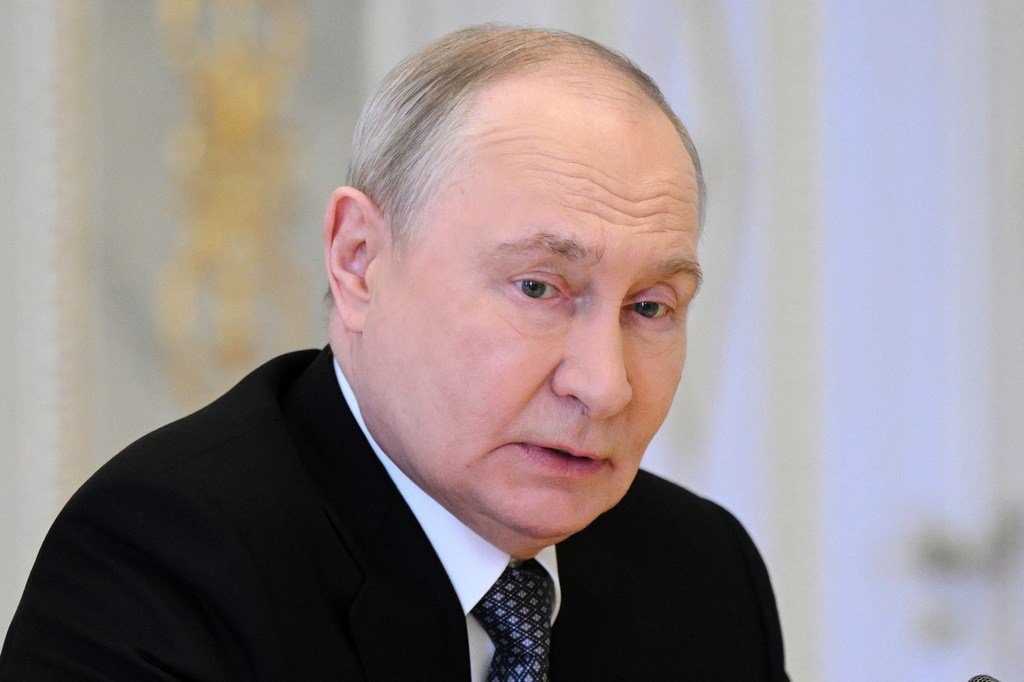
Putin has dismissed Zelensky as an illegitimate leader and conditioned any leader-level talks on Zelensky traveling to Moscow, while also calling for elections in Ukraine before negotiations. The renewed strikes underscore the fragility of the diplomatic window. The envoys' visit itself was a rare sign of direct engagement, but the overnight attacks raise fresh doubts about Moscow's commitment to any pause. Russia's recent behavior suggests that even when talks are underway, the Kremlin is willing to escalate militarily. The White House's careful handling of foreign crises stands in contrast to the stark reality on the ground in Ukraine, where civilians continue to bear the brunt of the war.