Secretary of State Marco Rubio on Wednesday clarified the Trump administration's evolving approach to combating drug trafficking in Latin American waters, emphasizing a new emphasis on cooperation with allied nations while reiterating that the US military retains the authority to destroy vessels if necessary.
“We are working with our partners, respecting their laws, and building joint operations,” Rubio told reporters during a visit to Quito, Ecuador. “But make no mistake, we will still blow up ships if need be.”
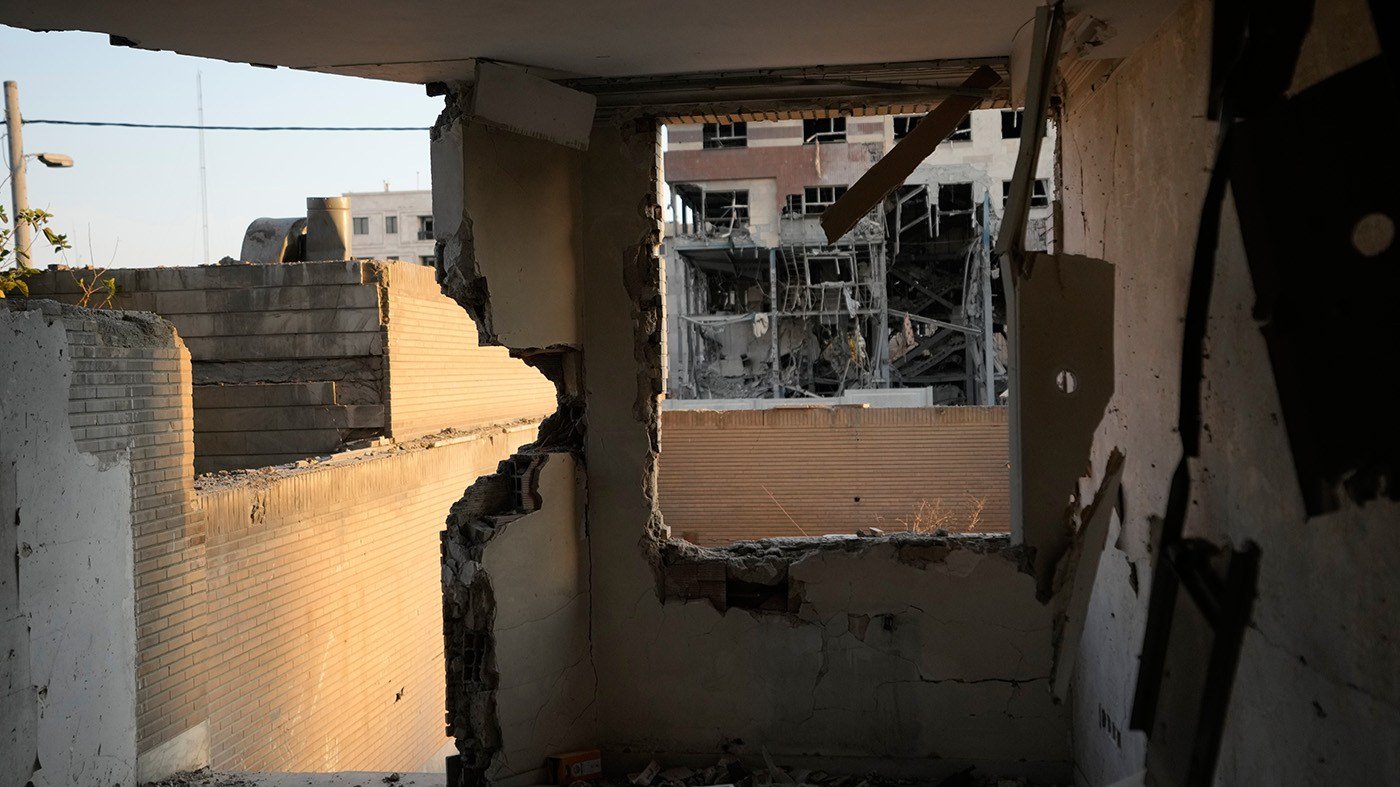
The remarks mark a notable shift from the unilateral strikes that Washington launched a year ago against suspected drug boats in international waters. Late Wednesday, US Southern Command announced its latest such strike in the Caribbean Sea, killing three people, bringing the total number of deaths in these operations to at least 230 across 69 strikes.
The administration is now focused on forging agreements with regional allies, including Colombia and Ecuador, to conduct joint interdictions that comply with local laws in territorial waters. Rubio hailed this as “an incredible advance” and said it reflects a “strike-by-strike” determination based on the threat and location of the vessel.
Recent operations have involved removing people from floating refueling stations allegedly supporting drug trafficking, transferring them to Ecuadorian authorities, and then destroying the vessels. This contrasts with earlier strikes that targeted boats directly, often without public evidence of their connection to narcotics.
Rubio's comments came during a three-nation South American tour aimed at strengthening security ties with conservative leaders aligned with President Donald Trump. In Ecuador, he praised President Daniel Noboa as the most “aggressive” partner in the region, noting that elite forces from both countries are working jointly on a daily basis to dismantle criminal organizations.
He also singled out Mexico as an “even graver challenge” due to cartel power, expressing hope for cooperative action but warning that “eventually that threat will have to be confronted one way or the other.”
Rubio announced the designation of Ecuador's Los Tiguerones as a foreign terrorist organization, making it a potential target for military action. Ecuador has been a key ally, assisting in recent interdictions, including one Tuesday linked to Los Choneros.
Ecuadorian Foreign Minister Roberto Kury called his country “a loyal ally, an active ally and a decisive ally” in building a safer hemisphere. Rubio said he would request $45 million from Congress to continue funding these efforts.
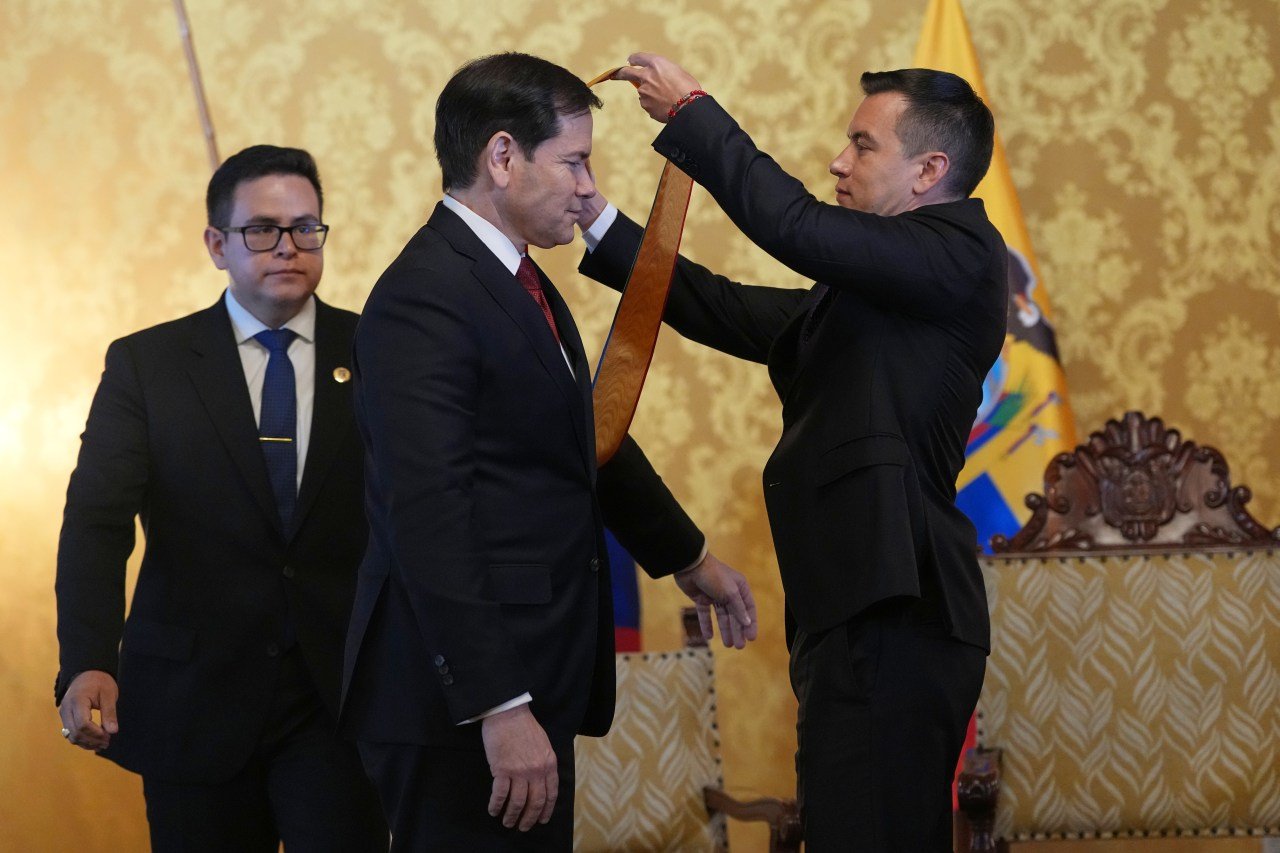
Ecuador has struggled with drug violence since 2021, as cartels partner with local gangs to control smuggling routes. Rubio was awarded Ecuador's National Order of Merit for his work in strengthening ties. He will next travel to Peru to meet President Keiko Fujimori, another ally on drug policy.