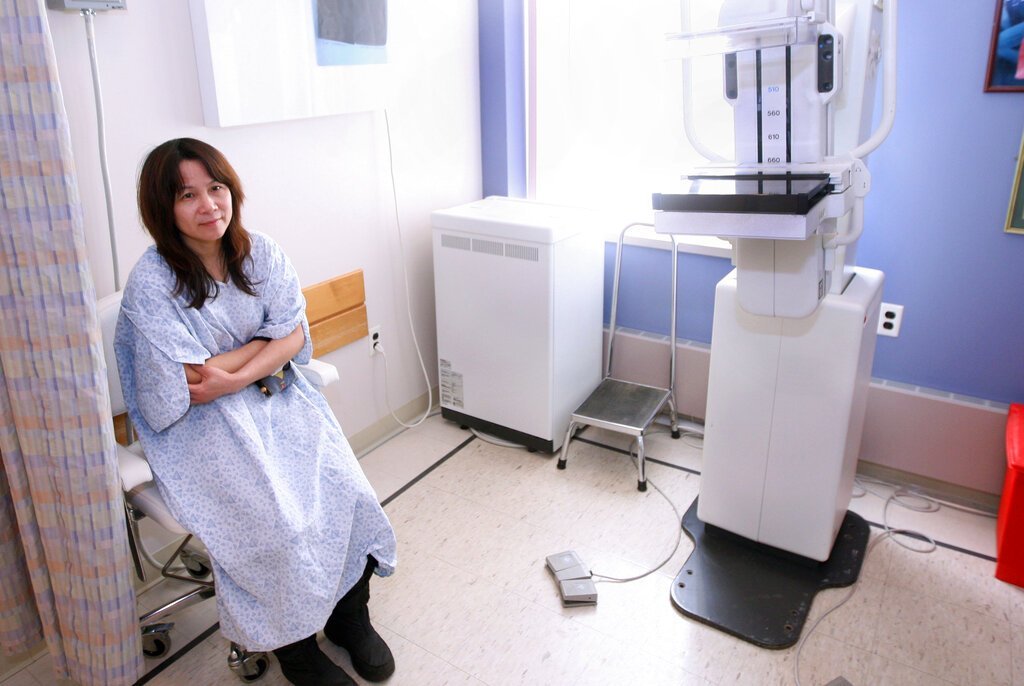
A routine mammogram can reveal more than breast cancer. For a 50-year-old woman, the scan might also show calcium deposits in the arteries of her breast tissue—a warning sign for future heart attack or stroke. Yet radiologists are not required to report this finding, leaving many women unaware of a risk that could prove deadlier than cancer.
This marker, known as breast arterial calcification (BAC), appears on millions of mammograms performed annually in the U.S., at no extra cost to detect. Heart disease kills more American women than all cancers combined, but the radiologist who spots BAC, the primary care doctor who could act on it, and the cardiologist who could treat it rarely coordinate. Currently, no country mandates BAC reporting, and no standard clinical pathways exist for follow-up, representing a missed opportunity for early cardiovascular prevention.

Fragmented Care and Inconsistent Standards
The current system leaves women's care dependent on geography and provider training rather than consistent evidence-based standards. Health systems like Northwell Health have begun reporting BAC across their hospitals since 2024, and Mount Sinai's radiology and cardiology departments are collaborating to define best practices. But without national standards, progress remains uneven.
Proven Impact and Cost Savings
Research shows that notifying clinicians and patients about coronary artery calcification—a related finding—leads to more preventive actions, such as increased statin prescriptions. The McKinsey Health Institute estimates that downstream care based on BAC risk would cost about $500 per woman and could prevent 17,000 to 60,000 cardiovascular events in the U.S. over seven years, saving billions in healthcare costs.
Lessons from Breast Density Reporting
Advocates point to the successful campaign for breast density notification as a model. Three years ago, the FDA updated federal mammography regulations to require informing women about breast density, a change driven by patient advocates, lawmakers, and organizations like Susan G. Komen. Now, similar stakeholders are rallying for BAC reporting.
Radiologists and their professional societies are urged to establish grading standards for BAC to ensure consistency. The FDA could require BAC reporting, but states need not wait. Maryland recently became the first state to mandate BAC reporting by adding language to its existing breast density notification law, a strategy other states could replicate.
Building Clinical Protocols
Health systems should develop protocols, as Mount Sinai and Northwell have, so that when BAC is found, radiologists can work with care teams to conduct comprehensive cardiovascular risk assessments. The Institute Advancing Women's Health and the Washington Research Foundation are funding research to accelerate implementation across diverse systems.
None of this requires new science. Women often face fragmented care that treats heart, brain, bone, metabolic, and reproductive health separately. Standardizing BAC reporting is a concrete step toward closing that gap. As Paula Schneider, CEO of the Institute Advancing Women's Health, and Dr. Erica Spatz of Yale School of Medicine argue, "We have all of the tools in place to make change happen—now we need the will to act."
For more on how health determinants shape policy debates, see this analysis of political framing. Meanwhile, the cardiovascular risks linked to recreational pot laws underscore the broader need for heart health vigilance.